What happened at CES and why it matters
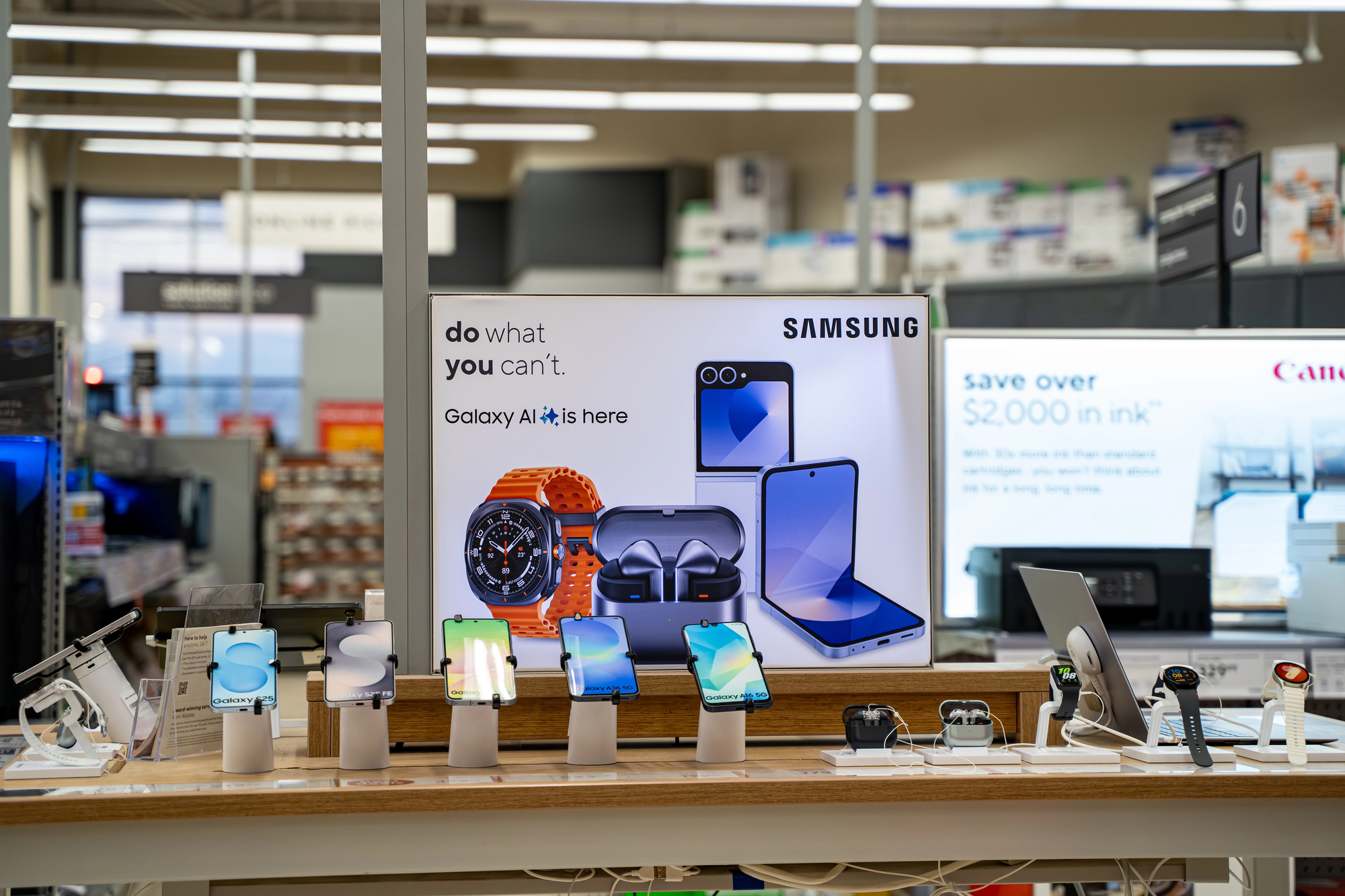
At CES 2026, Samsung said that due to a global shortage of memory chips, electronics prices may rise — and this applies not only to its own products. Bloomberg was first to report this, citing industry sources.
"Even Samsung, the world's largest memory chip maker, admits that keeping prices unchanged has become difficult"
— Bloomberg
Who is already reacting: stockpiles and market risks
Some manufacturers, including Xiaomi, Dell and Lenovo, have begun stockpiling memory. According to Counterpoint Research, prices for memory modules could increase by up to 50% in the first half of 2026 — a combination of limited supply and a sharp rise in demand, partly driven by the AI boom, is creating this price pressure.
"Prices for memory modules could rise by up to 50% in the first half of 2026"
— Counterpoint Research
Why this matters for you and for Ukraine
How consumers will feel it: more expensive smartphones, laptops and appliances mean upgrading gadgets will become costlier. For public and commercial procurement — particularly in IT and defense sectors — this adds pressure on budgets and delivery schedules.
Ukraine is actively modernizing its digital infrastructure and purchasing equipment for the armed forces and administrations. Rising memory prices could slow these processes or force a search for alternative solutions (negotiations on localization, long-term contracts, prioritization of critical procurements).
What comes next: scenarios and recommendations
Samsung predicts that the market in 2026 will be more active than last year, and interest in AI-driven features will stimulate upgrades. At the same time, a short-term memory shortage could force manufacturers to raise prices or stockpile supplies.
What to do now: consider delaying or prioritizing purchases, compare offers, plan budgets taking possible price increases into account, and monitor official tender and industry announcements.
Details of the products Samsung showcased
At CES Samsung also showed a fold-free OLED display that could be used in the Galaxy Fold 8, as well as a 200 MP camera that could potentially appear in the OnePlus 16 and Oppo Find N6 — signs that manufacturers continue to invest in innovation even in tougher market conditions.
Conclusion: Samsung's warning is not just an industry comment but an indicator of risk for device prices and modernization plans. Now it's up to manufacturers, buyers and governments: will these signals turn into concrete decisions to stabilize supply chains?