A corporal processes an intelligence report by hand — several hours per document. Mistral AI promises to reduce that to minutes. That was the logic the French Ministry of the Armed Forces followed when, in December 2025, it signed a three-year contract with the French developer of large language models.
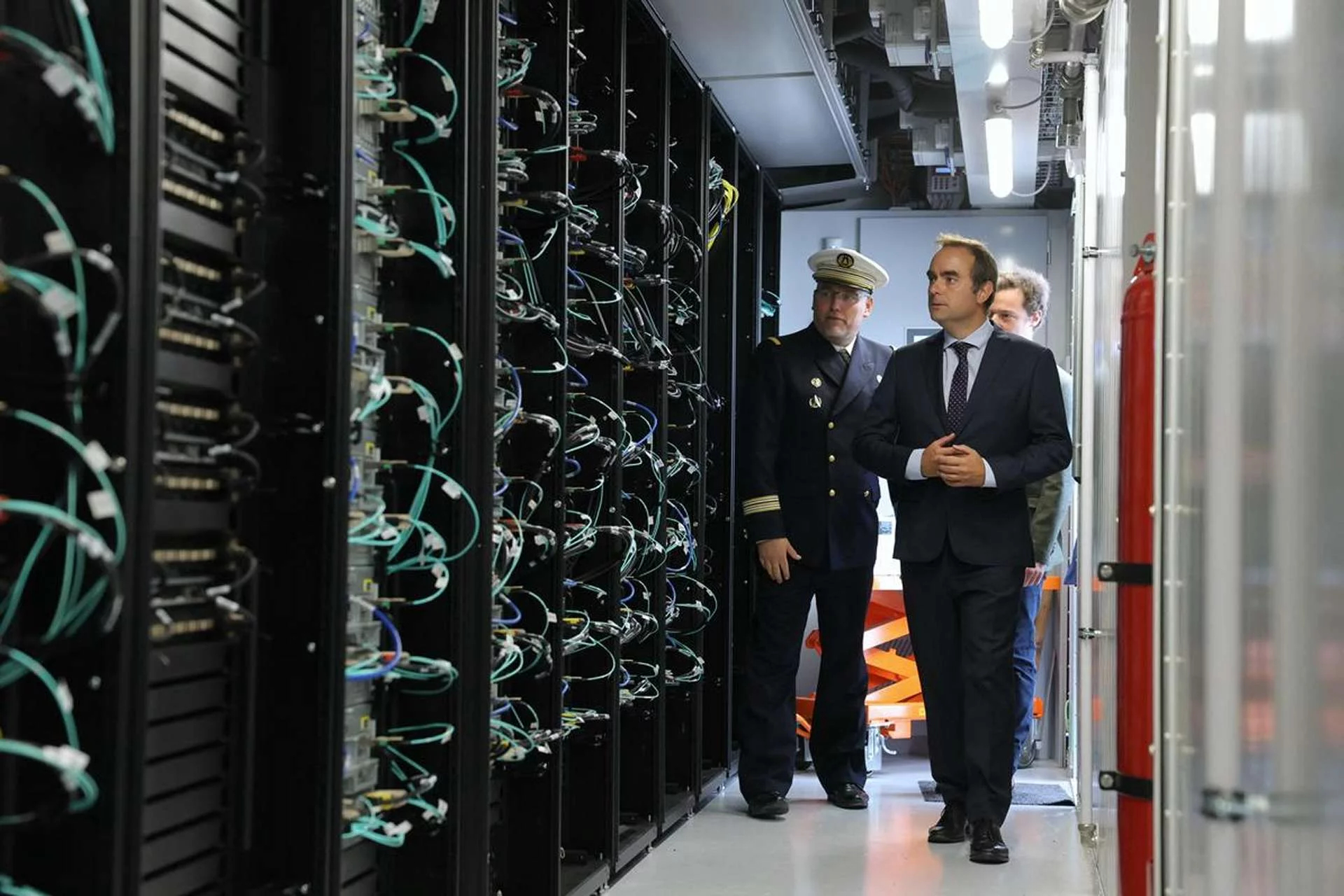
The deal is coordinated by a specially created body — Agence ministérielle pour l'intelligence artificielle de défense (AMIAD). It provides access to base language models, AI assistants and tools for automated document processing. Systems will be deployed locally or in private clouds with strict access controls — without sending sensitive data to external servers.
The contract covers more than just the Armed Forces. The deal involves the Commissariat for Atomic Energy and Alternative Energy Sources (CEA) and the aerospace research center ONERA. In other words, this is about integrating AI into the country's nuclear and aviation defense infrastructure.
The real conflict here is not about technology — it's about sovereignty. France is deliberately choosing a domestic player over American OpenAI or Google. Mistral AI, founded in Paris in 2023, positions itself as a European alternative — open models, headquarters in the EU, compliance with GDPR regulatory requirements. For the French government this is not just a technical choice but a political statement about digital sovereignty.
The main task is to speed up processing of large volumes of intelligence information. Analysis of satellite imagery, intercepted communications, open sources (OSINT) — all of this traditionally requires significant human resources and time. AI tools are meant to compress the "data → decision" cycle.
The contract was signed without a publicly announced mechanism for independent audit of results. That means the effectiveness of implementation will be assessed by AMIAD itself — the body coordinating the contract.
For Ukraine the context is direct: French weapons systems and intelligence support are already present on the theater of operations. If AI tools truly speed up the analytical cycle of French structures, this could potentially affect the speed at which intelligence is passed on to partners.
Mistral AI gains not only a contract — it receives a top-level endorsement of trust. This directly influences negotiations with other NATO armies that are now deciding the same question: buy American or build European.
The question that remains open: if the contract is not renewed after three years — will that mean that AI failed to meet expectations in real operational conditions, or that the French army will simply outgrow one contractor and move on to the next?