Apple changes release strategy — brief and to the point
According to MacRumors, in 2026 Apple will for the first time split the iPhone lineup launch into two stages: in the fall it will show the iPhone 18 Pro, 18 Pro Max and the first folding iPhone Fold, while the base models iPhone 18 and 18e will be released only in spring 2027. This is not just a date change: it reflects supply issues, product positioning and supply‑chain risk management — all factors that affect availability and price of devices in Ukraine.
"Apple plans to split releases into two stages: in the fall — the flagships and the first folding iPhone; in the spring — the base models"
— MacRumors (insider roundup)
iPhone 18 Pro design
Expected diagonals are about 6.3 and 6.9 inches. Visually the chassis will become "more seamless": Apple is reportedly removing the noticeable contrast between the frame and the back glass so the surface looks like a single block. For consumers this is about aesthetics and a premium feel, while for the market it concerns repairability and spare parts: changes to the chassis could complicate parts compatibility with previous models.
Front end: Dynamic Island, Face ID and the camera button
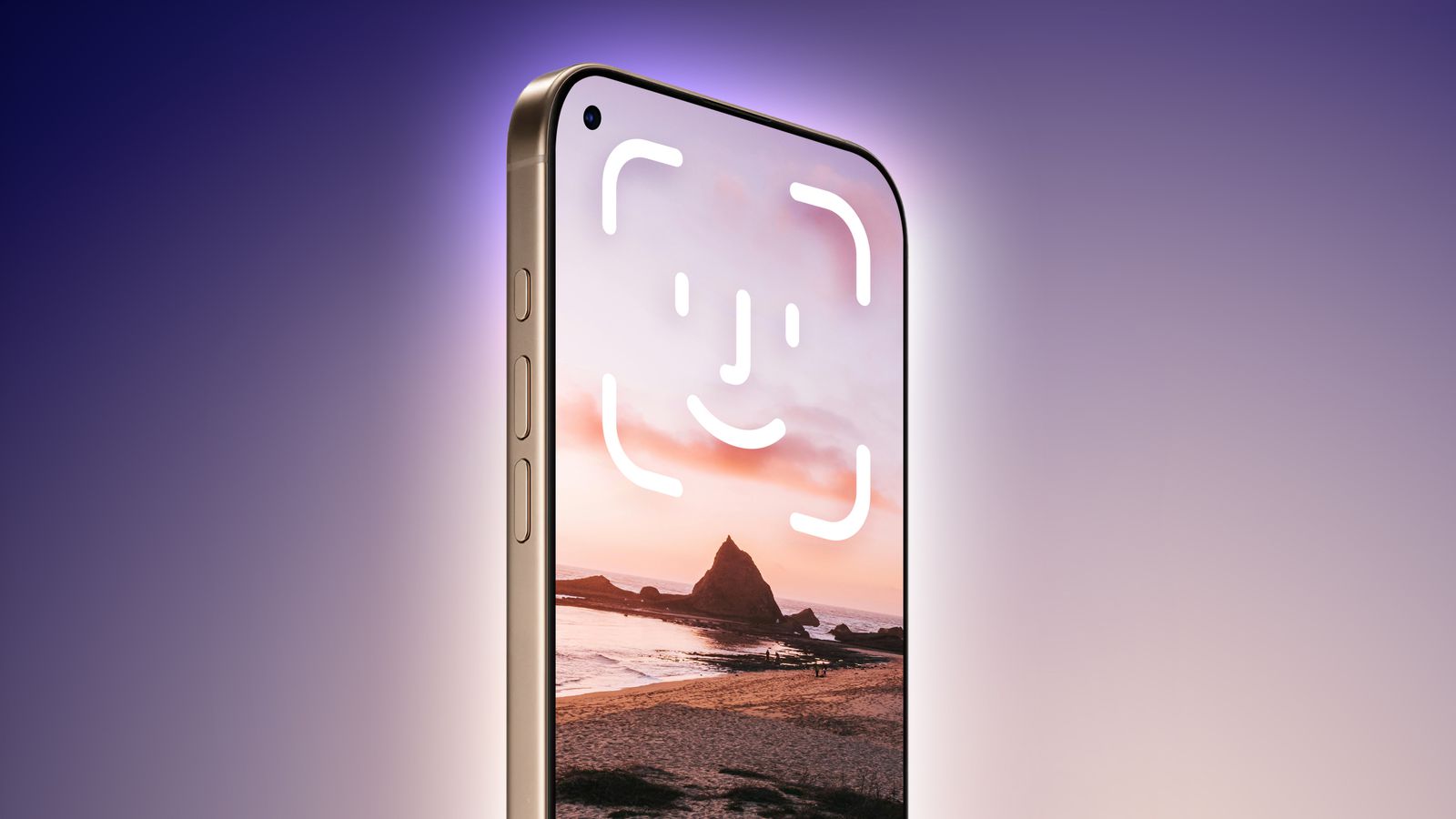
Apple is testing a reduced Dynamic Island or its complete replacement with a small corner cutout. The question of placing Face ID under the display remains open — insiders disagree. The camera control button will also change: in the new design it will respond only to presses, without support for touches and gestures. That's a signal of simplifying interface mechanics and focusing on more "traditional" physical control feedback.
Technical base: Pro models are expected to use an A20 chip manufactured on TSMC's 2‑nm process, which will bring gains in power efficiency and performance, and an Apple C2 modem with support for mmWave 5G.
Camera: Samsung sensor and variable aperture
The main camera module is said to receive a new‑type sensor from Samsung and a variable aperture. This will provide better control of light and depth of field — a real benefit for those shooting in challenging lighting conditions. At the same time, sources say the 200 MP sensor has not yet completed full testing, so expectations should be kept within a realistic scenario.
Satellite connectivity: from emergency text to full 5G?
The most ambitious change is Apple's attempt to provide full 5G via satellite, not just emergency messaging. If the technology can be launched by the end of 2026, it would appear first in Pro models. For Ukraine this has direct practical significance: improved satellite communication could increase the resilience of connectivity in areas with damaged infrastructure or during emergencies. However, technical, regulatory and operator hurdles remain — therefore launch is not guaranteed and will take time.
What this means for the Ukrainian market and users
- For buyers: possible delays in availability of base models and price stratification between Pro and standard versions.
- For retailers and carriers: the need to plan supply chains and assess demand for flagships and folding devices.
- For security and journalism: the potential development of satellite 5G could become an additional tool for maintaining communications in crisis moments, but will not replace existing solutions without broad integration with operators.
Conclusion
Splitting iPhone releases signals a pragmatic Apple approach to supply risks and a desire to bring the most profitable models to market earlier. Technical innovations — from a 2‑nm chip to a variable aperture and satellite 5G — could genuinely improve user experience. For Ukraine the key question is how quickly and at what price these changes will become available locally, and whether they will increase connection reliability in critical situations. It's worth watching updates from Apple, reports from TSMC and further confirmations from industry sources.