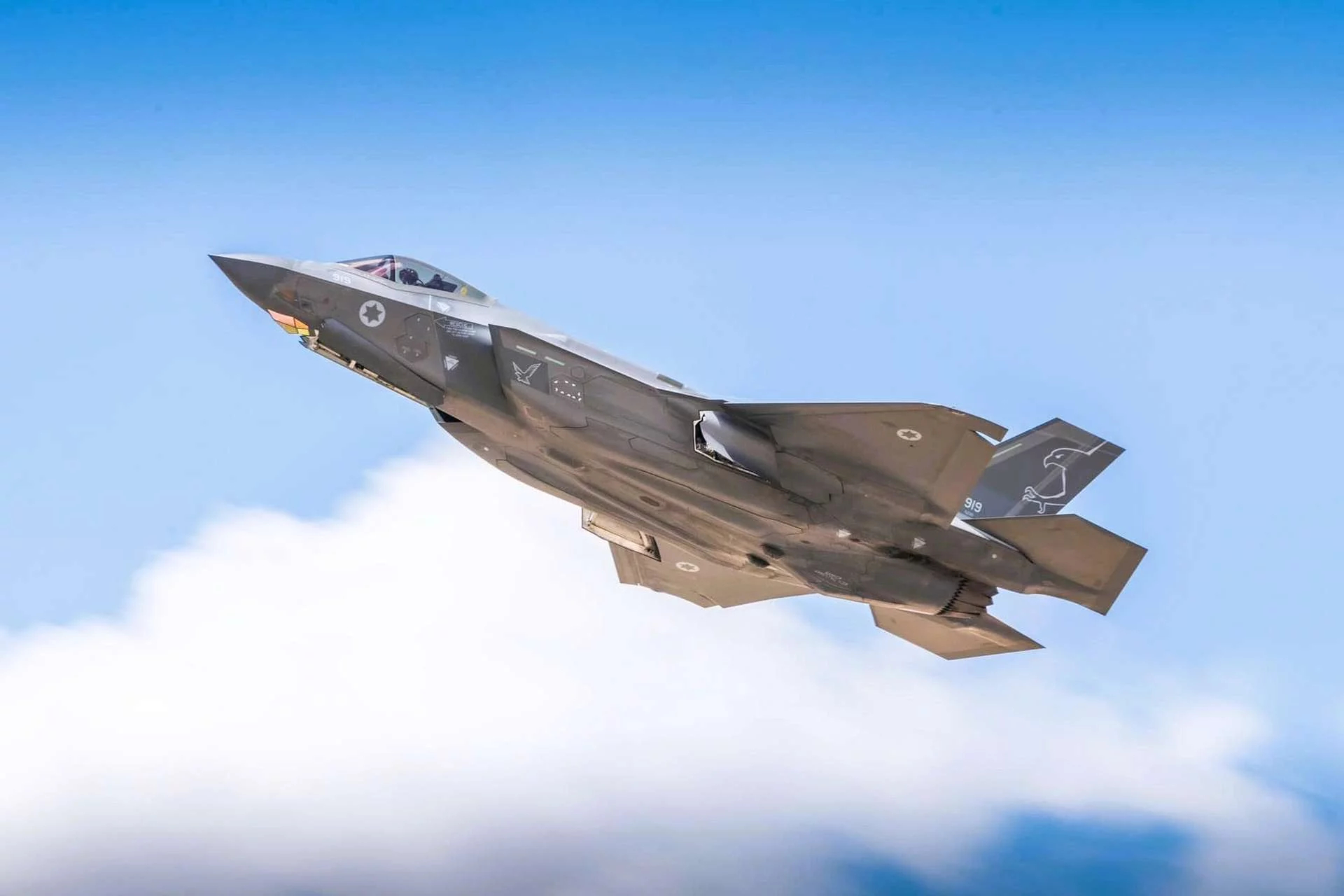
Modernization in Detail
Israeli F-35I Adir aircraft have received internal fuel tanks that increase flight range without degrading stealth, The Times of Israel reports. In addition, to boost strike potential, four additional missiles were integrated onto underwing hardpoints — the aircraft can combine loadouts between internal bays and external pylons depending on the mission.
"Israeli F-35I Adir fighters have received new fuel tanks that allow the aircraft to fly farther without losing stealth."
— The Times of Israel
Why This Matters
Technically, the shift from conventional external drop tanks to internal fuel reservoirs reduces the radar signature during long sorties and decreases reliance on air-to-air refueling. Operationally, this means greater autonomy, lower risk to tanker aircraft, and a wider range of targets reachable for strikes without added logistical vulnerabilities.
Such a set of changes is not just a technical upgrade but an element of doctrinal evolution: moving from relying on networked and tactical solutions toward the ability to conduct long-range strikes with lower resource expenditure.
Context: Supply-Chain Resilience and Technological Autonomy
At the same time Israel and the US are working on local infrastructure and platforms — in 2025 they developed an FPV drone independent of Chinese components, and in January 2026 the Israeli Air Force received three new F-35Is. This signals a desire to reduce external supply risks and accelerate fleet modernization.
What This Means for Ukraine
Even if we do not currently have F-35s, the lessons are clear: first, increasing platform autonomy changes air defense and intelligence requirements — targets must be detected and engaged at greater depth. Second, reduced dependence on aerial refueling lowers the vulnerability of operational chains, so it is important for partners to support and develop logistical resilience capabilities.
Analysts note that such modernizations enhance strategic flexibility and therefore raise the cost of error for a potential aggressor. For Ukraine, this is another argument in favor of investing in technical interoperability, countermeasures against low-observable targets, and developing its own long-range response capabilities.
Conclusion
This modernization is not about showmanship but about effectiveness: more fuel inside, less trace outside, broader tactical options. For us, not only the technologies themselves matter, but the lessons they bring about logistics, countermeasures, and international cooperation. Now the move is on partners: declarations must turn into concrete projects that increase our resilience and ability to act proactively.