Why this matters
LG announced on its official website the debut of the humanoid Cloid at CES 2026 in Las Vegas. The focus is on two hands with five independently controlled fingers, a chipset in the "head," and a set of sensors for natural interaction with the user. At first glance — another demonstrative prototype — but the trend has broader implications: from transforming household services to affecting logistics and the labor market.
What was shown
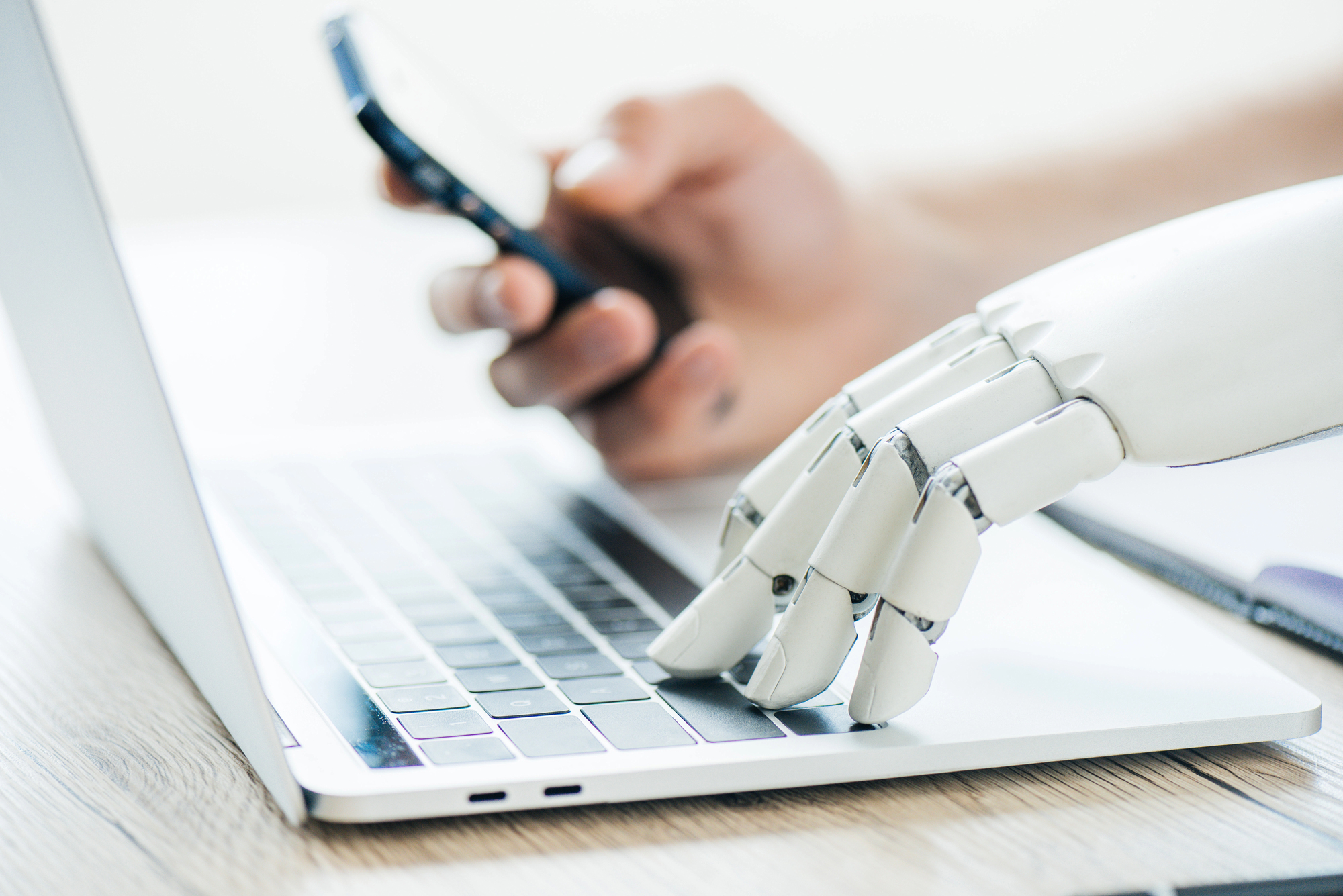
LG published several photos of Cloid's hands; the full appearance of the device has not yet been revealed. In the robot's "head" are a display, speaker, camera and a chipset responsible for data processing and behavior. The underlying technology is called Affectionate Intelligence — according to the company, it allows the robot's reactions to be adapted through repeated contacts with a person.
"Cloid is designed for safe and natural interaction with people, to assist with everyday tasks and to learn the user's habits."
— LG Electronics, official release
Technologies and capabilities
Key elements of Cloid: object manipulation thanks to five fingers on each hand, local data processing in the chipset, and a set of sensors for spatial awareness. This brings the platform closer to real household scenarios than simple robot vacuums or quadrupeds.
What this means for Ukraine
Three practical implications that Ukrainian technological and government institutions should pay attention to:
1) Labor market and services. Home assistants could change demand for care and household services — an opportunity for IT startups and service providers, but also a challenge in workforce training.
2) Logistics and manufacturing. Platforms that master manipulation of small items will quickly adapt for warehouses and factories. Parallels with recent solutions, such as Neo robots priced at $20,000 or Chinese robotic dogs, show that the shift from demonstrations to industrial use is happening fast.
3) Security and regulation. Robots that collect data and interact in private spaces raise cybersecurity and privacy questions. Ukraine should update certification standards to protect users while not slowing the adoption of innovations.
Market context
The home and service robotics segment is actively attracting growing investment. Comparison with Neo and Chinese developments underscores that manufacturers are testing different business models — from mass-market, lower-cost devices to premium platforms. For Ukraine this means the opportunity both to import technologies and to develop its own niches — for example, software to adapt robots to local conditions.
Conclusion
The Cloid demonstration at CES is another marker that robotics is moving out of laboratories into everyday life. The question for us: can we turn these global trends into a national opportunity — through investment in education, certification and industry support? No pomp: the ball is now in the court of those who shape the rules and the market.