What was announced
The Ministry of Digital Transformation is not considering implementing electronic summons in the Diia app or in other ministry products. Acting Minister Oleksandr Bornyakov said this in an interview with Speka — the decision was explained by the risk of undermining user trust.
"If this tool is turned into a mechanism of coercion, it will undermine the trust of millions of users"
— Oleksandr Bornyakov, acting Minister of Digital Transformation (interview with Speka)
Why it matters
Trust is the currency of digital services. Diia operates as a service that simplifies citizens' lives: from registering a business to getting married. Turning the platform into an instrument of coercion could reduce its acceptability and push users away from legal channels of interaction with the state. This, in turn, weakens the responsiveness and quality of services the state provides during the war.
Therefore the Ministry of Digital Transformation chose a priority: protecting users' trust instead of a quick but potentially repressive technical solution.
What has already changed in records
Alongside the rejection of electronic summons, the ministry continues to digitize procedures useful for the military and defense:
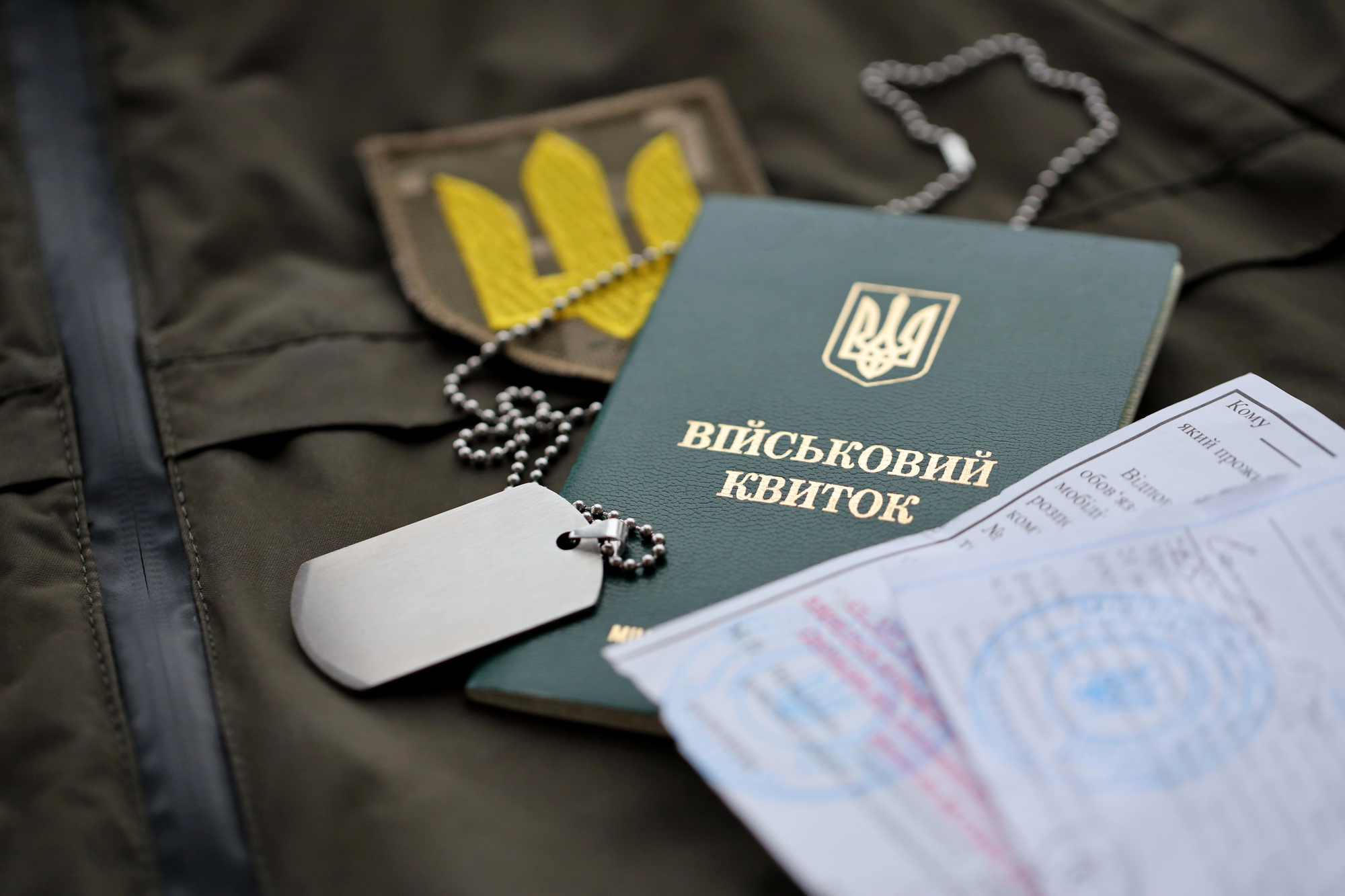
- December 10 the government updated the procedure for issuing military registration documents: documents are now created in electronic format.
- Since January 6 the Reserve+ service can send notifications about a military enlistment office sending a paper summons.
In addition, the ministry is investing in simplifying procedures for obtaining statuses for military personnel and in developing defense innovations through the Brave1 cluster, to provide the front with technological solutions without infringing on privacy and citizens' rights.
What this means going forward
The ministry's decision is an example of balancing state responsiveness and people's rights. It reduces the risk of delegitimizing digital services and at the same time emphasizes that digitization during wartime should work to protect, not to control.
Now the key task is to enshrine this approach in procedures and legislation: to provide technological tools for defense while remaining transparent about notification mechanisms and guaranteeing privacy. Whether the state can maintain speed without losing citizens' trust is a question whose answer will determine the success of further digitization.