Test and key findings
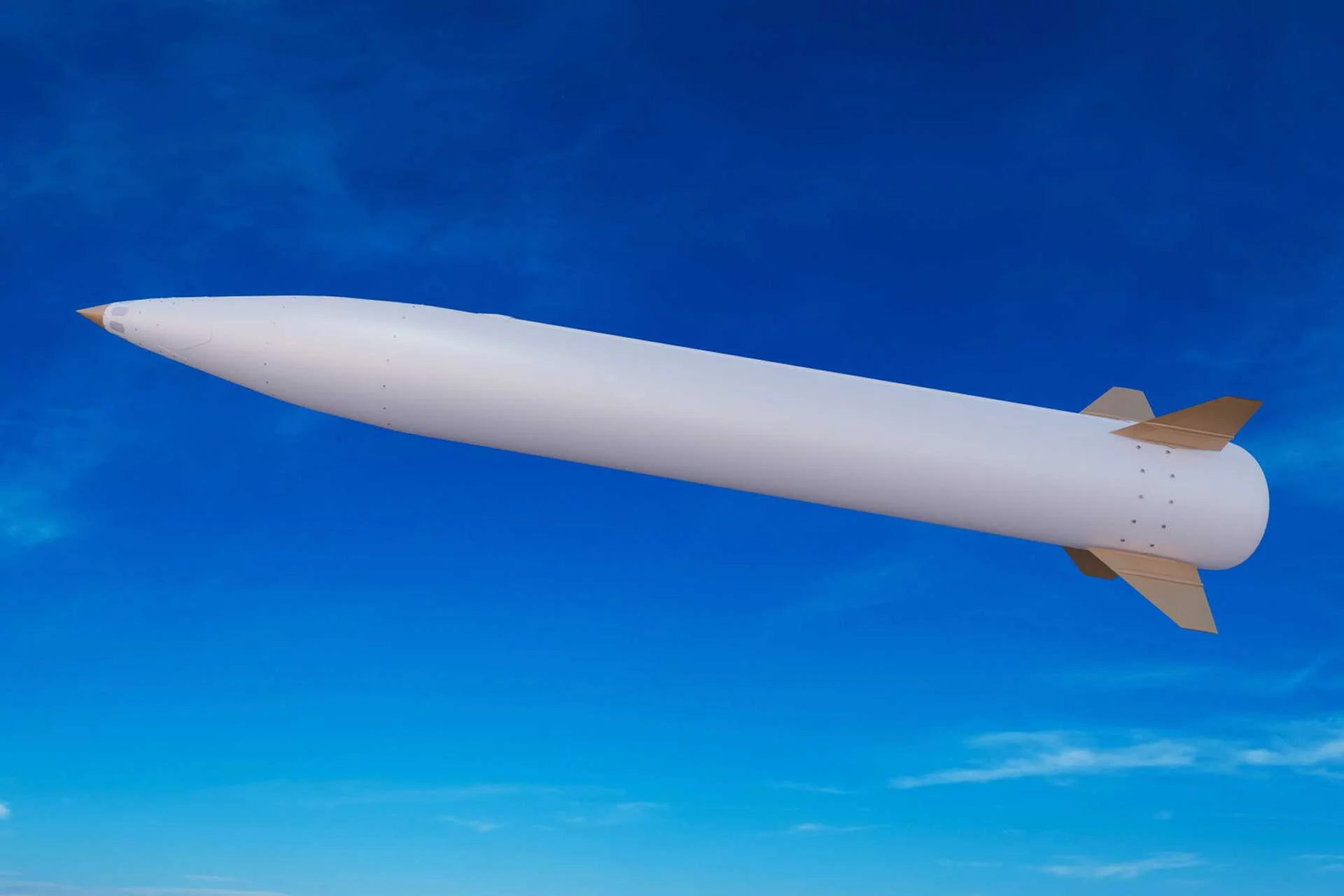
Lockheed Martin reports the first flight tests of the Precision Strike Missile Increment 2 (PrSM Inc. 2), which was launched from an M142 HIMARS launcher. During the test the missile traveled approximately 350 km and validated systems capable of tracking moving ground and sea targets.
The new variant received a multimode seeker. In one phase of flight the missile uses inertial navigation and GPS to reach the target area, and in the terminal phase it switches to sensor-based guidance — a passive radio-frequency sensor and an infrared system. This enables strikes not only on fixed coordinates but also on moving objects, including ships and mobile equipment.
"The test confirmed PrSM Inc. 2's ability to combine range and guidance on moving targets — an important step in the development of precision strike capabilities"
— Lockheed Martin, press office
Compatibility and next steps
The missile is compatible with HIMARS and M270A2 MLRS launchers, meaning it can be employed on existing platforms already in service or held by partners. The program continues its testing phases; new flight tests are planned for later in 2026.
Why this matters for Ukraine
This testing is important not only technically: the emergence of PrSM with the ability to engage maritime targets expands the range of missions for mobile missile subsystems and alters the balance of strike capabilities in the region. For Ukraine this implies two practical takeaways.
First, potential provision of, or cooperation in supplying, such systems would strengthen deterrence capabilities in the maritime zone — especially in the Black and Azov Seas. Second, the system's effectiveness will depend not only on the missile itself, but also on integration with reconnaissance, counter-battery and maritime sensors, logistics, and command.
Experts note that technological progress is only the first step; turning it into an operational advantage requires political decisions, practical contracts, and personnel training.
Conclusion
PrSM Inc. 2 with a range of approximately 350 km and the ability to guide onto moving maritime targets is a technological bid to expand the combat potential of HIMARS and compatible platforms. For Ukraine it is important to monitor not only the technical results of tests, but also the diplomatic and supply dynamics of partners: from declarations to contract signings and practical integration into the defense architecture.