Briefly
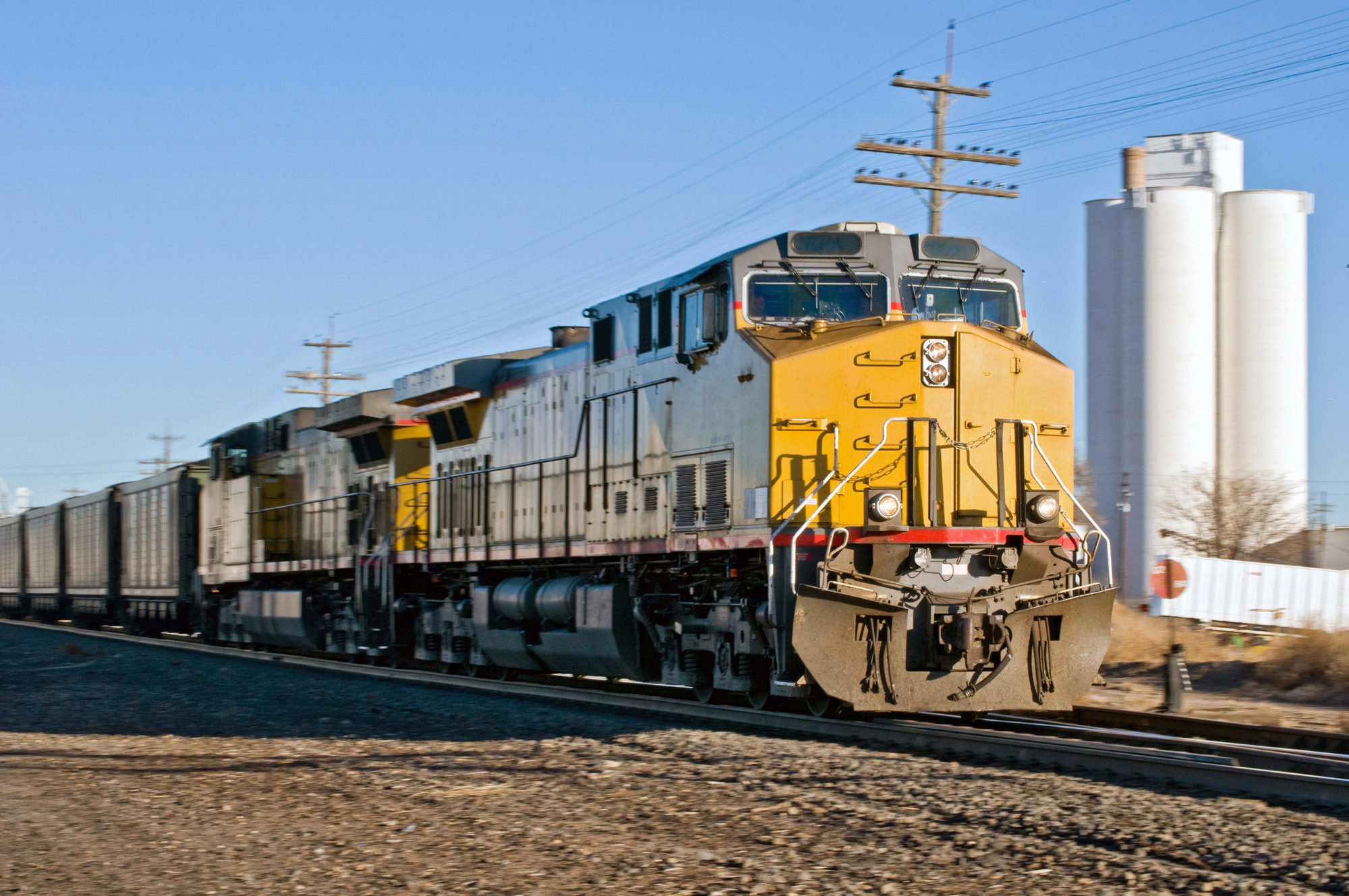
According to Army Recognition, Russia has begun fitting armored trains with kits of cameras and artificial intelligence algorithms that will detect drones and warn crews of threats. This is a direct response to a series of strikes by Ukrainian FPV drones and strike UAVs against steel echelons.
How it works
The system consists of several external cameras, a computing module running computer vision algorithms, and a commander’s interface. It is already being installed on trains named "Baikal", "Amur", "Volga" and "Yenisei". The idea is simple: automatic detection reduces crew reaction time and improves surveillance along routes.
Limitations and risks
Armored trains travel fixed routes and depend on infrastructure — this makes them vulnerable regardless of sensors. Russian developers themselves acknowledge frequent false alarms — birds, wires or debris are mistaken for UAVs. In fog or at night effectiveness drops even further. In addition, the final decision to open fire remains with the crew, and there is very little time to make that decision.
"The AI system is designed to detect drones faster, but it does not remove the main — the vulnerabilities of the armored trains themselves."
— Army Recognition
Context for Ukraine
FPV drones continue to be an effective tool for precision strikes on recurring routes. At the same time, partner developments — the joint US and Israeli solutions mentioned in the source and initiatives by Frontline and Quantum-Systems in Germany — show that the technological race runs both ways: on one side countermeasures, on the other improved strike platforms.
What this means next
Installing AI on armored trains is a tactical adaptation, not a strategic solution. It may complicate attackers' operations, but it does not eliminate the core vulnerabilities: fixed routes, limited reaction time and the human factor. For Ukraine, it is important not only to monitor such moves by the adversary, but also to accelerate technical support from partners and improve its own reconnaissance and countermeasures.
Forecast: Moscow will spend on a large-scale modernization of sensors, but these investments are unlikely to make armored trains fully protected. The ball is with our partners — whether technical solutions will translate into an operational advantage for Ukraine and how quickly we can adapt countermeasures.