What happened
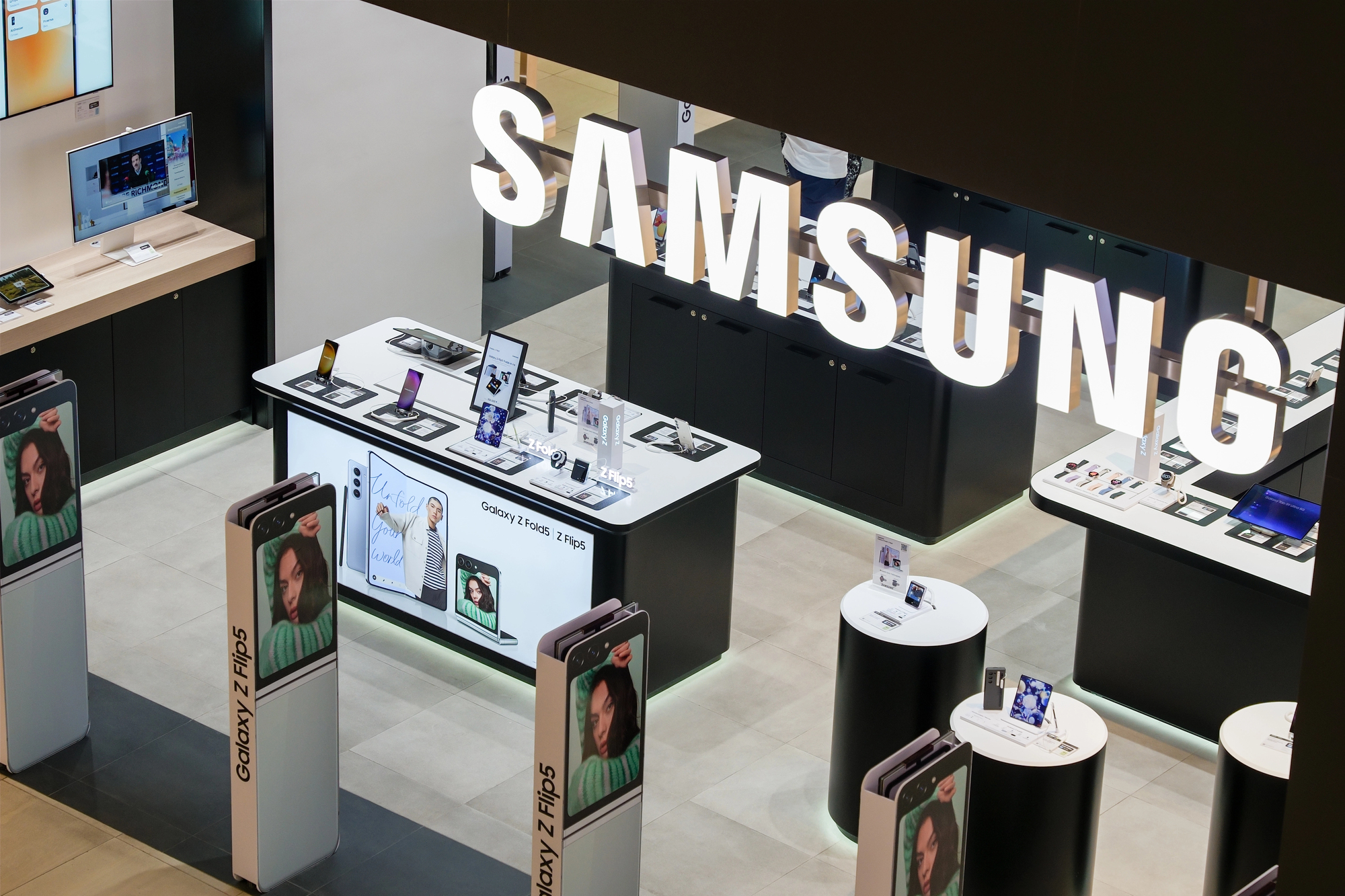
According to The Elec, Samsung warned distributors of wholesale price increases for consumer RAM and SSDs — up to 80% in some segments. This is not just a price spike: behind it is a reallocation of manufacturing capacity and a shift in demand toward server and AI solutions.
“The Elec reports that Samsung warned distributors of wholesale price increases for consumer RAM and SSDs of up to 80%”
— The Elec
Why prices are rising
Briefly: a combination of component shortages and Samsung’s strategic choice — more resources and volumes allocated to expensive server modules (in particular HBM4 for AI accelerators). At the same time, large buyers, such as Nvidia, are willing to pay a premium for server memory, and some brands, like Crucial, have shifted away from the mass consumer market toward data centers. As a result — supply for end users is shrinking and prices are rising.
Numbers and real examples
Over the past two months, sharp changes have already been noticeable on the market: DDR5 32GB 5600MHz modules on Amazon have become 2–3 times more expensive; the portable SSD Samsung T7 1 TB in some listings rose from $99 to ~$199; in South Korea DDR5 16GB‑5600 modules are being sold for over 400,000 won (≈ $300). The gap between consumer and enterprise memory already reaches about 40%.
What this means for Ukraine
For Ukrainian users and businesses the consequences will be practical and fast: more expensive laptops and SSDs, higher costs for upgrading workstations for developers and gamers, and increased prices in public and private tenders for IT equipment. For the defense‑technical sector — a risk of rising procurement costs for electronics and storage media.
However, this is also an opportunity: companies and public purchasers should review logistics and inventory policies — bulk orders or agreements with enterprise suppliers can yield savings in price and availability.
What to do now
Practical steps: 1) review procurement plans and, if possible, accelerate critical purchases; 2) consider alternative brands and the refurbished market; 3) seek long‑term contracts with server memory suppliers; 4) monitor Samsung’s announcements — notably a possible price increase for the new Galaxy S26 series after February 25, which could signal further price waves.
Short forecast
Manufacturers’ shift toward servers and AI creates a structural change in supply: in the short term the consumer segment will feel shortages and price pressure. For Ukraine this means: choice of suppliers and timing of purchases now have tactical significance. Whether the market can react quickly and find new supply chains is the key question for the coming months.