What happened
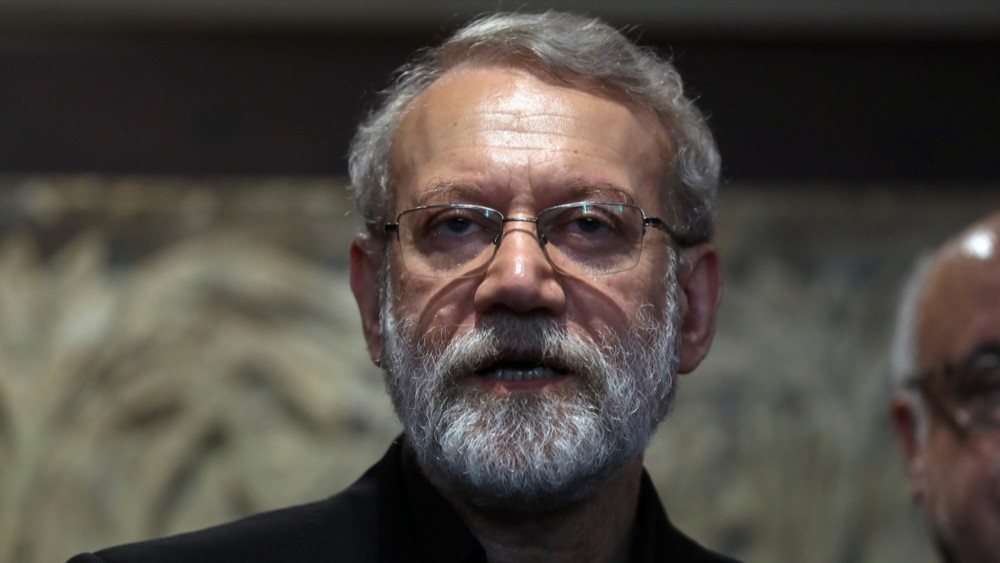
The Israel Defense Forces (IDF) announced the "elimination" of Ali Larijani, who is described as the secretary of Iran's Supreme National Security Council. According to the IDF, the strike on the official was carried out by the Israeli Air Force near Tehran based on its own intelligence. International agencies, including Reuters, also reported the incident.
Who Larijani is and why this matters
Israel calls Larijani the de facto coordinator of the Islamic Republic's foreign and military policy. According to several Western outlets, including The Wall Street Journal, he played a central role in suppressing mass protests in Iran and was a close associate of the Supreme Leader. The U.S. had previously imposed sanctions on him. That position makes him an important element of Iran's governance system and of planning operations abroad.
"For years Larijani was considered one of the most experienced and highest-ranking officials in the leadership of the Iranian regime... After the elimination of Khamenei, Larijani strengthened his status as the de facto leader"
— statement of the Israel Defense Forces (abridged)
The $10 million fact and reactions
Israeli Foreign Minister Gideon Saar, commenting, recalled that, in his words, the U.S. had previously offered a reward of $10 mln for Larijani's head, and added: "We did it for free." Reuters and other agencies cited these words as an official Israeli statement. At the time of publication, Tehran's official response was limited: state outlets published recordings of the official, and Reuters quoted an unnamed Iranian official saying that offers of de-escalation reportedly made via intermediaries were rejected.
Meanwhile — strikes against other figures
The IDF also said that on March 16 it eliminated Gholamreza Soleimani, commander of the paramilitary Basij organization, which is part of the Islamic Revolutionary Guard Corps and was involved in suppressing protests. Such strikes are being directed at a network that, according to the Israeli side, coordinates operations against Israel in the region.
Why this news matters for Ukraine
There are several practical consequences that directly affect Ukrainian interests. First, the risk of escalation increases, which can impact global energy markets: blockade of the Strait of Hormuz or heightened tensions in the Persian Gulf have previously affected oil and liquefied gas prices, which directly influence fuel costs in Ukraine. Second, rising tensions prompt greater military activity and restructuring of logistical corridors, which can affect the supply of weapons and materials in the region.
Risk assessment and possible scenarios
Scenarios could range from localized responses through proxy groups to broader strikes if Tehran decides to respond directly. A key factor will be the reaction of the U.S. and other Israeli partners — both diplomatic and military. Experts warn that in the short term the main risks for Europe and Ukraine remain volatility in energy prices and an increase in incidents along maritime routes.
"This is another blow to the regime's ability to coordinate hostile actions against Israel"
— Israel Defense Forces (comment on the operation)
Conclusion
Israel's statements have put the region on heightened alert. For Ukraine it is important to follow not only the operation itself but the dynamics of responses — at sea, in energy markets and in diplomatic channels. Whether this will grow into a wider escalation depends on decisions by several key players: Tehran, Washington, and European partners. We should prepare for market fluctuations and strengthen monitoring of supplies — practical steps that protect the country's security and economy.





