This is more than a weapon — it's a technological advantage. As danger rises, every new system changes the rules of the game: Japan has officially launched a program to create a domestic air defense system capable of repelling both ballistic and hypersonic strikes — a response to challenges from China and to a new wave of high‑speed threats.
Why this matters
This project is not just an upgrade. Western analysts call the initiative a "breakthrough step" in regional defense: a mobile system with protection against hypersonic maneuvering targets reduces the chance of rapid surprise strikes and increases the resilience of islands and mountain positions. The world is talking: it's a signal that the balance of power is beginning to shift.
How the new system works
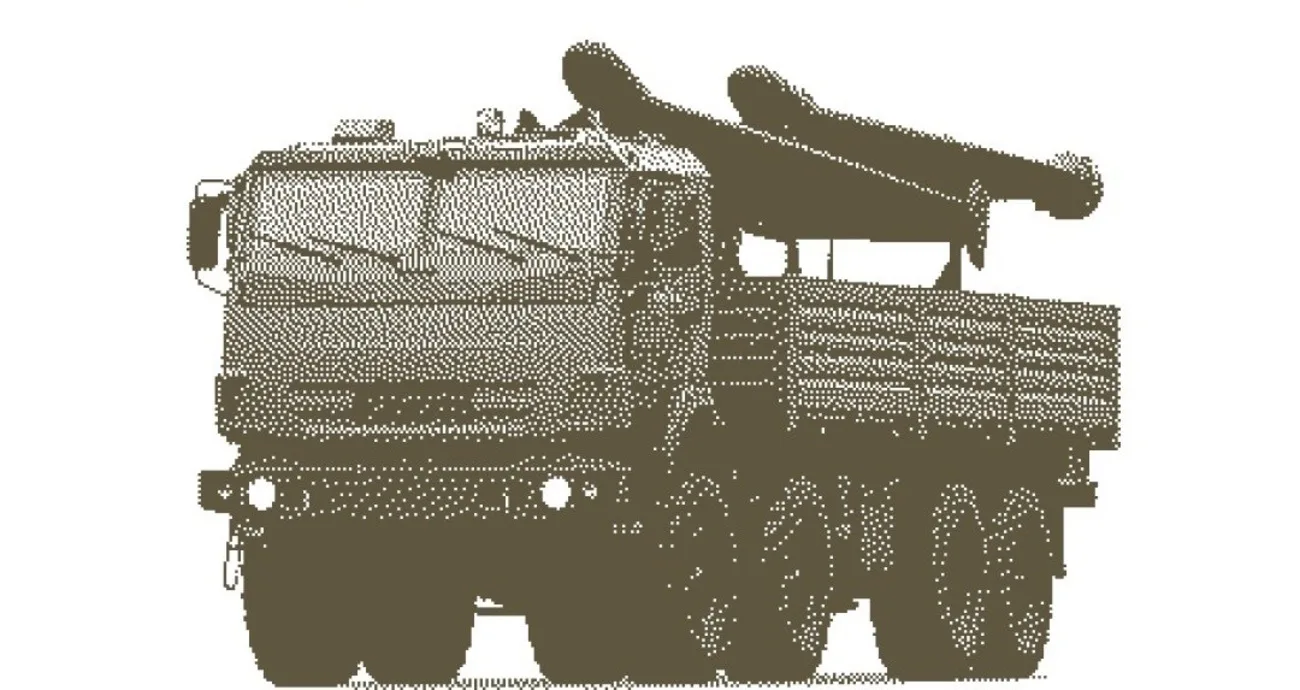
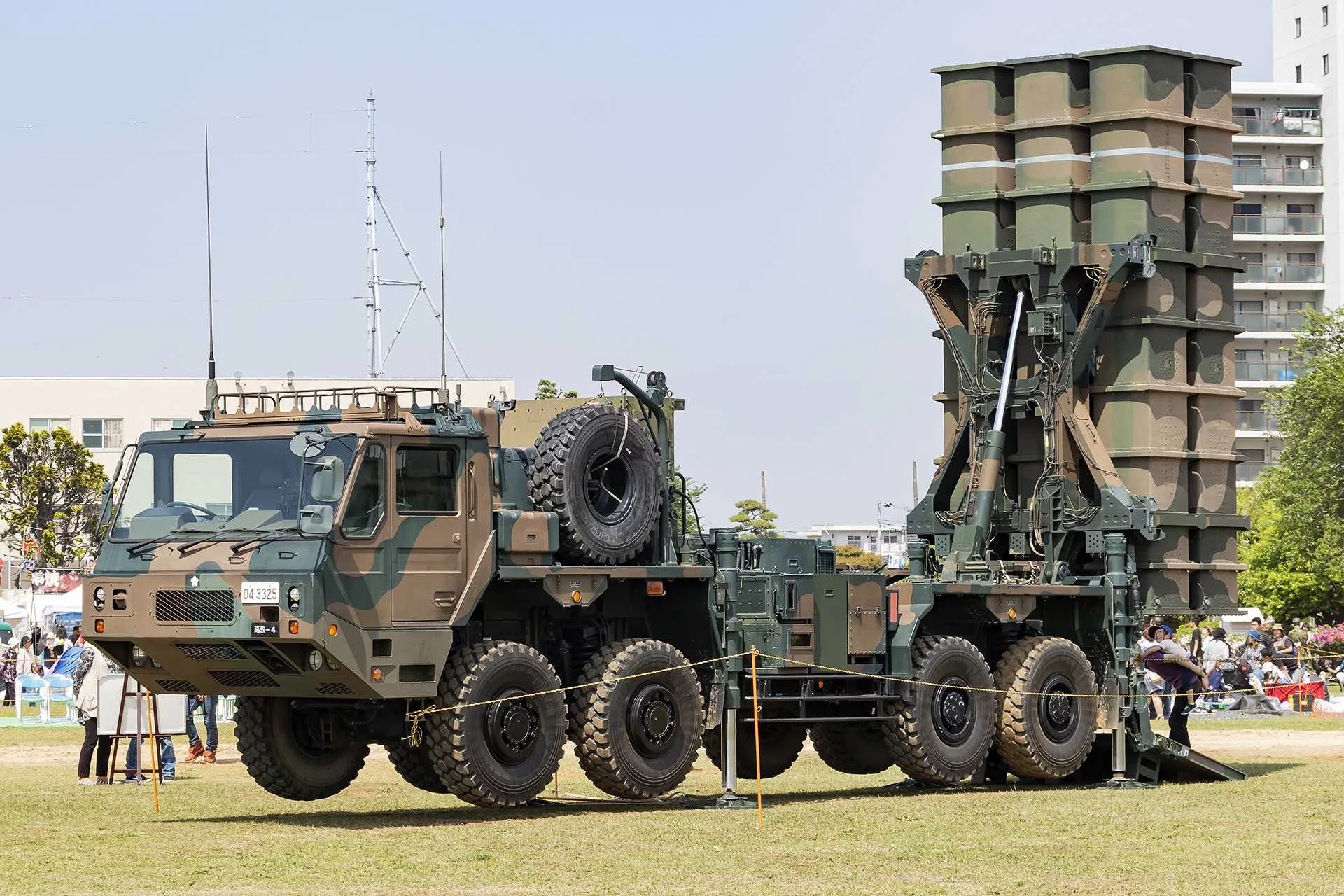
The new system will be based on the modernized Type-03 Chu-SAM platform, but with a radically updated interceptor missile, a new 360° radar and increased resistance to electronic warfare (EW) measures. The mobile base — a Mitsubishi Kato 8×8 chassis — enables rapid relocation: on islands, in mountains or near key infrastructure. Mitsubishi Heavy Industries is leading the development, and the first test samples are expected in 2027.
"This is a signal to the region: the era of hypersonic threats will require new technologies and rapid decisions. Such a system increases collective resilience and deters potential aggressors."
– Western analyst
Hidden risks and reactions
While Japan strengthens its defenses, experts point to recent tests in the region: China has showcased new long‑range unmanned platforms and is integrating AI into military systems. That is why a 360° radar and protection against electronic warfare are becoming key elements — without them modern air defense loses effectiveness.
What comes next
The arrival of such a system by 2027 could be the start of a wave of modernizations across the region. For us, it's another reminder: technology and allies are changing the balance of power. Our partners demand vigilance and investment to counter new types of threats — and every step in this direction makes our common home safer.
This project is not only Japan's response to the challenges, it is part of a broader picture: the world is shocked by the speed of evolution in missile technologies, yet everyone is simultaneously discussing new deterrence options. The situation is taking on historical significance — from now on the security of entire regions will depend on mobility and technologies that counter adversary measures.