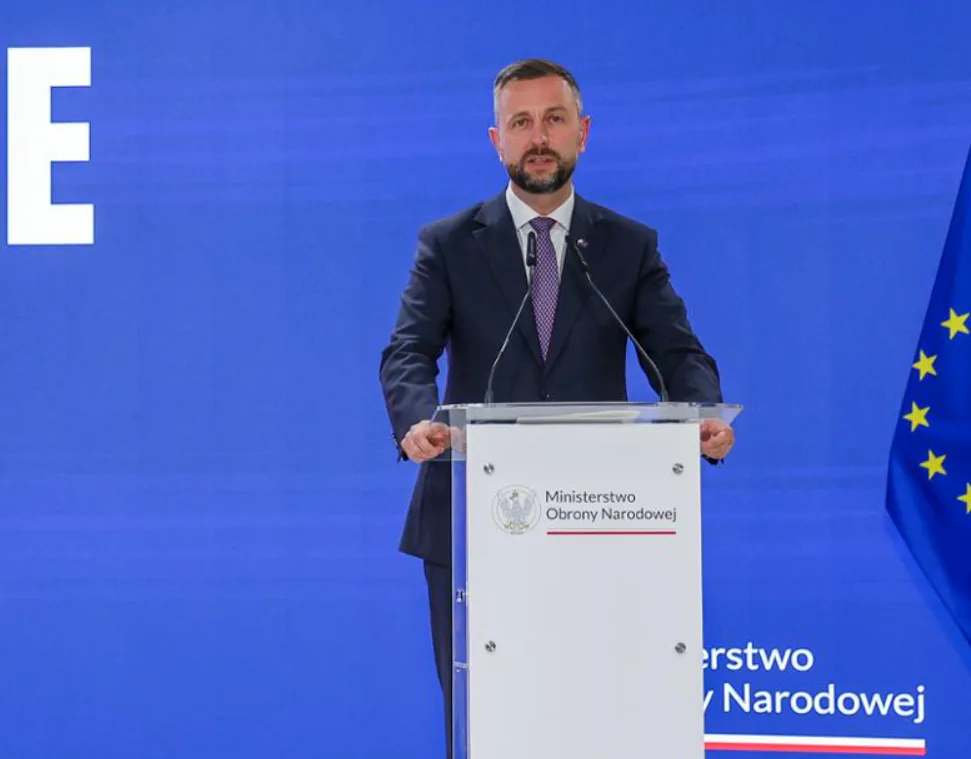
On July 7–9, 2026, the Polish Ministry of Defense confirmed the transfer to Ukraine of five PAC-3 MSE missiles — the most expensive ballistic target interceptors in the Patriot system. According to Defense Minister Władysław Kosiniak-Kamysz, the decision was made not unanimously in Warsaw, but at the request of NATO Secretary General Mark Rutte and the commander of U.S. forces in Europe (SACEUR), following consultations among Patriot-operating countries.
Where these five missiles came from — and what Poland received in return
According to Notes From Poland, Deputy Defense Minister Cezary Tomczyk announced that Poland received guarantees from NATO and the United States: in the event of a threat, the country would receive ten times as many missiles and systems within 24 hours. Kosiniak-Kamysz characterized the volume transferred as "marginal" — such that it does not affect Poland's air defense system.
According to Defence24, Poland is one of six NATO members operating Patriot with PAC-3 missiles. Warsaw currently has two batteries that reached combat readiness in late 2025; another six are expected no earlier than 2027. The total queue for interceptors across NATO, according to industry estimates, numbers around 4,300 missiles — seven years of production.
Domestic Polish scandal: "betrayal or stupidity?"
The transfer became a trigger for dispute between the Tusk government and President Nawrocki's camp. The head of the President's International Policy Office Marcin Przydacz wrote on X that Tomczyk "played a key role in convincing the government" to transfer weapons to Ukraine — "in secret from Poles, while Tusk was scaring them with Russian attacks."
"Is this betrayal or just stupidity?"
— Marcin Przydacz, X, July 9, 2026
Kosiniak-Kamysz responded on TVN24 live, turning his opponent's rhetoric around:
"I want Russian missiles to be shot down over Ukraine, not over Warsaw. Betrayal or stupidity — that's what those produce who don't understand where Poland's national interest lies."
— Władysław Kosiniak-Kamysz, TVN24, July 9, 2026
The minister also released comparative data: governments until 2024 spent 14.9 billion zlotys on aid to Ukraine, the Tusk government — 1.55 billion (9.4%). With this, he refuted accusations of "squandering."
Tactical context: why five missiles are not just symbolism
According to ISW's assessment of July 9, Russia may intensify ballistic strikes right now — to inflict maximum damage before Ukraine establishes its own Patriot missile production. Analysts documented: during massive attacks on the nights of July 1–2 and July 5–6, Ukrainian forces intercepted no ballistic missiles — due to a critical shortage of PAC-3.
According to United24 Media, Zelenskyy confirmed after the NATO summit in Ankara: Ukraine will receive a new batch of PAC-3 from the United States "in the coming days." Trump stated on July 8 his readiness to issue Ukraine a license for interceptor production — but neither the missile type (PAC-2 or PAC-3) nor the manufacturer have been officially determined yet.
- Poland transferred: 5 PAC-3 MSE missiles
- Basis: request from NATO Secretary General Rutte and SACEUR
- Compensation: guarantee to receive ten times as many within 24 hours in case of threat
- Polish arsenal: 2 Patriot batteries, 6 new ones — from 2027 onwards
- NATO deficit: ~4,300 missiles in queue, production — 7 years
If PAC-3 production in Ukraine truly starts within 2–3 months, as Trump promises, the question is different: whether these five Polish missiles will manage to close the vulnerability window before the first Ukrainian batch comes off the assembly line.