What happened
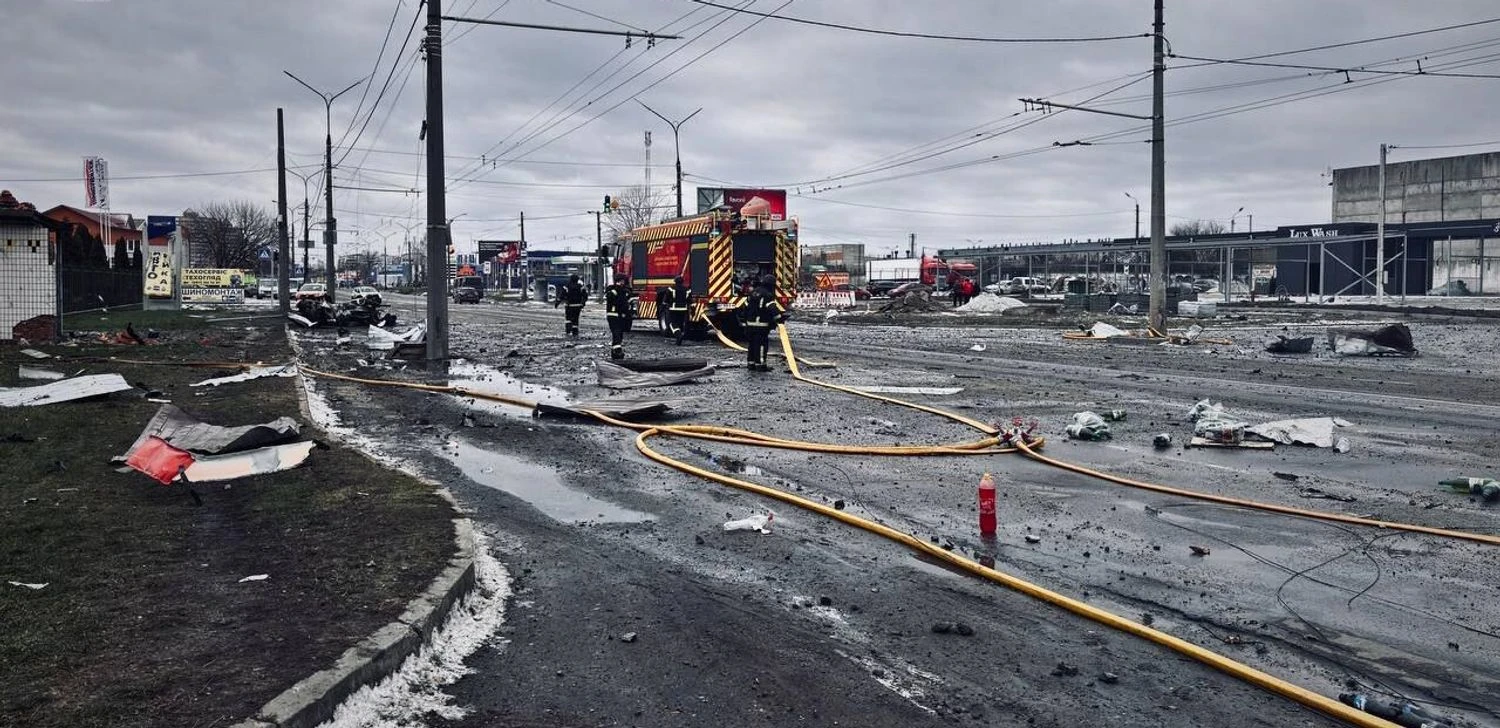
As a result of a Russian attack on Kyiv on December 27, one person was killed and 30 others were injured. This was reported by UNN citing Mayor Vitali Klitschko. Among the injured, 10 are currently in hospitals.
The State Emergency Service reports that in the Kyiv region the elimination of the aftermath of the mass attack is ongoing: a woman has been reported killed and five more injured. Some figures may partially overlap in reports from different agencies — operational summaries are updated as rescue work is completed.
On the night of December 27, explosions were heard in several Ukrainian cities, including the capital. Initial counts of the injured changed (recorded as 22, then 27 — now 30): this is a typical result of the dynamic work of rescue services and the registration of the injured after mass strikes.
"Ten of the injured are currently in hospitals."
— Vitali Klitschko, Mayor of Kyiv
"The elimination of the aftermath of the mass attack is ongoing in the Kyiv region."
— State Emergency Service of Ukraine (DSNS)
What this means
First, the attacks continue to strike civilian infrastructure and the population — a reminder of the need for an effective alert system, shelters, and medical readiness. Second, fluctuations in the statistics show how important transparency and rapid data updates are for coordinating aid and communicating with citizens.
An effective response is comprehensive: the work of rescuers, rapid evacuation and medical care, as well as strengthening air defense. The coming days will show whether approaches to protecting infrastructure will change and whether support from partners in critically important areas will increase.
Conclusion
The situation remains tense, but the facts are clear: there are fatalities, there are injured, and rescue operations continue. The question for those shaping the city's protection policy is: what concrete steps will speed up reducing risks to the civilian population in the near term?







