Briefly
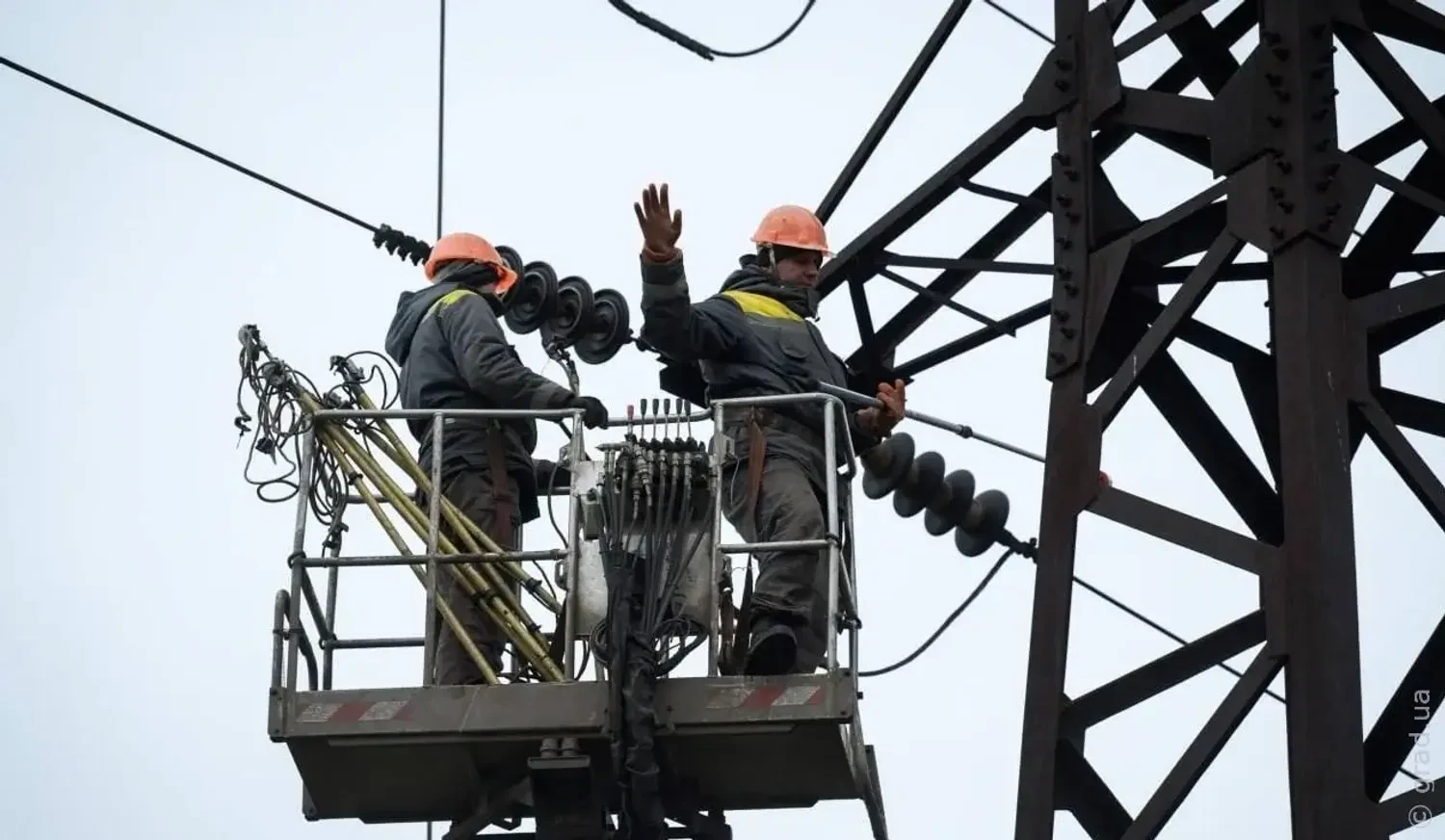
We set aside emotions and analyze the facts. In Kyiv the situation remains difficult due to low temperatures and the consequences of recent Russian strikes, but as of the evening the capital managed to adhere to the scheduled outages. This was reported by Energy Minister Denys Shmyhal.
“Energy workers are working around the clock to eliminate the consequences of the latest Russian strikes. At the same time, today the capital managed to stick to all scheduled outages.”
— Denys Shmyhal, Minister of Energy
What is happening and why
Cold weather raises consumption peaks, while damage to infrastructure reduces system reserves. The combination of these factors forces energy workers to operate by priority: restoring critical lines, testing generation capacity, and coordinating logistics. It is this coordinated effort that made it possible to keep to the planned outages in Kyiv.
Partners and logistics
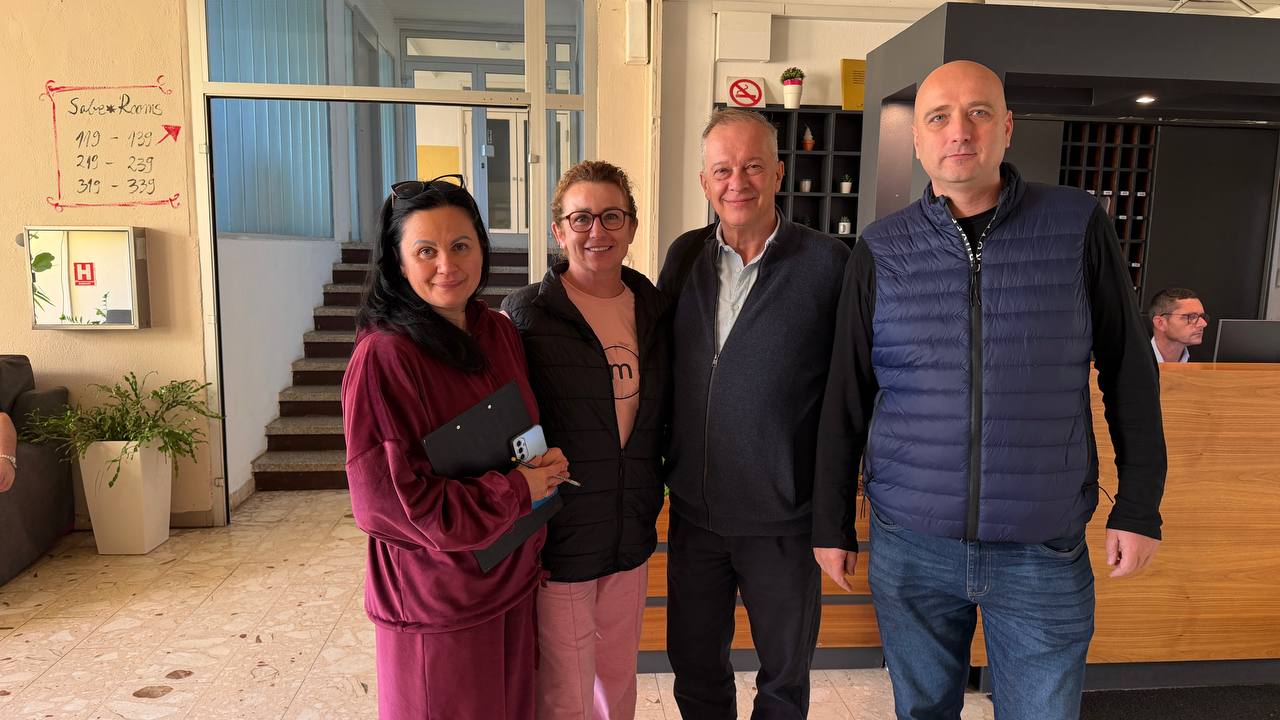
The ministry has stepped up technical cooperation with partners. In response to a request from the Ministry of Energy, the Belgian agency Enabel delivered four powerful generators within three weeks. In total, about 500 generators from the EU are en route; this week about 140 tonnes of equipment are planned to be shipped. Such international assistance is an example of social proof: partners are genuinely speeding up the recovery.
“Also, four powerful generators arrived from the Belgian Development Agency Enabel. They were purchased and delivered in the shortest possible time — just three weeks from the Ministry of Energy's request. In total, 500 generators from the EU are on their way to Ukraine. Overall, this week we plan to ship about 140 tonnes of equipment to recipients. Thank you to all partners for the help. Thank you to our energy workers, railway workers, district heating workers, rescuers, everyone who helps people.”
— Denys Shmyhal, Minister of Energy
Operational impact for people
For Kyiv residents, this means the planned outages went ahead without major disruptions — but risks remain. Enemy attacks caused new blackouts in three regions and emergency shutdowns, so the situation remains fluid. We recommend following official announcements from your energy company about changes to the schedules.
Forecast
Stability in the coming days will depend on two factors: temperature peaks and the pace of deliveries of spare parts and generators. System-wide coordination — from energy workers to railway workers — is already producing results, but requires steady financing and regular supplies. Now it's up to partners: declarations must turn into regular deliveries and repairs to reduce the risk of emergencies in the future.