What happened
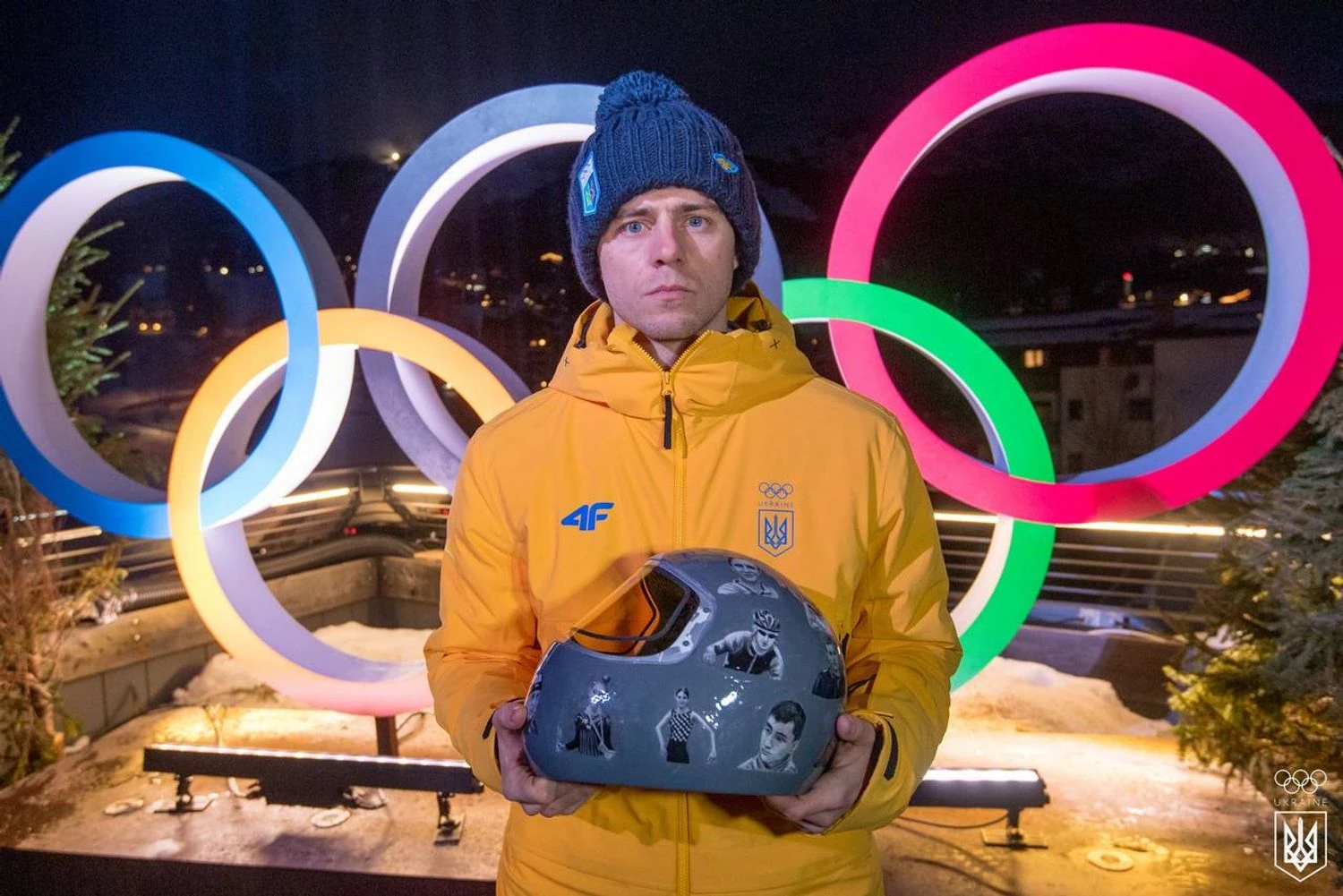
Ukrainian skeleton athlete Vladyslav Heraskevych, who carried the flag of Ukraine at the XXV Winter Olympic Games in Milan–Cortina, held a press conference after the International Olympic Committee’s decision not to allow him to use his “memory helmet” with photos of fallen Ukrainian athletes at the Games, UNN reports. Heraskevych said he does not consider this ban justified and plans to continue using the helmet during training and on competition day.
Position of the athlete
"You have already heard about the situation in Ukraine and, so to speak, the fatigue from the war. One must understand that in the global media this topic over time moves into the background. People in Ukraine sometimes feel that they are being forgotten. Therefore it is important to remind the world about what is happening in Ukraine now."
— Vladyslav Heraskevych, skeleton athlete, flag bearer of the Ukrainian team
He emphasized that the piece of equipment does not contain racial discrimination or political propaganda, and is a way to honor the memory of fallen comrades in the sporting community.
Context and facts
The helmet depicts 24 Ukrainian athletes killed as a result of Russian aggression. Heraskevych added that overall among athletes the victims of the war number over 500. According to reports, the IOC allowed commemorating the dead, but did not allow the use of this particular helmet during the Games.
"On this helmet there are 24 people, but in total more than 500 Ukrainian athletes died as a result of Russian aggression. They cannot compete at these Olympic Games. And I truly believe that if not for their self-sacrifice, the war could have been in Europe as well."
— Vladyslav Heraskevych, skeleton athlete, flag bearer of the Ukrainian team
Reaction of the NOC and possible grounds for the IOC decision
Representatives of the National Olympic Committee of Ukraine expressed support for Heraskevych and his desire to honor the dead specifically through the “memory helmet.” On the other hand, such IOC decisions are usually motivated by the desire to maintain the neutrality of the sporting arena regarding political symbols. This creates a conflict between the formal rules of international sport and the national community’s need to keep the visibility of its tragedy and memory.
Why this matters
This story goes beyond a single athlete or a single accessory. It concerns how international institutions react to symbols of war and memory, and how visible the Ukrainian tragedy remains in a world that is gradually losing interest in ongoing conflicts. For many Ukrainians the question of the helmet is not a protest in the classical sense, but a demand to preserve the names of those who gave their lives.
What’s next
Heraskevych has already stated that he will not give up the helmet in training and on competition day, regardless of the IOC’s position. Next — several key questions: whether the IOC will apply disciplinary measures, whether it will be possible to find a compromise that satisfies both international sporting rules and Ukraine’s need for a visible commemoration of the dead. It is also an indicator of how ready sporting rules are to take into account the professional and moral weight of symbolism during wartime.
While the international community reads the rules, for many Ukrainians the names behind the portraits are what matters. And in that sense this story is not only about a helmet: it is about the memory that society is persistently trying to keep visible.