In brief
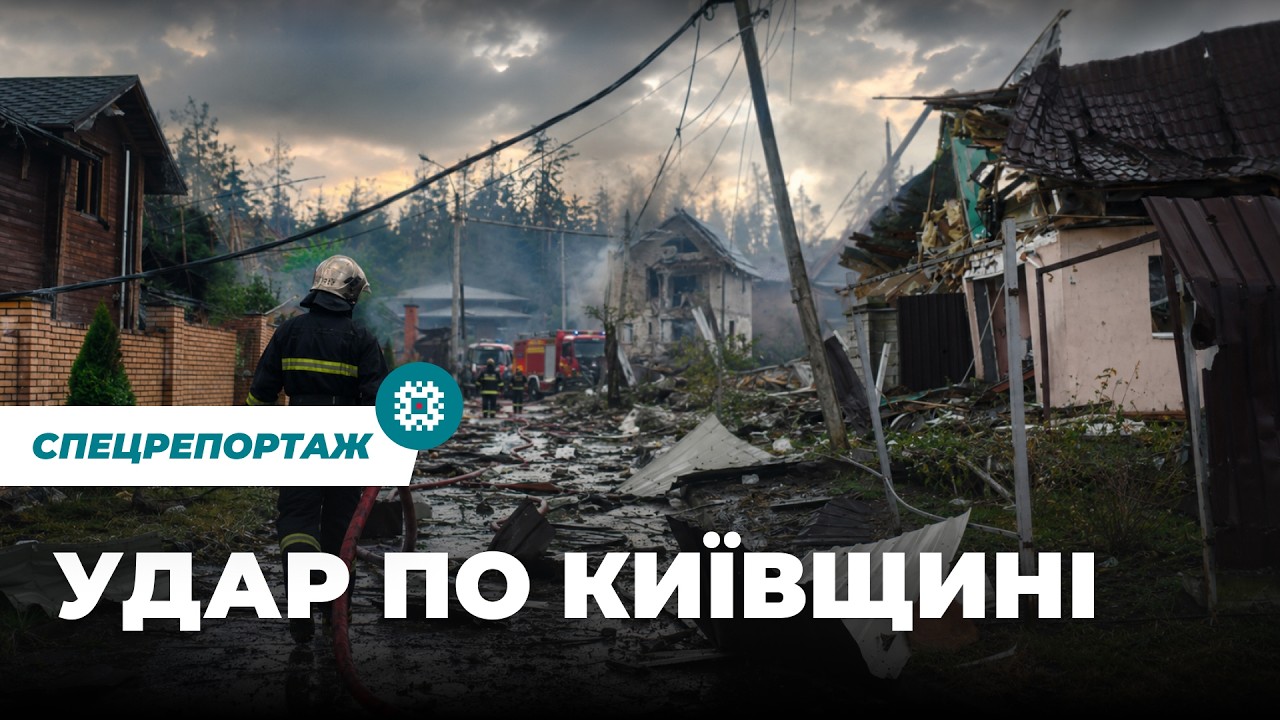
The Kyiv Regional State Administration (KODA) has announced an intensification of demining work in the forests of the Ivankiv and Makariv communities. According to the administration's estimates, more than 82,000 hectares of forested land may remain contaminated with explosive ordnance following combat operations in 2022. Priority will be given to areas near populated settlements and recreational zones — those places where people’s safety and the restoration of everyday life are of highest importance.
Organization of work: who is responsible for what
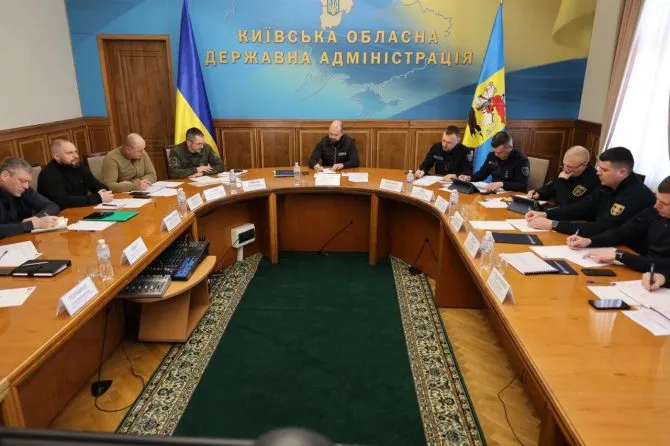
A special working group is being established at KODA to coordinate demining, with participation from the State Emergency Service (DSNS), foresters, the military, and representatives of local communities. This interagency format allows technical resources, local knowledge, and logistics to be combined — essential components for conducting operations safely and quickly.
"Our priority is people's safety. Work will be concentrated near populated areas and recreational zones where risks are highest."
— Kyiv Regional State Administration (KODA)
Where work is already underway and who is funding it
An example of effective cooperation is the Irpin community, where humanitarian demining continues under the "Step by Step" initiative launched last year. Thanks to contributions from the partner Help Ukraine Now and donors on the platform, funding was secured for clearance: work currently covers about 33 hectares of the Irpin forestry.
Why this matters for residents and the state
Demining is not only about equipment and hours of work; it is about the ability to safely return to normal life, restore local access to forests, revive recreation, and partially recover economic activity. Systematic coordination and funding make it possible to turn declarations into concrete hectares cleared of danger.
What to pay attention to next
The work will be phased and resource-intensive: challenges remain in personnel and financial capacity, as well as in ensuring safe logistics for operations in an area that experienced combat. The answer to the key question — whether there will be enough effort and money to systematically clear the suspected 82,000+ hectares — depends on coordination among authorities, security forces, and donor support.
Conclusion
KODA’s decision to launch a working group is a step toward organizing demining work and protecting communities. It is an example of how combining local knowledge, state resources, and donor support produces tangible results: hectares free of explosive ordnance and safer communities. Now it is important that these plans receive stable funding and clear local implementation.