Brief — what happened
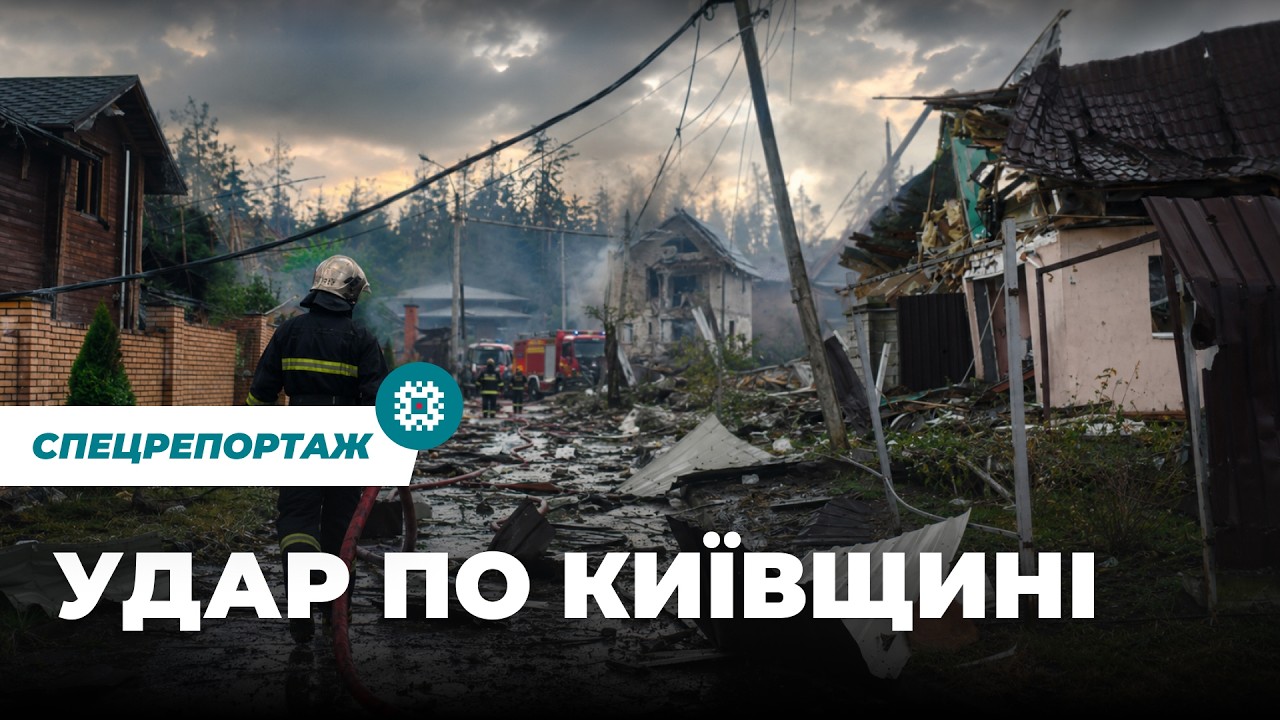
As a result of a prolonged shelling of the capital, numerous strikes and falling debris were recorded in eight districts of the city. According to Mayor Vitali Klitschko, the number of people wounded has risen to 22 people, including children. The information was released by the UNN news agency and official city services.
"The number of people wounded has risen to 22"
— Vitali Klitschko, Mayor of Kyiv
Where damage was recorded
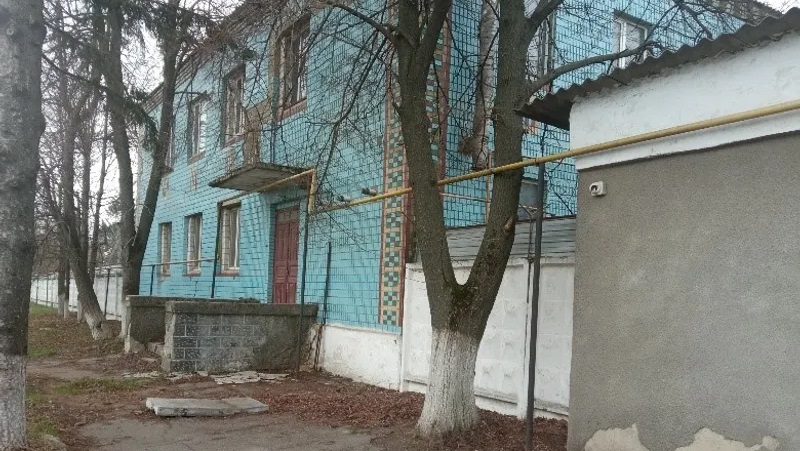
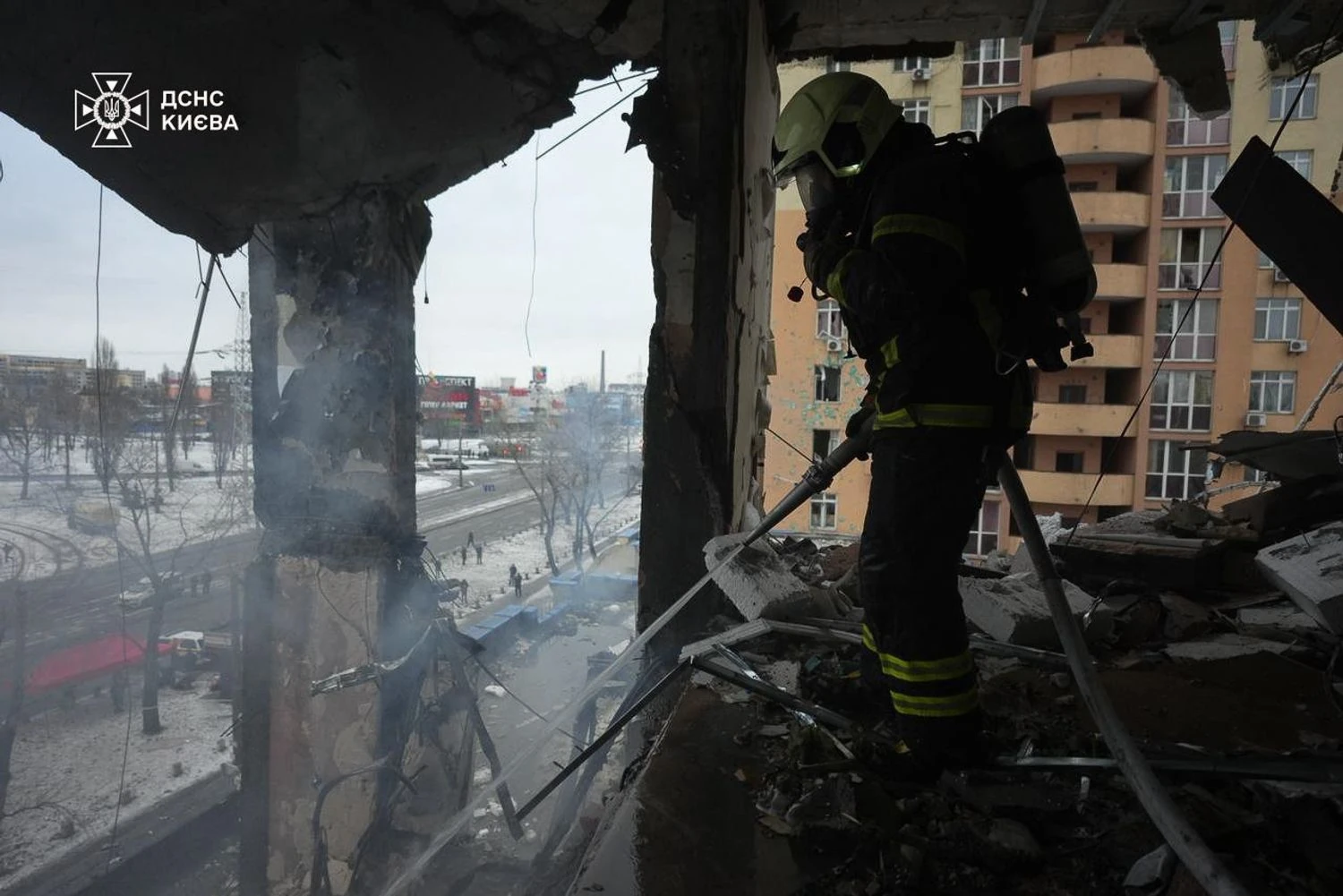
Darnytskyi District: a strike on a 24‑storey building — upper floors damaged; another high‑rise damaged at the level of the 7th floor. A tram depot was damaged. Residents of a care home for the elderly were evacuated due to the risk of fire from the neighboring private‑sector area.
Dniprovskyi: three high‑rise buildings sustained damage. In an 18‑storey building, a search is ongoing for a person under rubble on the 5th floor. Apartments in the 25‑ and 19‑storey sections were on fire.
Holosiivskyi and Obolonskyi: cars near a service station (auto repair shop) and on the territory of a summer‑cottage cooperative were burning.
Shevchenkivskyi: a UAV (drone) struck the top floor of a 10‑storey building — a fire was recorded.
Desnianskyi: falling debris hit a garage cooperative and struck a nine‑storey building.
Solomianskyi: windows in a high‑rise building were damaged by the blast wave.
Response of services and state of infrastructure
Emergency services continue search-and-rescue operations at the impact sites. Energy workers and municipal services are working to restore supplies and eliminate the consequences of fires. Due to damage, emergency power outages have been partially implemented — the official operator reported that normal schedules are not in effect.
"Schedules are not in effect"
— Ukrenergo, operator of Ukraine's power system (official statement)
Why this matters
Attacks on residential areas and critical infrastructure have several consequences: an immediate risk to civilians, complication of rescue operations due to destruction, and the threat of prolonged disruptions in services — from electricity to public transport. This also increases the burden on hospitals and municipal services at a time when resources are limited.
Analysts and local services note that systematic work by rescuers and energy crews is currently critical to reducing long‑term consequences. Support from citizens, donors and international partners will determine the speed of recovery.
What to do now
Step by step: follow official city government channels, do not spread unverified information, observe safety rules during evacuation and assist rescue services within your capabilities. For those who can — support families of the victims and humanitarian initiatives.
Forecast: emergency services will continue to operate under heightened strain; the greatest risk is continued attacks on infrastructure, which may lead to new service disruptions. The pace of repairs will determine the everyday life of Kyiv residents in the coming days.