What happened
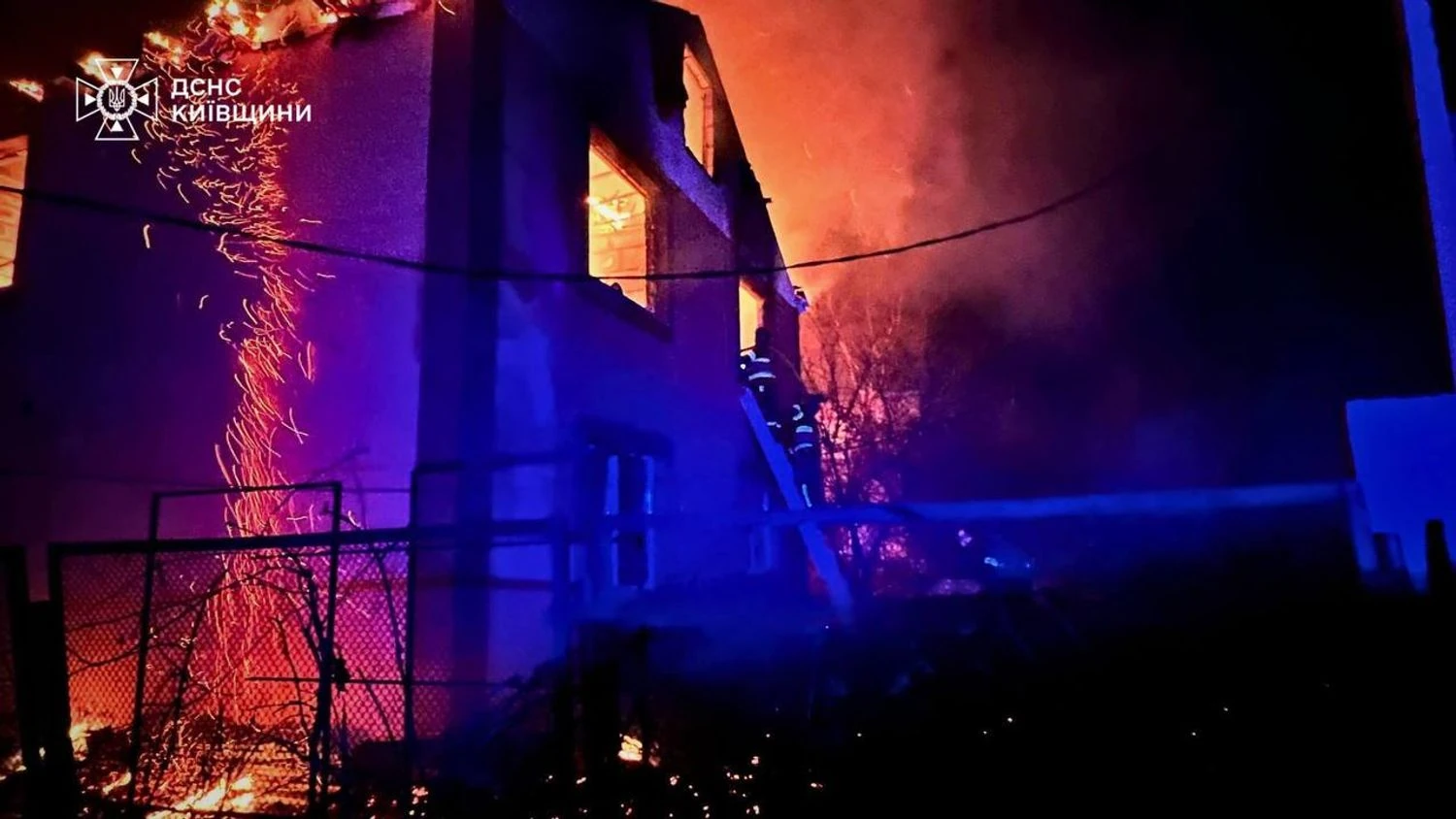
On the night of December 27, Kyiv suffered a combined attack by the Russian Federation, which caused fires in residential buildings and parking lots in several districts of the city. According to the mayor, due to damage to the energy infrastructure almost a third of the capital is currently without heat. Some districts on the left bank also have no electricity. There are casualties; rescuers evacuated 10 people from a nursing home.
"As a result of the enemy's attack, almost a third of the capital is currently without heat. There is no electricity in some districts on the left bank. Energy workers are working to restore power supply"
— Vitaliy Klitschko, mayor of Kyiv
Consequences for residents
The loss of heat and electricity in winter threatens more than just discomfort. It increases the risk for the elderly and people with reduced mobility, complicates the operation of medical facilities and communal services. Some housing was damaged by fires — this adds extra strain on emergency services and volunteers providing temporary shelter.
What the energy workers and authorities are doing
The city authorities and energy crews are working to restore electricity and heat supply on a priority basis — critical facilities, nursing homes and hospitals are first in line for restoration. Rescuers continue to extinguish fires and evacuate the injured. The city is also organizing warming centers and gathering information about the most affected districts.
Context: why this matters
Attacks on energy infrastructure during the cold season have an obvious tactical aim — to create social and humanitarian pressure. Analysts and energy specialists note that systemic damage to the network is harder and more expensive to repair precisely in freezing conditions, which amplifies the consequences for the civilian population. For Kyiv this is a matter of life-support security, and for the state — a test of infrastructure resilience.
What’s next
Now the priority is the rapid restoration of energy supply, effective coordination between city authorities, energy workers and rescuers, and the protection of the most vulnerable groups. The medium-term questions are how to strengthen the network's resilience to targeted strikes and how to speed up repair logistics under combat conditions. Until full restoration, it is important to follow official city announcements and adhere to rescue service recommendations.