What happened
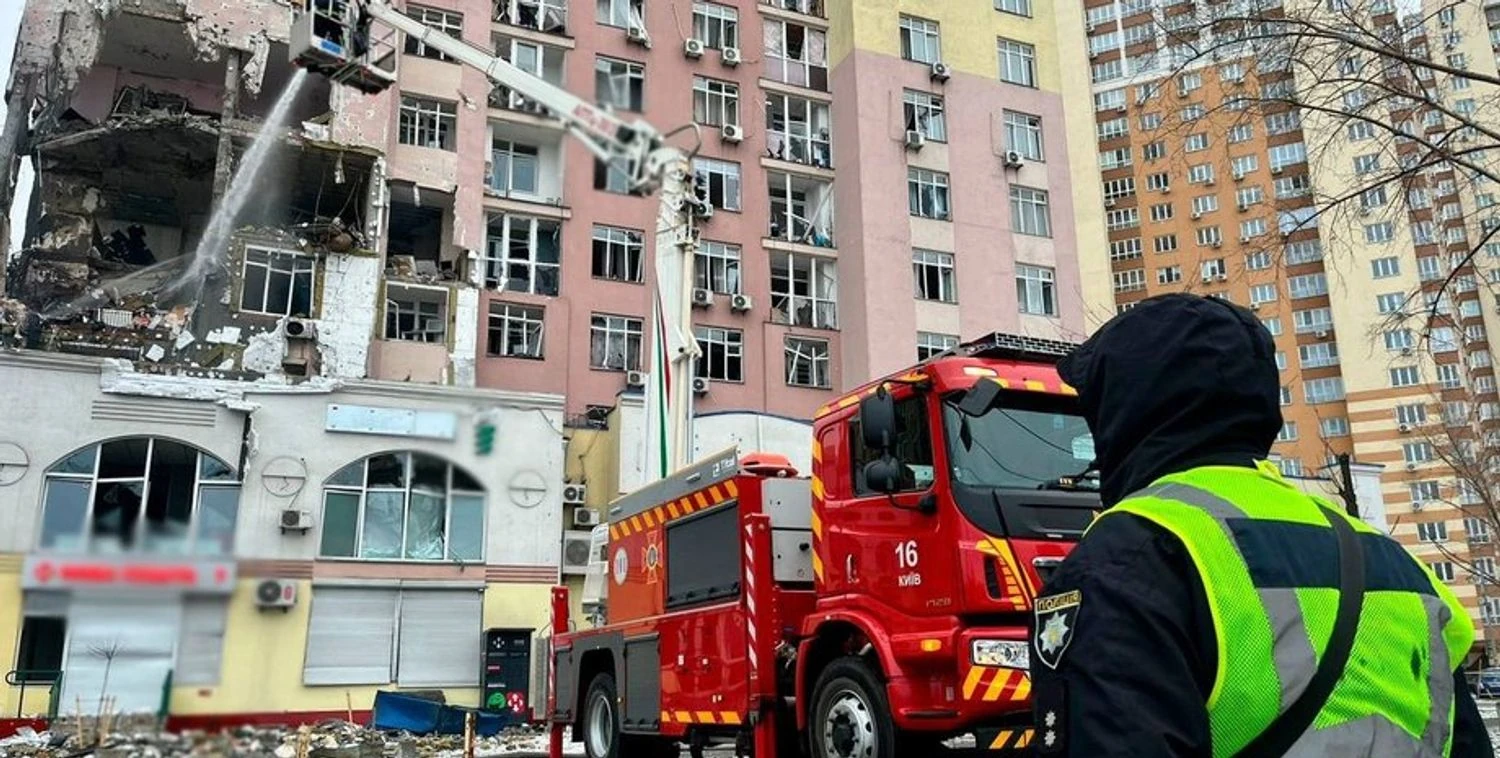
After a massive enemy attack on the night of December 27, parts of Kyiv experienced interruptions to heating and power supply. According to the Kyiv City State Administration (KCSA), more than 2,600 residential buildings were temporarily left without heat; the strikes injured 32 people, 11 of whom were hospitalized. The agency UNN reported the information citing the KCSA.
How heat was restored
Utility services worked in an intensified mode and within a day and a half restored heat supply for almost 400,000 homes. In total, heating was restored for over 3,500 buildings. To support critical facilities, the municipal enterprise "Kyivteploenergo" deployed mobile boiler units to heat hospitals, and operational headquarters were active in each district of the city to coordinate work and assist those affected.
"Within a day and a half we restored heat supply for almost 400,000 homes that were left without service as a result of the attack on the night of December 27"
— Kyiv City State Administration
Why this matters
Rapid restoration of heat supply is not only a matter of comfort. It minimizes health risks, prevents accidents in networks, and preserves the functioning of hospitals and critical infrastructure. The prompt response indicates that the response system and backup capacities functioned, but the situation remains vulnerable to repeated strikes or prolonged blackouts.
What’s next
Work continues until the situation is fully stabilized: inspections of networks, repair brigades, and reconnection of restored sections. The key factor is the resilience of the power system and the speed of restoring electricity, on which the final recovery of central heating networks depends.
This is an example of how systematic preparation and coordinated actions by municipal services deliver results under pressure. The next stage is to ensure that temporary solutions turn into long-term network stability and protect residents from repeated interruptions.







