Briefly
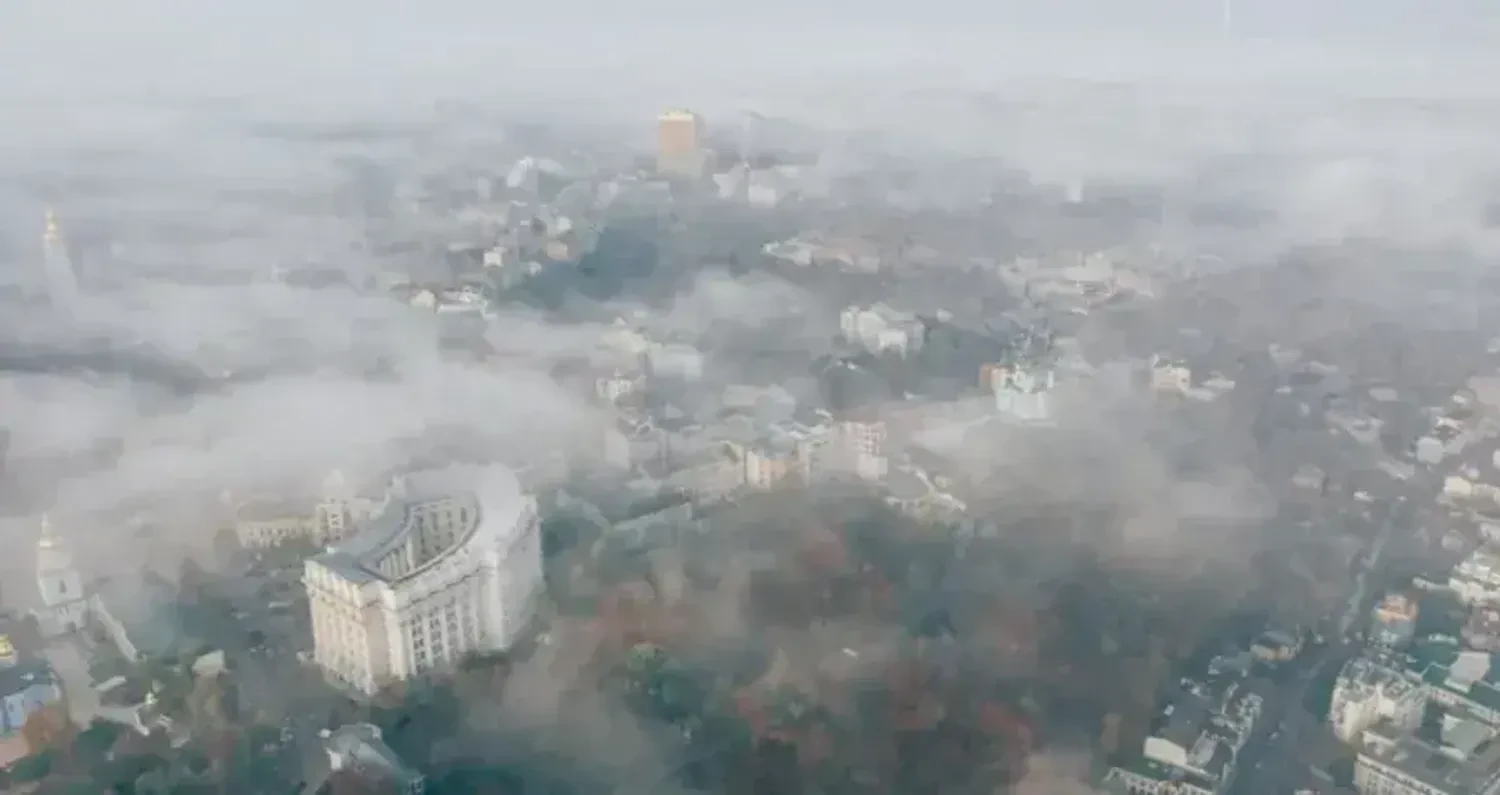
Fires broke out in the left-bank districts of Kyiv on January 20 after enemy shelling, resulting in smog rising over the city. UNN reports, citing the Kyiv City State Administration (KCSA). At the same time, some fixed air quality monitoring stations are temporarily out of service due to power outages.
What this means for health
Smoke from fires contains particulate matter (PM2.5/PM10), products of incomplete combustion and other respiratory irritants. Risks increase for vulnerable groups — children, older adults, and patients with chronic lung and heart diseases. Even short exposure to smog can worsen conditions for those with asthma or cardiovascular problems.
KCSA recommendations and practical steps
The KCSA reminds people of basic but effective safety measures. If you smell smoke or see a high concentration of smog, act as follows:
- Close windows and seal gaps — this will reduce smoke entering your home.
- Limit time outdoors, especially for children and those with chronic illnesses.
- Drink more water and, if possible, turn on a home air purifier or set your air conditioner to recirculation mode.
- Monitor how you feel: if shortness of breath, chest pain, or marked worsening occur — seek medical attention.
"As a result of power outages caused by enemy shelling, fixed air quality monitoring stations in Kyiv are experiencing temporary disruptions"
— Kyiv City State Administration
Monitoring and municipal impact
Due to power outages, data on air quality may be temporarily unavailable or incomplete. According to the KCSA, about 173,000 households in the capital remained without power after the attack; repair crews and rescue workers are working to restore networks and extinguish fires.
What to keep in mind going forward
Short-term exposure to smog is a real risk for vulnerable groups. At the same time, the lack of complete monitoring means that decisions about returning outdoors or holding school activities should be based on local reports and personal health. Municipal services and rescuers are working to address the consequences — so prudent observance of basic recommendations will help reduce harm.
Household protection today is a simple action by each person: close windows, limit time outdoors, and pay close attention to the condition of loved ones. Meanwhile, authorities and services must restore power supply and full monitoring — only then will we get an objective picture of the city's air quality.







