On the night of June 15, Russia launched a massive combined attack on Ukraine — one of the largest in recent months. The main target of the strike was Kyiv. According to the Ukrainian Air Force, the enemy deployed 681 aerial attack vehicles: 70 missiles and 611 drones of various types.
What and How Struck
The attack package included 34 Iskander-M/S-400 ballistic missiles, 30 Kh-101/Iskander-K cruise missiles, 5 Zircon hypersonic missiles and over 600 strike drones — Shaheds, Geberitis, Italmaasis and Parody decoy drones. Air defense systems destroyed or suppressed 632 targets, however 20 ballistic missiles and 27 strike drones hit 42 locations across the capital.
Damage in the City
According to the Kyiv portal, more than 20 people were wounded, including a child and a pregnant woman; three in critical condition. According to updated data from NV and RBC-Ukraine, the number of wounded rose to over 30, with four people killed. Fires and destruction were recorded in virtually all districts of the city — about 50 locations where emergency services worked.
Among the affected objects are the Kyiv-Pechersk Lavra (the Assumption Cathedral was damaged), the Art Arsenal in Pechersk, the Dovzhenko Film Studio, and residential buildings in Obolon, Podil and Solomiansky districts. Due to damage to energy infrastructure, about 140,000 subscribers in the northern part of the city lost power.
HACC: Broken Windows, Court Operating
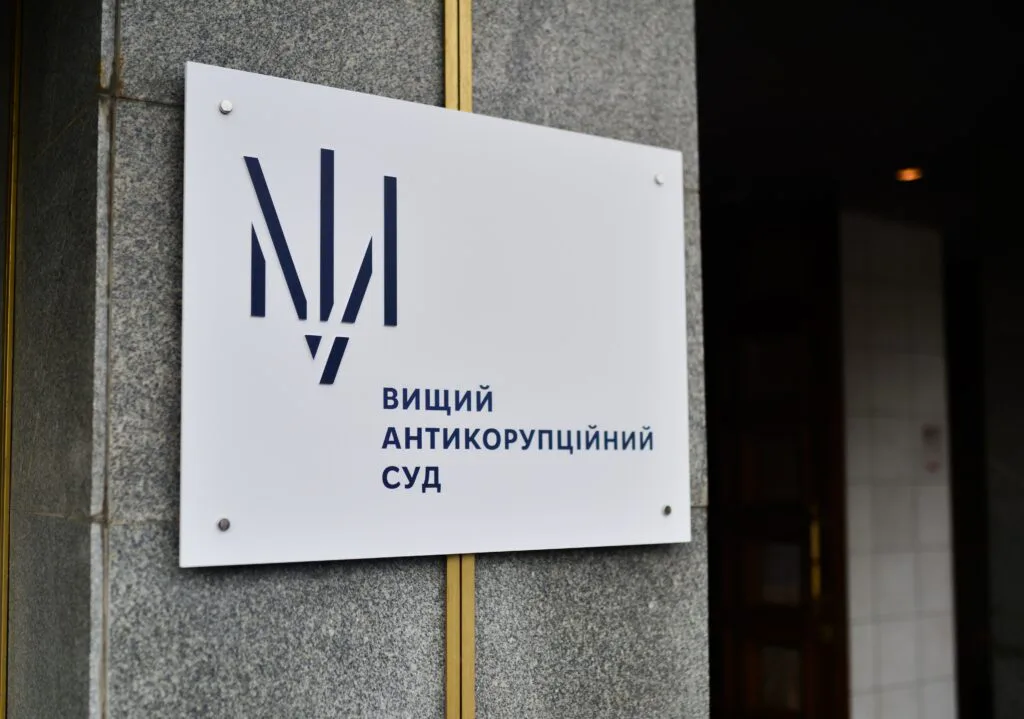
The building of the Higher Anti-Corruption Court on Beresteysky Avenue sustained damage: windows were shattered, the full extent of damage is being assessed. Court employees conducted cleanup and damage mitigation.
"Despite the incident, all court sessions will take place according to schedule. In case of changes, relevant information will be published additionally."
HACC Press Service, June 15, 2025
The fact that the court, which considers cases of top-tier corruption officials, demonstratively does not stop work after a direct strike on the capital, is a signal that is not merely operational. The HACC building is located in the city center; the previous incident with an explosion in the internal courtyard occurred in 2020.
Scale of the Strike in Context
The attack on the night of June 15 is no ordinary one: by the number of assets deployed and the geography of hits, it belongs to the most large-scale strikes on Kyiv since the beginning of the full-scale invasion. The strike on cultural heritage — the Lavra and the Arsenal — testifies either to deliberate targeting of civilian objects, or to critical errors in ballistic guidance, which are difficult to intercept even with modern air defense systems.
The Air Force recorded the use of Zircon missiles — hypersonic rockets, against which most available air defense systems are ineffective. This explains the relatively high hit rate even under conditions of destroying 92% of the total number of targets.
If Russia consolidates the practice of massive night strikes with a combination of Zircons and hundreds of decoy drones — the question is not whether Kyiv's air defense will withstand the next wave, but rather how many additional interception systems the West is ready to provide before strikes again touch objects that cannot be rebuilt.







