Introduction — brief and to the point
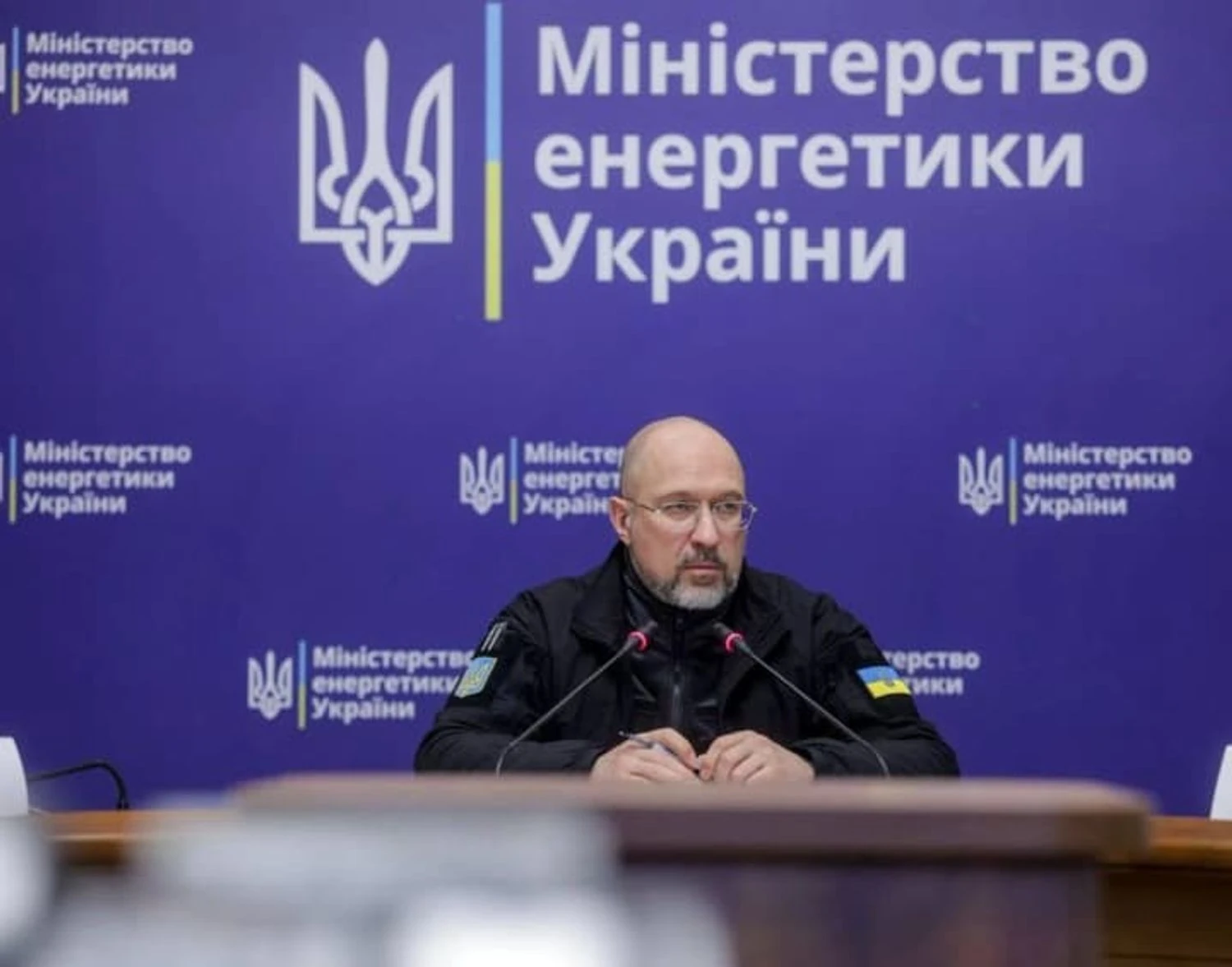
After a nighttime strike on energy infrastructure in Kyiv, First Vice Prime Minister for Energy Denys Shmyhal said: CHP‑5 can be restored in about a day, CHP‑6 — within up to two days. UNN reports from a meeting of the Verkhovna Rada committee on energy on Shmyhal’s assessments and why today’s temperature factor is working in Kyiv residents’ favor.
"Tonight’s Russian attack with ballistic missiles… debris impacts on CHP‑5 and CHP‑6 in Kyiv. This led to damage to the gas distribution and gas compressor units at one CHP, at the other circular pumps and the water treatment system were shattered. For CHP‑5, we hope that everything will be restored within a day; for CHP‑6 it may take two days to repair"
— Denys Shmyhal, First Vice Prime Minister for Energy
Damage and scale
According to the official, debris damaged gas-distribution and gas-compressor units at one plant; at the other — circular pumps and components of the water treatment system were broken. These are technical failures, but such malfunctions directly affect the CHPs' ability to supply heat and operate under load.
Temperature as a factor that saved weeks of repairs
Above‑freezing temperatures made it unnecessary to drain water from the heat network. As Shmyhal noted, this means there will be no need to spend up to two weeks refilling the system, reconnecting buildings and fixing related bursts. In other words, the recovery timeframe of one to two days becomes a real chance to limit the social consequences of the attack.
"This will make it possible not to spend two weeks on refilling the system, reconnecting buildings, and repairing the bursts associated with that. So the system is filled with water. In a day or two we will repair the equipment at the stations, and accordingly heat will be restored"
— Denys Shmyhal, First Vice Prime Minister for Energy
Who was affected by yesterday’s strike
Russia deliberately attacked the energy sector on the night of February 12. According to reports, heating supply was temporarily cut off for around 2,600 buildings in Kyiv; in Odesa about 300,000 people were left without water; in Dnipro roughly 10,000 customers were without heat. These figures give an idea of the scale of the strike and the importance of prompt CHP repairs.
Analysis: why these timeframes matter for you
A short repair period means two practical things: first, a lower likelihood of large-scale bursts and additional accidents; second, lower financial costs to restore networks and less social pressure on services. Experts stress that a rapid response by emergency crews and proper logistics for spare parts are key to minimizing the consequences of such attacks.
What next?
Officials forecast that heating should be restored within the stated timeframes, provided there are no repeated strikes or technical complications. This is a test of the responsiveness of local and state services: how quickly spare parts are delivered and repair crews are organized will determine the comfort of thousands of people and the scale of financial expenditures. For now — it’s a story about the resilience of the system and the people: can the services turn the announced deadlines into a real result?