What happened
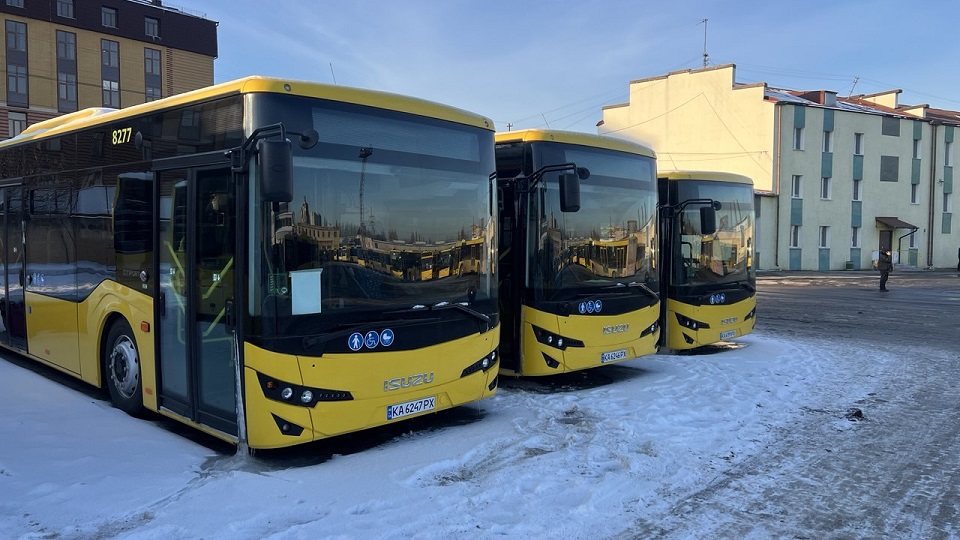
KP «Kyivpastrans» is putting another 20 Anadolu Isuzu buses into service — the third batch of vehicles purchased with funds from the European Investment Bank. The buses have completed customs clearance and paperwork and have been distributed among the enterprise's depots.
"We are bringing the new rolling stock into service to strengthen the city's transport network, including on routes that duplicate electric transport, on both the left and right banks of the capital"
— KP «Kyivpastrans»
These are buses with a 100% low-floor, equipped with a ramp, passenger information displays, external and internal video surveillance systems, stop announcement system, air conditioning and heating. They also have energy-efficient LED interior lighting and tinted glass.
Context and significance
According to official data, Kyiv has already received 60 Turkish-made buses: some of the vehicles are already operating on routes, others are still awaited (about 25 more buses are expected to arrive this year). The current batch is a logical continuation of the fleet renewal.
These deliveries are not just about comfort: they give the city an operational reserve. After the Russian shelling on January 9, when electric transport temporarily stopped running on the left bank and later on the right bank, buses remain a key tool for ensuring residents' mobility.
At the same time, experts point to another important aspect: amid reports of many humanitarian buses disappearing from routes, systematic logistics, transparent accounting and maintenance are becoming no less critical than the mere fact of delivery.
What’s next
Investments supported by the EIB are a marker of partners' trust, but turning individual deliveries into a steady renewal of the network will only be possible with thoughtful management: route allocation, maintenance schedules, usage control and staff training.
These 20 buses increase the capital's operational resilience — but the next step is up to the city and the donors: can deliveries evolve into a comprehensive modernization that will make transport more accessible and more resilient to crises?







