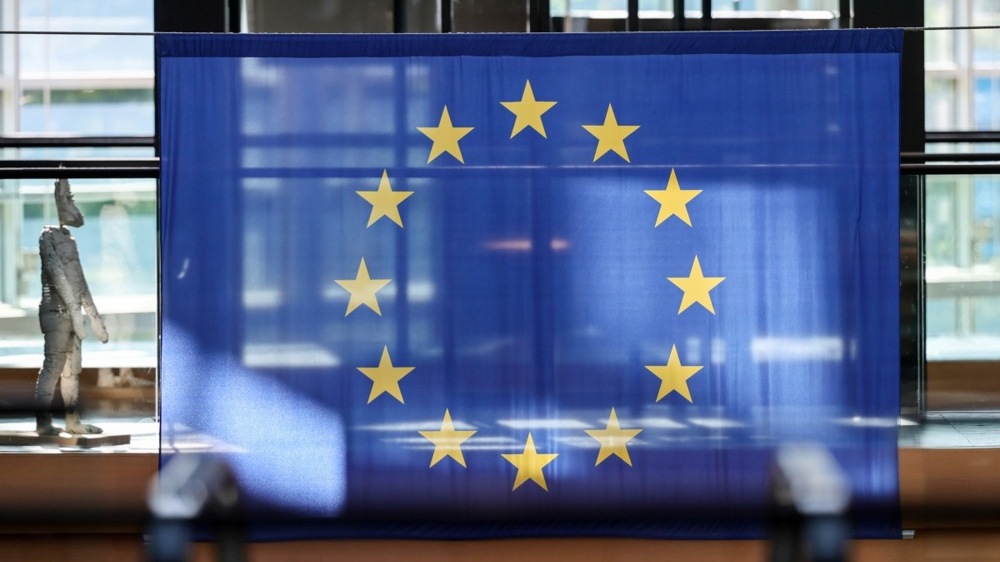
European Commission spokeswoman Paula Pinho answered briefly at a Brussels briefing on the question of the 20th package of sanctions against Russia: "We did it 19 times — and we will do it again". According to Pinho, the EU is guided by the same logic as before — to reduce any opportunity for Russia to benefit from the continuation of the war. However, behind this calm formulation lies a more complex picture.
What the European Commission proposes
On February 6, 2026, the European Commission published an official proposal for the 20th package. The central element is a complete ban on maritime services related to the transportation of Russian crude oil. If the package is adopted, it will effectively replace the G7 price cap of $60 per barrel, which the West has been applying since 2022. Ursula von der Leyen also announced a ban on technical maintenance and service of tankers for liquefied natural gas (LNG) and icebreakers — hitting key Kremlin projects in the gas sector.
An additional 42 vessels will be added to the shadow fleet blacklist — bringing the total number to 640 ships. A separate block of measures is aimed at the banking system: 20 Russian regional banks and foreign financial institutions suspected of facilitating sanctions evasion will face new restrictions. The package also provides for measures against cryptocurrency platforms, which the Kremlin uses to build alternative payment channels. Additionally, restrictions are introduced on imports of metals, chemicals, and critical minerals worth approximately €570 million.
Why the figures matter
For context in understanding the scale: Russia's oil and gas revenues fell 24% in 2025 — to the lowest level since 2020 — under the weight of sanctions, ruble strengthening, and declining global demand. This directly affects Moscow's ability to finance the war: at least half of Russia's federal budget is traditionally formed from energy revenues.
"The only thing showing signs of life is the military-industrial complex. We expect Russia's economy to continue to slow, with growth becoming increasingly weak — potentially leading to a recession".
Elina Ribakova, senior fellow at the Peterson Institute for International Economics (PIIE)
Where the stumbling block lies
The 19th package — the predecessor to the current one — was delayed due to blocking by several member states. Hungary and Slovakia opposed it on political grounds, Austria — over Raiffeisen Bank International: Vienna tried to include in the package the unfreezing of €2.1 billion in assets of Rasperia, a company linked to Oleg Deripaska, as compensation to the bank for losses in Russia. After several weeks of blocking, Austria backed down — and on October 23, 2025, the 19th package was finally adopted.
Currently, discussions on the 20th package are ongoing in the EU Council: the complete ban on maritime services remains the most controversial point, as it affects the interests of several member states that have their own maritime sectors. As Pinho confirmed, "everything proposed by the European Commission is included in the package, but remains subject to discussion in the Council".
EU High Representative Kaja Kallas said on Friday: "Next Monday we plan to adopt the 20th package of sanctions against Russia. Sanctions work. They seriously damage Russia's economy". The EU seeks to approve the document by February 24 — the fourth anniversary of the full-scale invasion.
The question that will determine the package's effectiveness
If the complete ban on maritime services is preserved in the final text — without sectoral exemptions already being lobbied by individual member states — this will become a structural break in the strategy of pressure on Russia: from a price cap that Moscow has learned to circumvent through shadow fleets, to a direct blockade of logistics. If exemptions appear, the next "we did it again" will be just another symbolic step without measurable results.







