Why this matters
The European Commission has put forward a 20th package of sanctions against Russia — a set of measures in the areas of energy, finance and trade. This is not merely another list of restrictions: the aim is to reduce export revenues from energy carriers and to block avenues for evasion schemes that have fed the Kremlin's war machine. For Ukraine, this means additional international pressure that works to lower the aggressor’s economic capacity.
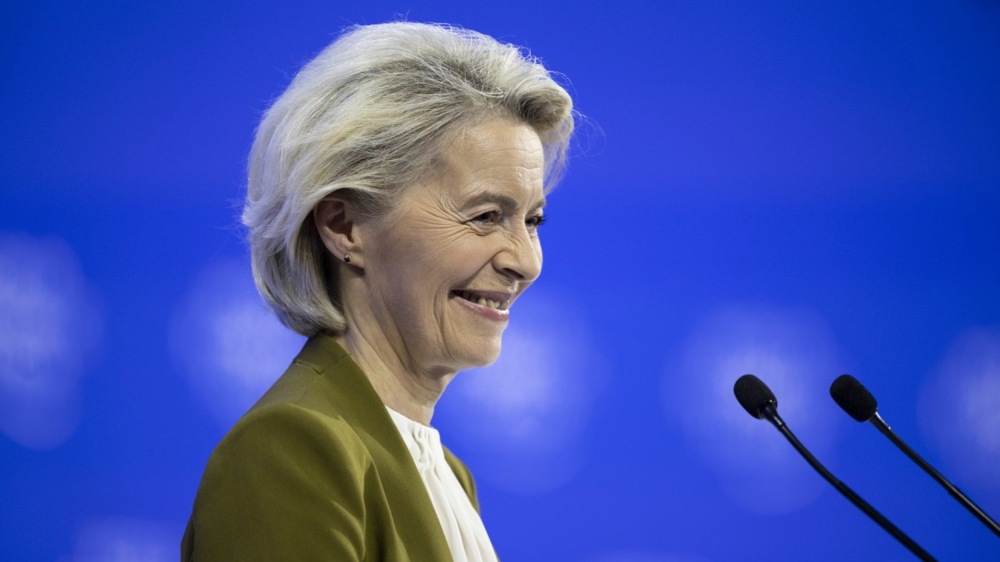
"While important peace talks continue in Abu Dhabi, we have to look at the situation soberly: Russia will sit at the negotiating table with genuine intent only when it is put under pressure. That is the only language Russia understands. That is why today we are stepping up our actions. The European Commission is proposing a new package of sanctions — the 20th since the start of Russia's aggressive war against Ukraine"
— Ursula von der Leyen, President of the European Commission
Key elements of the package
Maritime ban: it is proposed to fully ban the provision of maritime services for Russian crude oil in coordination with the G7. The sanctions list is expected to be expanded by another 43 vessels of the "shadow fleet", bringing the total to about 640 ships.
Technical and service restrictions: a ban on servicing LNG tankers and icebreakers and measures to make it harder to acquire tankers for the shadow fleet — steps that complement earlier decisions on LNG and strengthen logistical barriers to energy exports.
Finance and crypto: the proposal includes an additional 20 regional banks, measures against cryptocurrency companies and platforms, and restrictions on banks in third countries that facilitated illegal trade in sanctioned goods.
Export and import restrictions: tightening export bans (including CNC machines and radio equipment) and new import restrictions on metals, chemicals and critical minerals worth more than €570 million. Additional export restrictions will affect goods and technologies worth more than €360 million.
Context and sources
Bloomberg previously reported that the package is considering including metals such as iridium, rhodium, platinum and copper — materials important for industry and defense. Analysts note that the combination of maritime restrictions and financial measures makes the 20th package more systemic — it is not only a hit to revenues but also an attempt to close logistical and financial "windows" for sanctions evasion.
What’s next
The package is currently a proposal from the European Commission; its further fate depends on the EU Council and the positions of national governments. If the proposals become binding decisions, this would significantly complicate Russia's export logistics and increase economic pressure. The question now is whether partners will turn declarations into swift, coordinated actions that actually reduce the aggressor's capabilities?







