While Ukrainian units on the front lines were waiting for new anti-tank grenade launchers, the state was paying hundreds of millions of hryvnia for weapons removed from Soviet warehouses. The SBU and the Office of the Prosecutor General announced searches at the company "Ukrainska Bronetehnika" — an enterprise that won state tenders for supplying weapons to the Armed Forces of Ukraine.
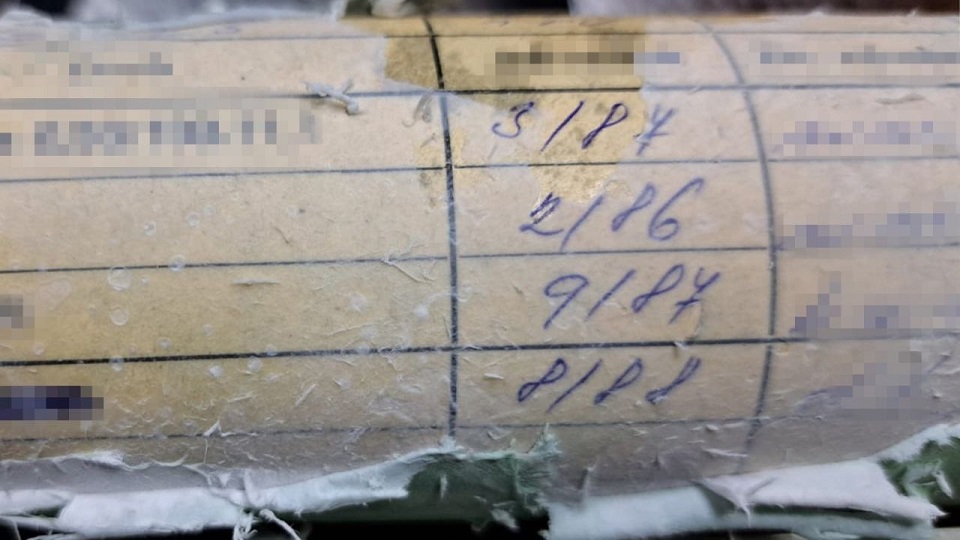
According to the investigation, the company received over 318 million hryvnia under contracts that were supposed to deliver modern grenade launchers. Instead, the army received weapons manufactured in the 1980s — technically obsolete, with exhausted or near-limit resource capacity.
The Mechanics of the Scheme
The scheme described by the investigation is simple to execute and complex to detect without internal oversight: the tender documentation stipulated new samples, acceptance certificates confirmed compliance — but in reality, Soviet-era weapons that had been stored on bases for years were delivered to warehouses. The price difference between new and "vintage" weapons is the subject of the embezzlement suspicion.
Similar schemes in defense procurement share a common vulnerability: quality control and compliance verification occurs at the documentation level, not through actual technical audits of samples. This gap between document and product is precisely the entry point for abuse.
What This Means for a Soldier
A grenade launcher is not an abstract line item in a state register. It is a weapon that an infantryman uses in direct contact with enemy armored vehicles. Malfunction or low effectiveness of an outdated model in combat is not a financial loss — it is a risk to the life of a specific person in a specific trench.
318 million hryvnia on a defense budget scale is not a catastrophic sum. But each such scheme undermines not only money: it undermines trust between the state and the army, between taxpayers and the defense procurement system, which remains one of the least transparent.
Reaction and Consequences
The SBU confirmed the fact of the searches; details of the suspicions are not being fully disclosed at the moment — the investigation is ongoing. The Prosecutor General's Office has not stated whether among the suspects are officials of the Ministry of Defense or state-side contract recipients.
This is a key question: was the scheme possible only through the actions of the supplier — or was it supported by a corruption network within the customer itself. If the investigation stops at the level of the executing company without reaching those who signed the acceptance certificates, real accountability will remain unestablished.