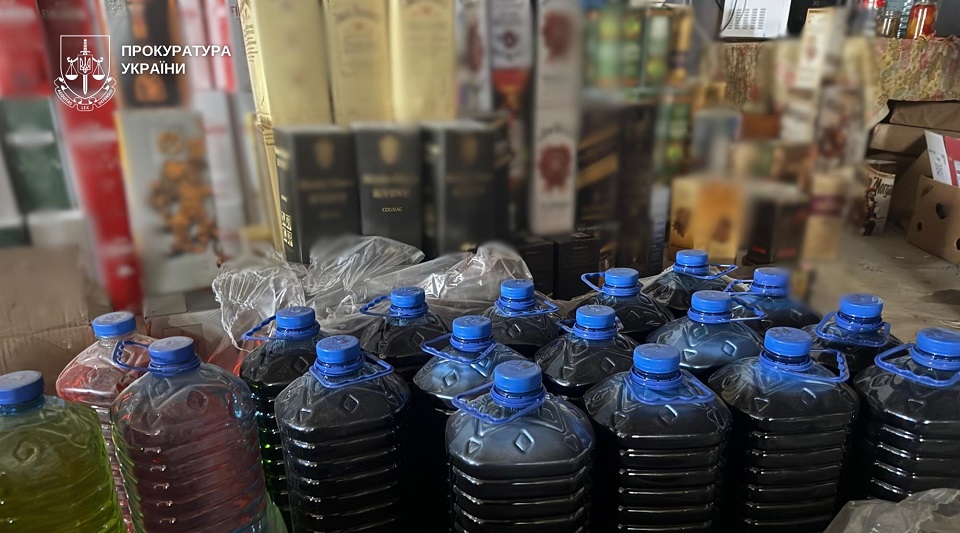
In Kyiv, law enforcement exposed an underground production facility that specialized in manufacturing counterfeit versions of famous alcohol brands. During the search, authorities seized 45,000 liters of alcohol with a total value of approximately 4.7 million hryvnias — roughly equivalent to a small legitimate distillery's monthly output.
The scheme is standard for this market: cheap technical or food-grade alcohol of questionable origin is bottled with forged excise stamps and labels of premium brands. The final "elite" bottle is sold for several times its production cost — the difference disappears off the books entirely.
Why This Is More Than Just Crime
Counterfeit alcohol is not merely a matter of unpaid taxes. Uncontrolled spirits may contain methanol or harmful congeners in concentrations dangerous to human life. Every year, Ukraine records dozens of deaths from poisoning by substandard alcohol, though complete statistics are scattered across different agencies and not consolidated in a single registry.
According to estimates by the Ukrspirt Association, the share of illegal alcohol on the Ukrainian market has grown during the war: supply chains are disrupted, market controls are weakened, and consumer purchasing power has fallen — buyers are looking for cheaper options. This creates an ideal environment for underground facilities.
Operations Exist — System Doesn't
Each such exposure is accompanied by a photographic report showing bottles and barrels. However, there is almost no public information about where the alcohol comes from for such productions, who the final buyers are, and how many people are in the supply chain. Cases rarely result in convictions, and equipment is often not destroyed but "seized" without subsequent public audit.
The seizure of 45,000 liters is certainly a result. But without answers to the questions of where the alcohol was purchased and how the finished product reached store shelves, this is merely the closure of one facility among dozens.
If next year a new underground producer emerges in the same district with the same alcohol supplier — would that mean the operation achieved its goal?







