On May 21, 2026, Stellantis unveiled the five-year FaSTLAne 2030 plan with a budget of €60 billion. Formally — an ambitious renewal strategy. In reality — the first public division of brands into those with a future and those fighting for one.
Four — global, five — regional
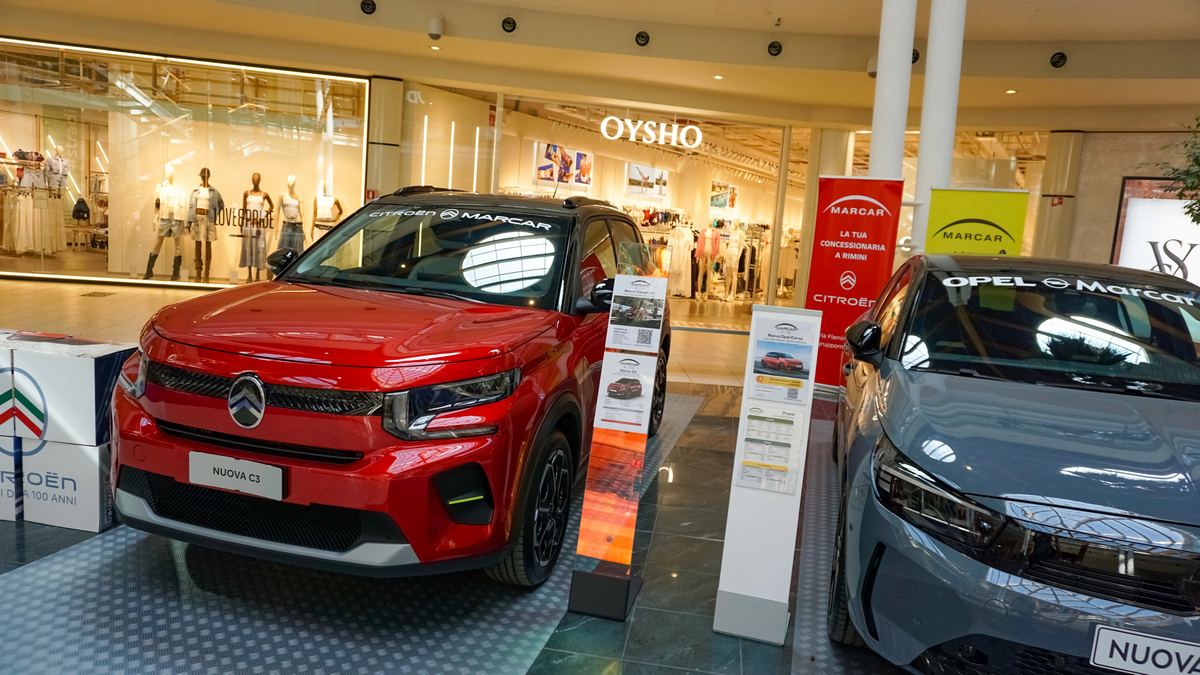
Jeep, Ram, Peugeot, and FIAT received the status of global brands and, together with the Pro One business division, will accumulate 70% of all the group's investments until 2030. Chrysler, Dodge, Citroën, Opel, and Alfa Romeo have been moved to "regional" — they remain in the portfolio but are financed on a residual basis from shared platforms and technologies.
Maserati stands separately — with the label of "pure luxury" and a promise of two new large vehicles by year-end. DS is being absorbed into Citroën, Lancia moves under FIAT's operational roof.
"The four global brands have the largest scale and highest profit potential"
— Stellantis, official FaSTLAne 2030 press release
What "regional" means in practice
For Opel and Citroën, "regional" status means primarily Europe, where both brands have real market share. But it is precisely in Europe where Stellantis plans to reduce production capacity by 800,000 units, with some factories being repurposed or opened to Chinese partners — Dongfeng Motor and Leapmotor. The situation is more complex for Alfa Romeo: a brand with no distinct home market outside Italy, pressured in the premium segment by Mercedes, BMW, and even its own Maserati.
The group promises to reduce the overall model development cycle from 40 to 24 months — critical for regional brands that will have to update quickly and cheaply on existing platforms.
Investors didn't believe
Stellantis shares fell by 7.4% on the day of presentation on the Milan exchange. According to Bloomberg, the market expected a tougher decision — liquidation or sale of some brands, not their reclassification. The group's current operating margin is only 2.5%, while the plan envisions up to 10% in North America and significant growth in Europe by 2028, when Stellantis expects to return to positive free cash flow.
- €36 billion — for development of over 60 new models and 50 upgrades
- 29 BEV, 15 PHEV/REEV, 24 HEV, 39 ICE/MHEV in the product mix
- €6 billion in annual cost savings — target by 2028
The difference between a "global" and "regional" brand in Stellantis' portfolio is not a marketing label. It's a question of whether Alfa Romeo will get its own new platform or simply new bodies on an old one. If the group fails to reach its target margin by 2028, the next strategic review could become not a classification but a list of brands for sale.