Why this matters now
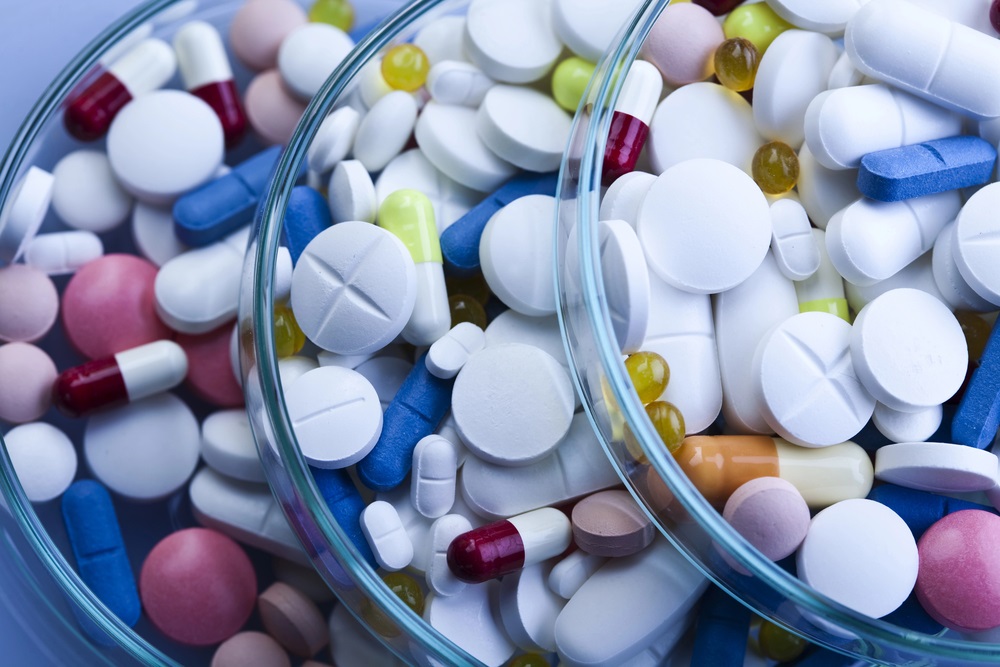
The decision to allow the sale of over-the-counter (OTC) medicines at gas station chains changes the map of access to basic healthcare. At a time when logistics and mobility are a matter of safety and economy for many communities, this can ease life for hundreds of thousands of people, especially in regions with limited infrastructure.
What was announced
Prime Minister Yuliia Svyrydenko, after meeting with Health Minister Viktor Liashko, announced that from next week over-the-counter medicines will be available for purchase at gas stations. As of today, 15 licenses have been issued and another 43 applications are under review.
"Control is ensured by the State Medicines Service"
— Yuliia Svyrydenko, Prime Minister
Control and safety
Officially, responsibility for control is placed on the State Service for Medicines and Drug Control — a key argument in favor of a safe rollout. However, practical implementation means new requirements for storage, record-keeping and staff at gas stations, as well as potential pressure on the traditional pharmacy network.
Energy resilience of healthcare
During the same meeting they also discussed energy autonomy of medical facilities as part of regional resilience plans. According to the prime minister, more than 250 facilities are already equipped with solar panels, and a further 300 are planned to be equipped by the end of the year. A pilot project to install batteries for hospitals is being prepared, prioritizing front-line regions.
"More than 250 facilities already have solar panels, another 300 will be equipped by the end of the year. We are also preparing a pilot to install batteries for all hospitals, first and foremost in front-line regions"
— Yuliia Svyrydenko, Prime Minister
Economic and market consequences
Given that the Cabinet of Ministers previously allowed the sale of OTC drugs in gas station premises (the decision is dated December 2025) and in February introduced a mechanism to increase price transparency for medicines, the key question is how this will affect prices and availability. An investigation by LIGA.net has already contacted operators (OKKO, Ukrnafta, UPG) and pharmacy chains (Podorozhnik, 911, liki.ua) to assess the impact on the business model of pharmacies and manufacturers.
What this means for the reader
In short: more access points for basic medicines can be beneficial for the population, but success depends on quality control, price transparency and compliance with rules by gas stations. For patients it's a chance to obtain needed medicines faster; for pharmacies it's a competitive challenge; for the state it's a test of the system's compliance with safety standards.
Conclusion — what to watch next
Keep an eye on three things: 1) how the State Medicines Service implements control and inspections; 2) whether OTC prices change in the coming months; 3) whether energy initiatives adhere to sustainability plans for hospitals in front-line areas. These are simple indicators that will show whether the decision truly serves safety and access, and not just temporary convenience for the market.







