Why this initiative is important right now
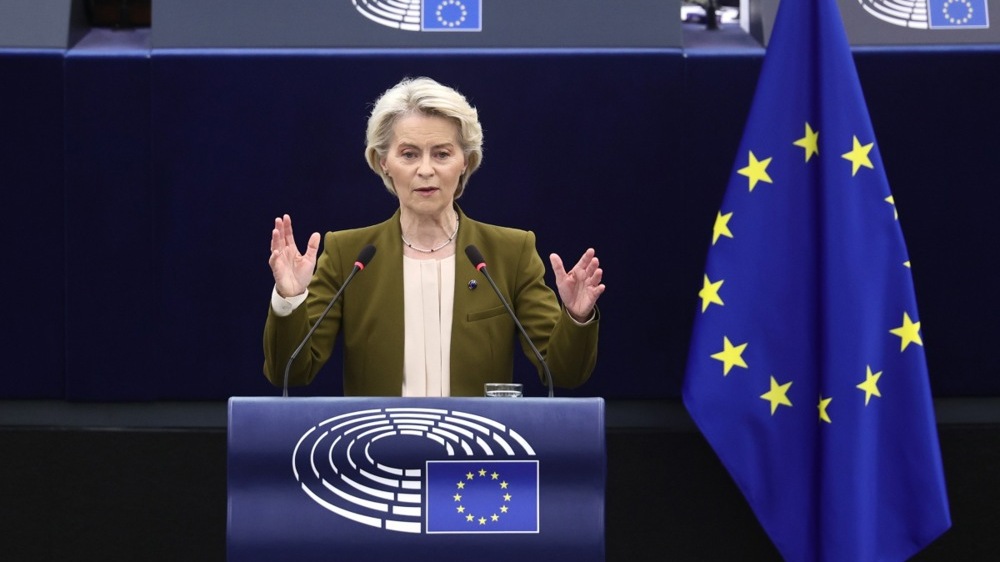
The European Commission on Wednesday, 18 March, proposed a new Europe-wide legal form — EU Inc. Under the draft, a company could be registered entirely digitally within 48 hours, costing less than €100 and without a requirement for minimum share capital. The Commission is calling on the European Parliament and the Council to adopt the proposal by the end of 2026 so that by 2028 the EU can move toward a "one Europe — one market" model.
"Any entrepreneur will be able to found a company within 48 hours from any point in the European Union — entirely digitally, for less than €100 and without a minimum share capital requirement"
— Ursula von der Leyen, President of the European Commission
What EU Inc will change
The idea is to standardize procedures through a single digital interface: information is entered once and automatically shared among national business registers, tax and social authorities. This should reduce regulatory fragmentation: the EU currently has 27 member states and about 60 national company forms; EU Inc is proposed as a 28th regime that would unify procedures and lower transaction costs for entrepreneurs.
Context and authorities
The initiative fits into a broader package of measures to strengthen the EU's competitiveness: von der Leyen outlined the idea at the World Economic Forum in Davos, stressing the loss of entrepreneurs due to bureaucracy. Market data add further context: Bloomberg in August 2025 recorded the first rise in industrial production in the eurozone since June 2022, and in January it reported preparations for a "Made in the EU" initiative — all these steps together form a new approach to market policy.
What this means for Ukraine
For Ukrainian entrepreneurs and companies operating or planning to operate in the EU, EU Inc could become a simplified channel for quickly launching subsidiaries, reaching customers and accessing investment. Fast registration lowers barriers to entry, which is especially important for startups and small businesses.
At the same time, unification also creates competition: if registration logistics and market access become easier, some businesses may choose to expand in the EU rather than reinvest in Ukraine. This means Ukrainian policy must work on multiple fronts at once — harmonizing technical standards, speeding up export certification and offering incentives to retain production and investment within the country.
Conclusion
EU Inc is not an instant revolution but a structural reform with the potential to change the rules of the game by 2028. Subsequent decisions by the European Parliament and the Council will determine the pace and scale of change. For Ukraine, this could become a window of opportunity for integration into the Single Market or an additional challenge in competing for capital and talent — the question is whether we can turn the EU's proposal into our own strategic resource.