Behind the scenes: what’s happening
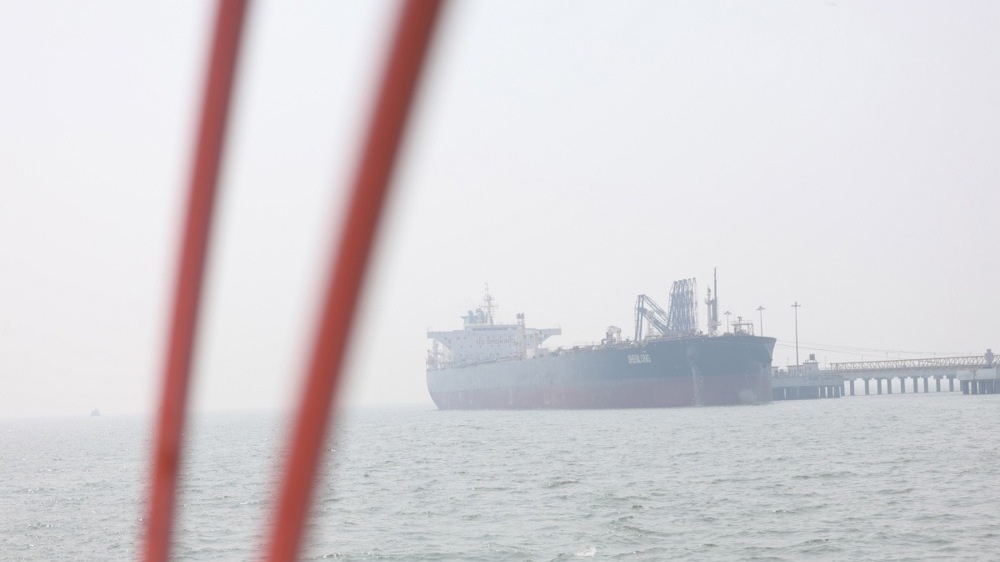
Financial Times, citing informed sources, writes that a number of European capitals, including France and, likely, Italy, have begun non-public negotiations with Tehran on the safe passage of ships through the Strait of Hormuz. The aim is to restore exports of oil and gas without widening the conflict after US and Israeli strikes on Iran that began on 28 February 2026.
The talks are currently at the stage of preliminary consultations and, as FT sources note, there are no guarantees of their success — in particular because European fleets are reluctant to take on the risk of escalation when escorting tankers.
"There are no guarantees that the talks will move forward, or that Iran is ready to negotiate on this issue."
— Two officials familiar with the talks
Why this matters for Ukraine
According to the International Energy Agency, about 20 million barrels per day passed through the Strait of Hormuz on average in 2025 — roughly 25% of the world’s seaborne oil trade. Alternative delivery routes are limited, so a disruption of maritime supplies quickly shows up in global prices and logistics costs.
The effects are already visible in Ukraine: rising fuel prices and additional pressure on inflation, as reported by LIGA.net. For businesses and households this means short-term expenses, and for the state budget — risks of higher tariff burdens and a need for macroeconomic support.
Risks and scenarios
There are several realistic scenarios: from a temporary agreement with Tehran that would reduce the risk premium in markets, to a prolonged blockade and further price increases. European flotillas, including ships from France, Italy and Greece in the Red Sea, are prepared to act cautiously because of the risk of escalation, which limits operational options to resolve the issue.
For Ukraine it is important that European initiatives be accompanied by diplomatic coordination, diversification of supplies, and financial support mechanisms to stabilize the fuel market in the event of further price spikes.
What’s next
While the talks are taking place privately, the key question is whether these contacts will turn into a mechanism that reduces risks to shipping, or remain an element of diplomatic maneuvering. For Ukraine the consequences of these decisions are not abstract geopolitics, but real money in people’s pockets and the ability to plan economic recovery during the war.
Questions for partners: will European unity and resources be sufficient to pull the global energy market out of this risk-vacuum, and what role will Ukraine play in coordinating such steps?







