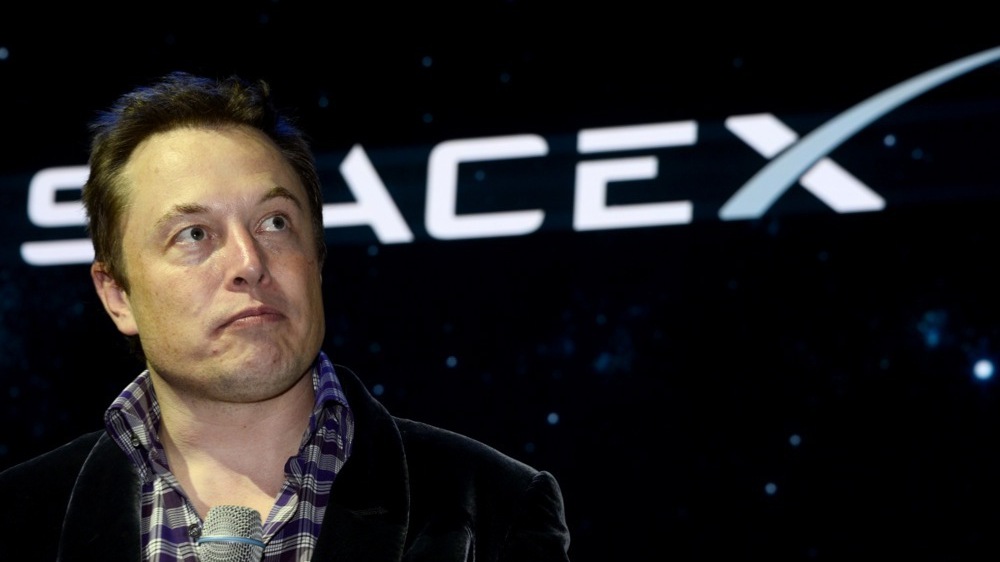
When SpaceX's underwriting banks circulated instructions to the syndicate not to accept applications from clients in China and Hong Kong, the official explanation sounded restrained: "regulatory and compliance risks." People familiar with the details clarified: the decision is based on internal guidelines regarding the American ITAR law — International Traffic in Arms Regulations.
What is ITAR and why it matters for stocks
ITAR restricts the transfer of defense technologies and technical data abroad. Formally, it is a weapons export law — but in legal practice, its boundaries are blurred. Ownership stakes in a company that develops launch vehicles and satellite systems potentially means access to sensitive technical information through shareholder reports, meetings, and audits. This is why banks treat the sale of SpaceX shares to Chinese investors as a potential violation — before any rocket design details even leave the United States.
The banks managing the placement informed syndicate members not to accept applications from investors in China and Hong Kong. In parallel, reports emerged that the SpaceX website became inaccessible from IP addresses in Hong Kong and Shanghai. Website blocking — unusual for an IPO — suggests that restrictions were implemented quickly and without public announcements.
The largest IPO in history — and a narrow circle of buyers
Underwriters of the largest primary offering in U.S. history worth $75 billion received instructions not to accept applications from investors in Hong Kong and China, citing American restrictions on the export of critical technologies.
Only about 5% of all company shares will be available for public trading after the IPO — Musk and current investors retain the majority stake and control. In other words, the market is already narrow: now it is also geographically filtered.
"The largest market that has ever existed" — this is how SpaceX leadership characterized the company's total addressable market, valuing it at $28.5 trillion.
— from SpaceX's prospectus, according to The Foreign Policy Journal
SpaceX's revenue in 2025 was $18.674 billion — 33% year-over-year growth. Starlink brought in $11.387 billion, the space segment — $4.086 billion, the artificial intelligence segment — $3.201 billion. It is Starlink — the satellite network with global coverage and military contracts — that makes SpaceX particularly sensitive from an ITAR perspective: data about traffic, geolocation, and system architecture are strategically valuable.
A precedent, not an exception
This is not the first time American defense-sector companies have restricted shareholders on a geographic basis. But SpaceX's scale makes this move significant: if the most popular IPO of the decade excludes the world's second-largest economy — this is no longer a one-off decision by a single compliance department, but a signal of how financial markets are beginning to reflect the geopolitical rift between the United States and China.
Hong Kong, which formally remains a separate jurisdiction, fell under the same restrictions — which confirms de facto the position of American banks: after 2020, the difference between "Hong Kong" and "China" in a security context has disappeared.
If the IPO succeeds and becomes a template for subsequent major technology offerings — the next question is: will companies with a smaller defense profile but with strategic data, such as cloud services or biotech, receive similar restrictions?







