Briefly — why this is worth knowing
In February 2026 the top ten most popular new passenger cars in Ukraine, for the first time in a long period, did not include a single Chinese brand, the Ukravtoprom association reported. This is not just a statistic: the change in the sales structure reflects the consequence of a political decision — the cancellation of the VAT exemption for electric vehicles — and immediately affects choices, prices and the market’s competitive landscape.
What happened
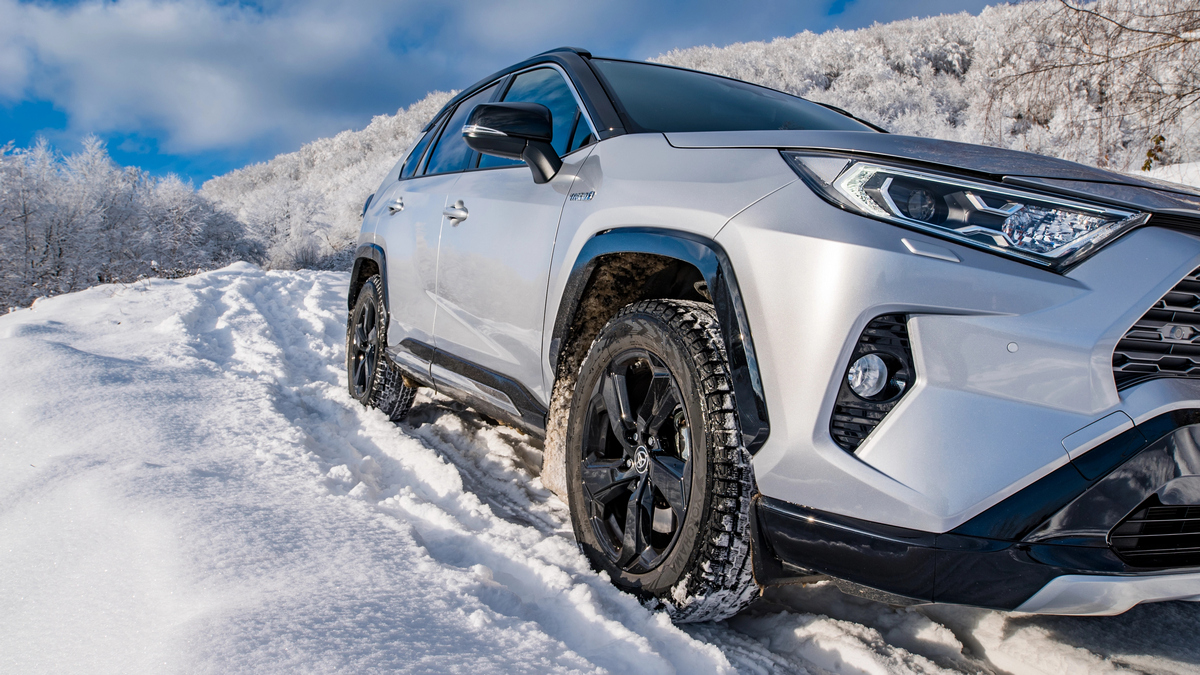
In February all places in the top 10 were taken by crossovers, mostly Japanese and European marques. The leader was the Toyota RAV4 (372 units), followed by the Renault Duster (334) and the Toyota Prado (229). The top ten also included Hyundai Tucson, Mazda CX-5, Skoda Kodiaq, Volkswagen Touareg, Skoda Karoq, Suzuki SX-4 and Nissan X-Trail.
For comparison: in January BYD still had two models in the top ten — Leopard 3 (169) and Sea Lion 06 (110).
"In February, for the first time in a long period, no Chinese brand made the top 10 — this reflects both market needs and the impact of changes in the tax regime."
— Ukravtoprom association
Why this happened
The key driver of the change was the cancellation of the VAT exemption on the import and sale of electric vehicles from January 1, 2026. VAT of 20% is now added to the cost of electric cars, which immediately raised the price for the end buyer and reduced the price attractiveness of affordable Chinese models compared with popular conventional-fuel crossovers or hybrids.
"Adding 20% VAT made electric vehicles less competitive in the affordable segment — both dealers and buyers felt this."
— a systemic analyst of the auto market
Winners and losers
Winners were brands whose offerings match the demand for practicality and affordability: Toyota strengthened its lead (854 units, +8% year-on-year). Notable growth was shown by Hyundai (+60%), Mazda (+75%) and Lexus (+56%). At the same time BMW (-42%), Suzuki (-33%) and Nissan (-22%) reduced sales.
The market as a whole weakened in February: about 4,400 new passenger cars — 10% less than in February 2025, and 15% less compared with January 2026. However, 9,500 cars have been sold since the start of the year — 4% more than last year.
What this means for buyers and the market
For the consumer the logic is straightforward: some electric cars became more expensive, so combined with confidence in reliability and service infrastructure interest in crossovers and established brands increased. For the market it means a short-term reshaping of demand; manufacturers operating in the affordable EV segment have two options: cut prices through localization/stock inventories or press for new government incentives.
Context: record and rollback
It is worth recalling that in December 2025, before the exemption was cancelled, a record almost 12,400 new cars were sold — at that time 8 of the 10 most popular models were electric. In other words, the market reacted quickly: excessive demand for electric vehicles formed under the influence of incentives; now the situation has reverted to a more traditional sales structure.
Short-term forecast
In the short term we will see: 1) a temporary strengthening of positions for European and Japanese crossovers; 2) a reduction in the share of affordable Chinese EVs in sales statistics; 3) a possible wave of adaptive measures from importers (discounts, dealer programs, stock inventory) or appeals to the state for EV support policy.
The practical question for authorities and business remains: are we ready to preserve the drive to decarbonize transport through tax incentives, or will we prioritize the immediate effects of affordability and reliability? The answer will determine whether electric cars return to the top 10 within a few months or the market is permanently restructured around traditional crossovers.







