Brief
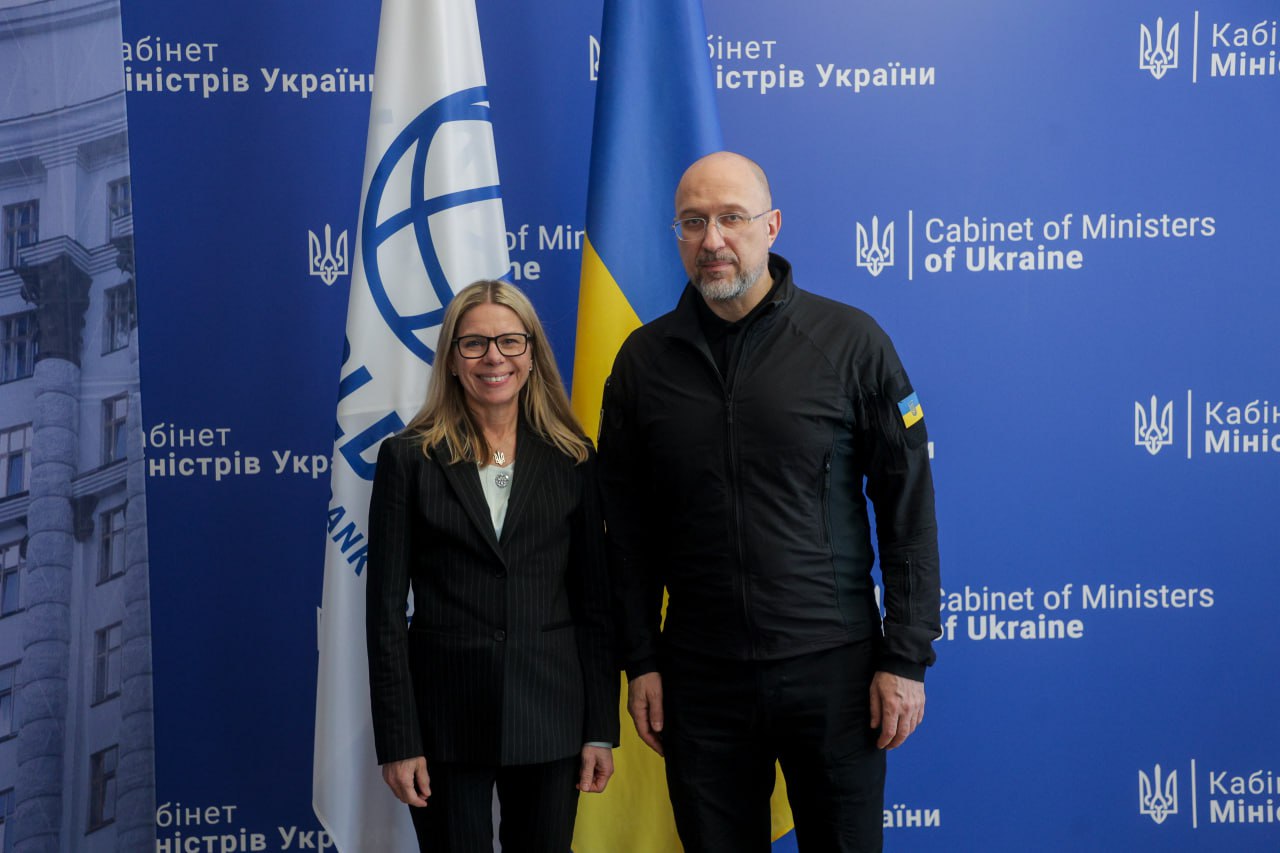
The Ministry of Energy announced the start of developing a new long-term Energy Strategy of Ukraine — the work will be carried out together with the World Bank. The document is intended to provide a practical roadmap for restoring, modernizing and integrating the energy system after several waves of targeted strikes on infrastructure.
What they plan to include in the new strategy
According to the Ministry of Energy, the new strategy is meant to combine a scenario-based approach with concrete instruments: define the role of different types of generation for system stability, strengthen energy security, accelerate integration with the European market, take into account the social dimension and reinforce market mechanisms.
"An important element in shaping the strategy is a scenario-based approach that will define the role of all types of generation for the stable operation of the energy system. The key structural elements of the future document should be energy security, integration into the European market, the social component and strengthening market mechanisms."
— Denys Shmyhal, First Vice Prime Minister and Minister of Energy
Why this is happening now
The strategy that envisaged carbon neutrality by 2050 was adopted less than three years ago. However, since then the energy sector has experienced three waves of large-scale combined strikes (spring–summer 2024, autumn 2024–spring 2025 and the current wave since summer 2025). These strikes have changed the risks for the system and shown that development scenarios must take into account not only climate and economic factors but also military threats and infrastructure resilience.
Context: security, markets, investments
Cooperation with the World Bank means the new strategy will emphasize funded projects and transparent implementation instruments. For citizens this is a matter of supply security and potential impact on tariffs; for investors — a marker of long-term policy and risk management during the war.
Corruption background
Media reports also highlight the personnel context: Herman Halushchenko, the Minister of Energy during the development of the previous strategy, has been in custody since February 17 in a corruption case involving Energoatom. NABU believes he was allegedly a key element of a kickback scheme in the state enterprise's contracts. This fact reinforces the demand that the new strategy provide mechanisms for transparency and anti-corruption reporting.
Risks and issues
The main risks are the strategy becoming a declarative document without funding and clear implementation mechanisms; the absence of independent audit of implementation; and political maneuvering that could delay execution. At the same time, there are opportunities: attracting international funds, technological modernization of grids, accelerating integration into the European energy market and increasing resilience to attacks.
Summary
The new strategy is a chance to turn the lessons of war into concrete projects: from protected networks and reserve capacities to a transparent financing mechanism. But cooperation with the World Bank alone does not guarantee results: it is important that plans be accompanied by financial commitments, anti-corruption guarantees and clear performance indicators. Now the ball is in the partners' court and in how quickly and transparently the government will turn declarations into projects that residents of every region will feel.







