Two poles of the market — two economies
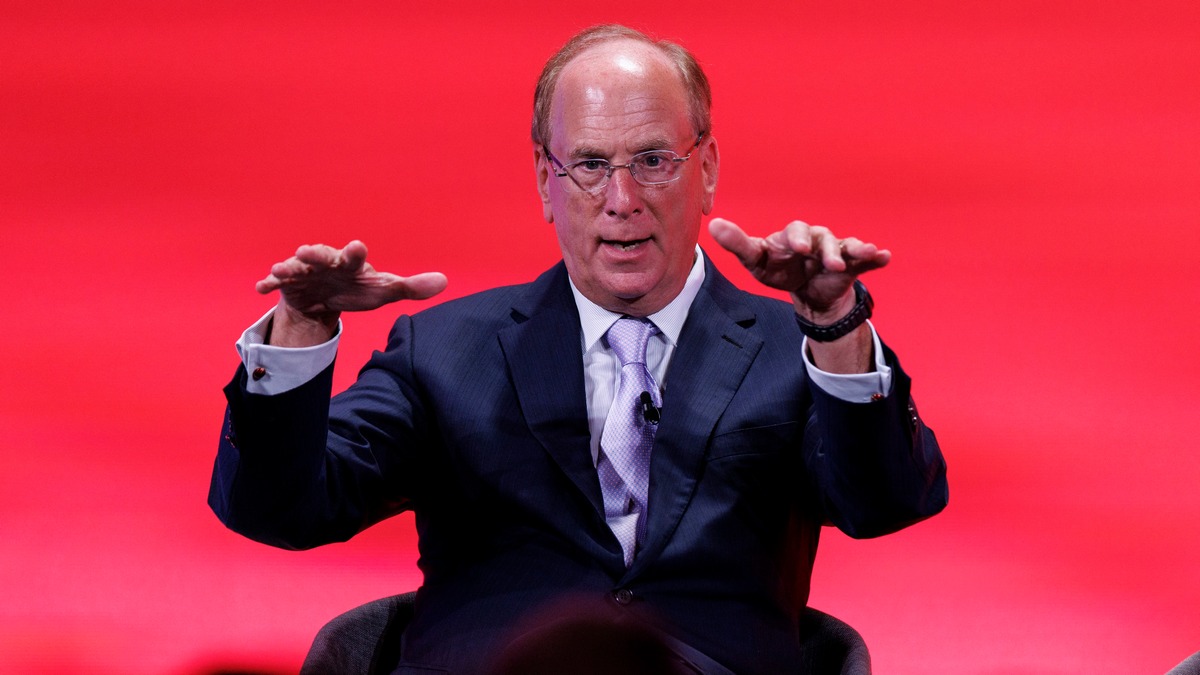
BlackRock CEO Larry Fink told the BBC about extreme scenarios for the oil price in a year: either around $40 a barrel or above $150. In his view, the "middle" approach is unlikely — events will be decided at one of the poles. The forecast from the head of the world's largest investment fund matters not only for traders but also for national economies.
"I can imagine a scenario in which oil costs $40 a barrel in a year, but you can equally assume growth above $150... everyone should realize that the 'middle' scenario most likely will not happen"
— Larry Fink, CEO of BlackRock (interview with the BBC)
Why this matters for Ukraine
In short: the oil price affects inflation, fuel costs for business and the military, and the revenues of our partners and energy suppliers. High prices increase the risks of a global recession, which will complicate financing for reconstruction and defense. Low prices provide relief to consumers but limit exporters' revenues and can restrain investment in energy, including projects important for stable supplies.
Analysts, including LIGA.net, have already outlined several possible developments: from a rapid price drop in the event of de-escalation to prolonged price increases if the threat to the Strait of Hormuz persists.
Current context affecting the risks
- On March 23, 2026, the US president announced a pause in strikes on Iran and initiated negotiations; according to unofficial reports, the US handed Iran a 15-point plan.
- On March 25, Iran reported opening a passage for "non-hostile" vessels through the Strait of Hormuz — but with restrictions and permits, which preserves uncertainty for shipping.
Practical implications and steps for Ukraine
What to do right now — briefly and to the point:
1) Strengthen energy diversification. Accelerate investment in renewables, storage, and efficiency to reduce dependence on oil and gas price swings.
2) Build financial buffers and hedging mechanisms. The government and businesses should consider instruments that soften the blow in the event of a sudden price spike or, conversely, a revenue shock on the global market.
3) Coordinate with partners. Signals from major market players (such as BlackRock) are not a forecast for one country. For Ukraine, this is an opportunity to align actions with creditors and suppliers of defense and energy resources.
Conclusion
Larry Fink's forecast is a wake-up call: the world may move toward cheap energy and growth or into a prolonged phase of expensive resources and recession. For Ukraine, what's important is not only attempts to predict the price per barrel but systemic steps toward energy resilience, fiscal flexibility, and international coordination. The question for the government and business remains open: can this market signal be turned into a security instrument — digital, energy, and financial?







