A new route worth knowing
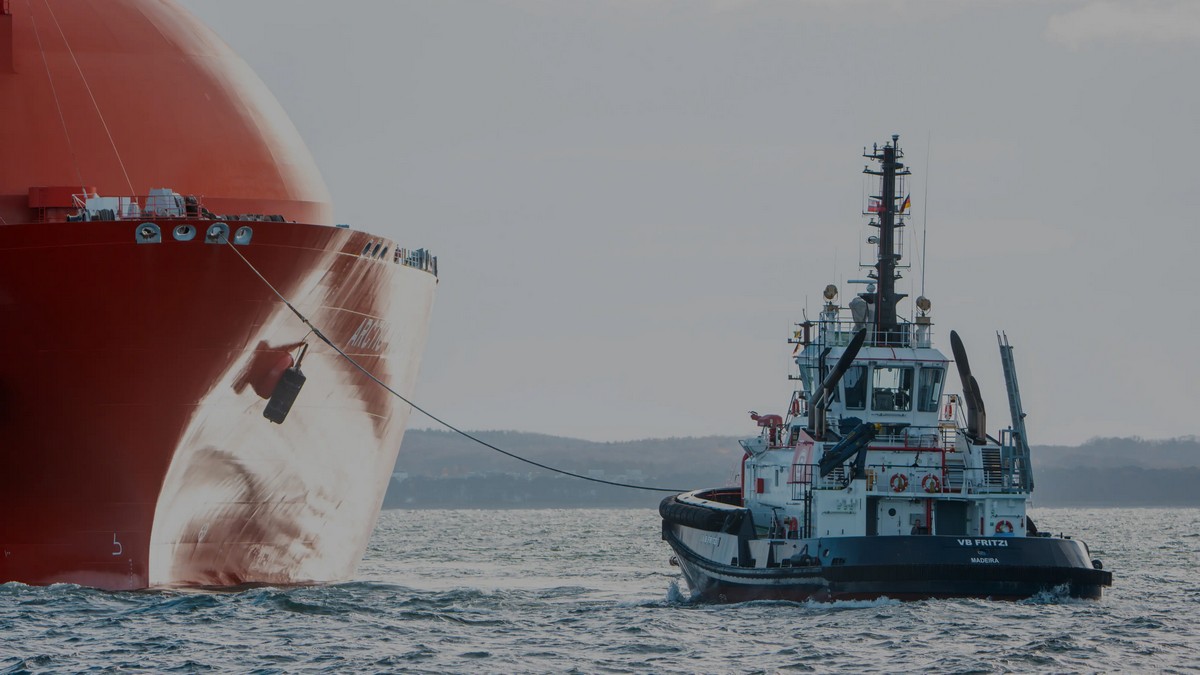
The Naftogaz group imported liquefied natural gas (LNG) through the German terminal Deutsche ReGas on the island of Rügen for the first time. The delivery was carried out in partnership with TotalEnergies, and after regasification the gas is to be delivered to Ukraine via pipelines through Poland by the end of February.
What exactly happened
According to press services of Naftogaz and Deutsche ReGas, this is the first-ever delivery of regasified LNG from Germany to Ukraine. The operation included receiving the cargo at the terminal, regasification and subsequent transportation logistics through Polish infrastructure.
"The first-ever delivery of regasified LNG from Germany to Ukraine was made possible only thanks to the professional and trusting cooperation of all partners"
— Ingo Wagner, Chairman of the Management Board of Deutsche ReGas
Why this matters for Ukraine
First, it is a matter of energy security: a route through Germany adds another entry point for imports, reducing the risks of excessive dependence on individual suppliers or routes. Second, it is a logistical precedent: using EU regasification capacities combined with transit through Poland demonstrates the flexibility of supply chains.
"This deal opens a new reliable import route for Ukraine for 2026 and could become the start of a long-term partnership"
— Serhiy Koretskyi, Chairman of the Management Board of Naftogaz of Ukraine
Context and scale
In 2025 Ukraine had to import almost 6 billion cubic meters of gas. At the same time, the first delivery from a new supplier in Greece is expected in March 2026. Thus, the new route through Germany strengthens the overall strategy of diversifying supplies.
What’s next
This is an important step, but it does not remove the need for further infrastructure, signing long-term contracts and price transparency. Energy market analysts note that to sustainably reduce risks, regular volumes and clear financial terms are required. For consumers this means: the route is a positive signal for stability, but the impact on price and gas availability will depend on volumes and agreements with partners.
Summary: a logistical and political success: Naftogaz has demonstrated the ability to launch new routes with Western partners. The next step is to turn one-off deliveries into a systemic import mechanism that will genuinely reduce risks for the country and its citizens.







