Brief: why read now
The International Energy Agency (IEA) on March 20 published a report with 10 concrete steps that governments, businesses and households can apply immediately to reduce fuel consumption. In a situation where the price of oil exceeds $100 per barrel, these recommendations are not ideology but tools to save money and reduce risks to energy markets. For Ukraine this is a matter of budget security, logistics and meeting critical needs.
What the IEA specifically recommends
- Working from home where possible — reduces daily trips and fuel use.
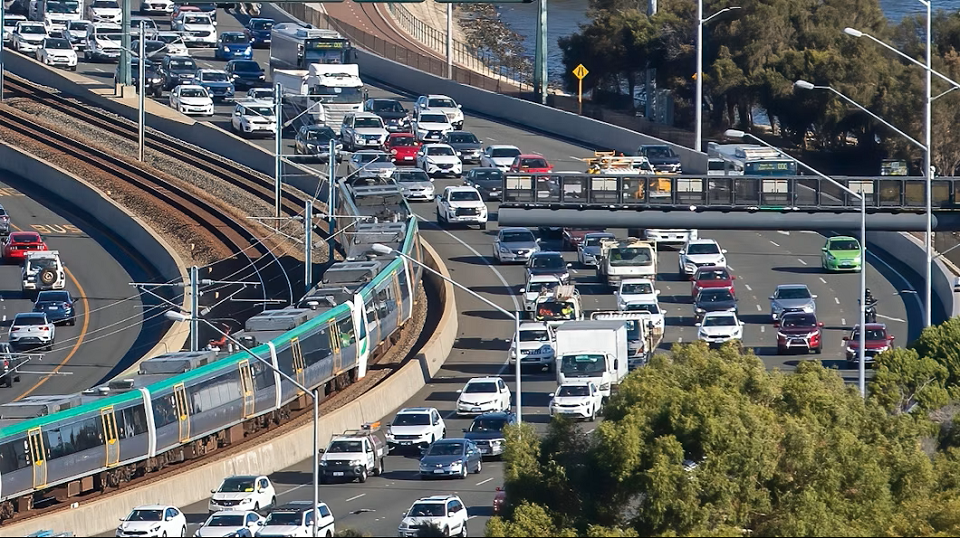
- Lowering speeds on highways by at least 10 km/h — a simple way to improve fuel efficiency.
- Encouraging use of public transport — reduces oil demand.
- Alternating access for private cars in cities (number-plate restrictions) — reduces congestion and fuel use.
- Carpooling and economical driving — more passengers per car, smoother driving style.
- Optimizing freight transport: routes, vehicle condition and load factors — saves diesel.
- Reducing use of LPG in transport to preserve it for critical needs, including cooking.
- Forgoing flights when there are ground alternatives — saves aviation fuel.
- Shifting to modern cooking methods (electric appliances) — reduces dependence on LPG.
- Improving energy efficiency in industry and switching feedstocks — long-term reduction in oil demand.
Why it matters (roots of the problem)
The IEA links the current crisis to the escalation of conflicts in the Middle East and major disruptions to shipping through the Strait of Hormuz — which accounts for roughly 20% of global oil consumption (around 20 million barrels per day). Even a record release of strategic reserves (about 400 million barrels) did not fully offset this shock. The result is rising prices not only for oil but also for diesel, aviation fuel and LPG.
"The war in the Middle East is creating a serious energy crisis, including the largest supply disruption in the history of the global oil market. Without a swift resolution, the consequences for energy markets and the economy will become increasingly severe."
— Fatih Birol, Executive Director of the IEA
What this means for Ukraine
The National Bank is already recording rising prices; LIGA.net has explained the risks of fuel shortages and the impact on gas prices for households and businesses. The European Central Bank forecasts several scenarios — in the worst case oil could rise to $150 per barrel, and inflation in the eurozone could reach around 6.3%. For our country this means double pressure: more expensive energy imports and the threat of higher logistics and defense costs.
Practical conclusions — what can be done starting tomorrow
The IEA's recommendations are a list of low-cost measures that deliver quick effects. For government and business the priorities are: accelerate support for public and freight transport, encourage carpooling, strengthen energy-efficiency programs for enterprises and the municipal sector, and reserve fuel for critical infrastructure and the Armed Forces of Ukraine (AFU). For citizens — plan trips, choose alternatives to air travel and practice economical driving.
Summary
Demand savings will not replace physical supply, but if widely implemented they can reduce price volatility and free up resources for critical needs. For Ukraine the key is to combine civic practices (fewer unnecessary trips, economical consumption) with government policy supporting transport and energy efficiency. In the short term this is a mechanism to minimize budget costs and support economic resilience in the face of an external shock.




