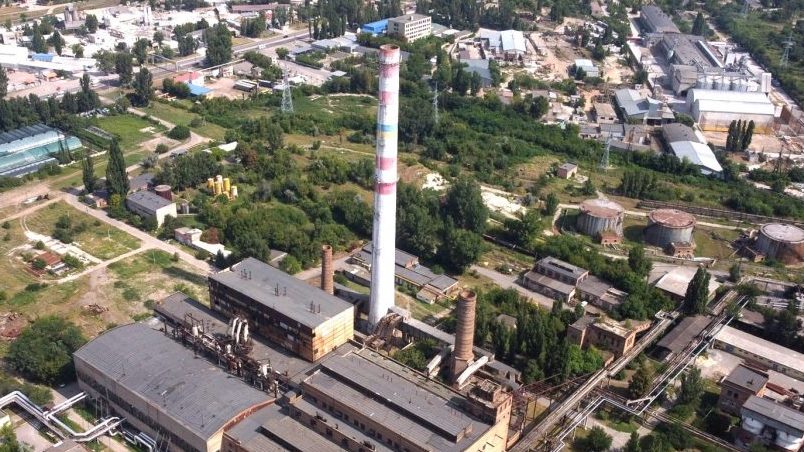
What happened
According to Serhiy Koretskyi, chairman of the board of NAK «Naftogaz of Ukraine», and Oleksandr Prokudin, head of the Kherson Regional Military Administration, the Kherson thermal power plant (CHP) suffered another series of targeted strikes. Over two days in 2026 the station was hit by more than 10 targeted strikes from artillery and drones; on Friday morning there were another four impacts.
“Due to constant shelling, the Kherson CHP can no longer operate in its usual mode. Our specialists are working on site as much as possible: assessing the extent of the damage and planning further actions.”
— Serhiy Koretskyi, chairman of the board of NAK «Naftogaz of Ukraine»
“The enemy’s goal is obvious — by deliberately striking civilian infrastructure they are trying to leave Kherson without heat this winter. This is deliberate terror against peaceful people.”
— Oleksandr Prokudin, head of the Kherson Regional Military Administration
Earlier, in early December, the CHP had already been halted due to shelling: at that time 470 buildings — more than 40,500 subscribers — were left without centralized heating. During one of the strikes on December 28 a station employee was wounded.
Why it matters
An attack on thermal infrastructure is not just physical destruction, but a direct blow to a city’s ability to survive the winter. According to the local administration, by mid‑2025 Kherson’s population had fallen to around 65,000 people (before the war — almost 280,000), and about two-thirds of them are of retirement age. This group is the least able to quickly adapt to heating outages.
Deliberate strikes on civilian infrastructure violate the norms of international humanitarian law and exacerbate the humanitarian crisis: people lose not only heat but also access to hospitals, social services and critical communications.
What is being done now
To mitigate the consequences, NAK «Naftogaz» has already delivered 1,000 electric heaters to the city and plans to send an additional 1,500 gas‑cylinder heaters. Crews are working on site to assess damage and plan restoration work. Alternative options for delivering heat and mobile solutions for socially vulnerable groups are being developed in parallel.
What this means for people and the state
First, the situation underscores the importance of reserves and rapid logistics: even when primary infrastructure is damaged, swift deliveries of heating equipment save lives. Second, it is another argument for strengthening international assistance in the energy and humanitarian spheres — both material and technical.
Energy experts and humanitarian organizations note that repairing a CHP in an active combat zone is complex and lengthy — it requires not only components but also security guarantees for repair crews. In the short term, the city depends on mobile solutions and support from the state and partners.
Conclusion: this is not an isolated episode but part of a systematic strategy that puts Kherson residents’ winter safety at risk. The authorities’ task now is to quickly turn signals of crisis into concrete resources on the ground: heaters, evacuation centers, repair crews and international aid. From now on — actions, not words.







