What happened
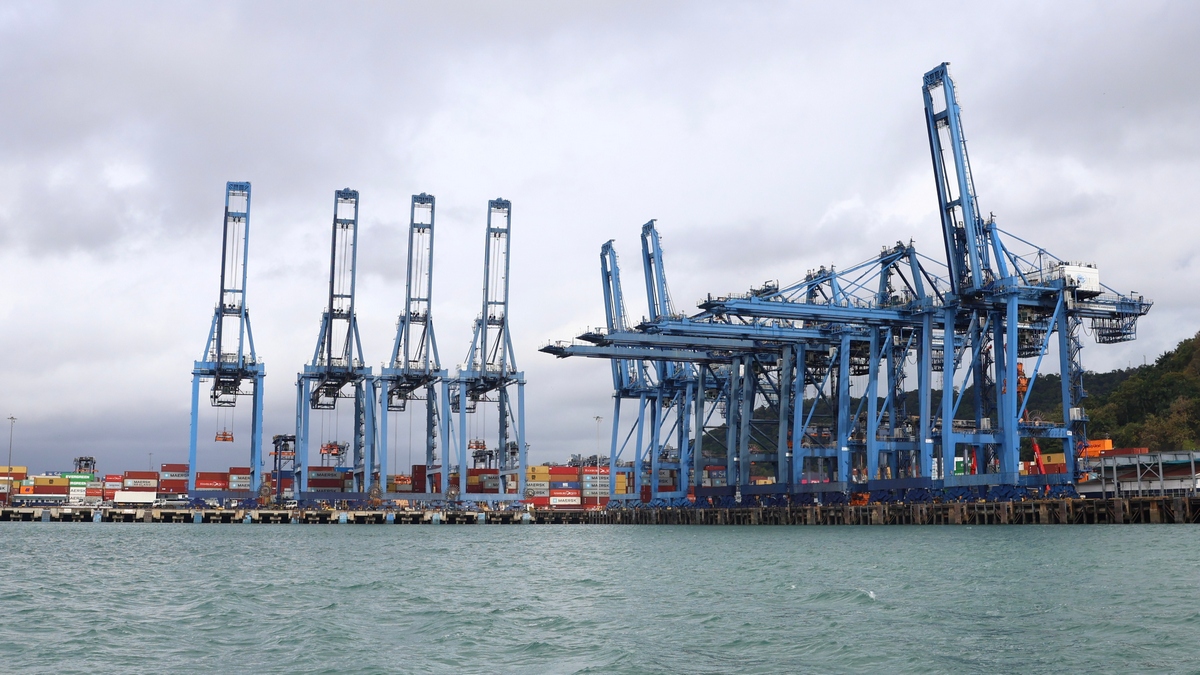
The Supreme Court of Panama declared the previous contract with Panama Ports Company, a subsidiary of Hong Kong’s CK Hutchison Holdings, unconstitutional. The government approved temporary concessionaires — the subsidiary APM Terminals (Maersk group) for the Port of Balboa on the Pacific side and the subsidiary Til Panamá (Mediterranean Shipping Company) for the Port of Cristóbal on the Atlantic side. The management will operate for up to 18 months while Panama prepares an open competitive tender for long-term concessions.
Official arguments
"From today the management will be taken over by the two largest shipping companies in the world, which are at the same time leading port operators. Port of Balboa – APM Terminals, a subsidiary of the Maersk group; Port of Cristóbal – Til Panamá, a subsidiary of the Mediterranean Shipping Company."
— José Raúl Mulino, President of Panama
"For decades the country operated in conditions of opacity. Gradually, under the pretext of managing the two ports, a de facto autonomous territory was formed where state bodies almost did not exercise proper oversight and regulation."
— José Raúl Mulino, President of Panama
Why it matters
The Panama Canal is not local infrastructure but a nodal point of global logistics. Key LNG flows and container shipments between the United States and North Asia pass through it. A change in port management affects route reliability, tariff policy and operational transparency, which directly impacts energy security in the region.
Additionally: in geopolitical terms this is about control over critical infrastructure. In spring 2025 U.S. President Donald Trump highlighted risks associated with Chinese infrastructure around the canal; now Panama seeks to regain control and minimize such risks.
What’s next — for Panama and the world
Temporary management by Maersk and MSC is a quick way to restore control and operational stability. However, a long-term solution will require a transparent tender and oversight mechanisms. Trade and security analysts note: if the tender is held according to clear international standards, it will strengthen Panama’s position as a reliable hub; if not, risks to supply chains will persist.
Lesson for Ukraine
This story is a reminder that control over port infrastructure cannot be viewed solely as a commercial operation. For the state it is an issue of security, economy and sovereignty. For Ukraine the lesson is simple: invest in transparent governance mechanisms, international guarantees and partnerships so that critical routes operate stably amid heightened geopolitics.
Summary
Panama has taken a step toward restoring state oversight over the canal’s ports by handing temporary management to Maersk and MSC for up to 18 months. This decision turns a legitimacy problem into a proving ground for new rules of the game in the region — from transparent concessions to control of strategic infrastructure. Now the ball is in the court of the open tender and international partners: can Panama turn a crisis of confidence into long-term resilience?







