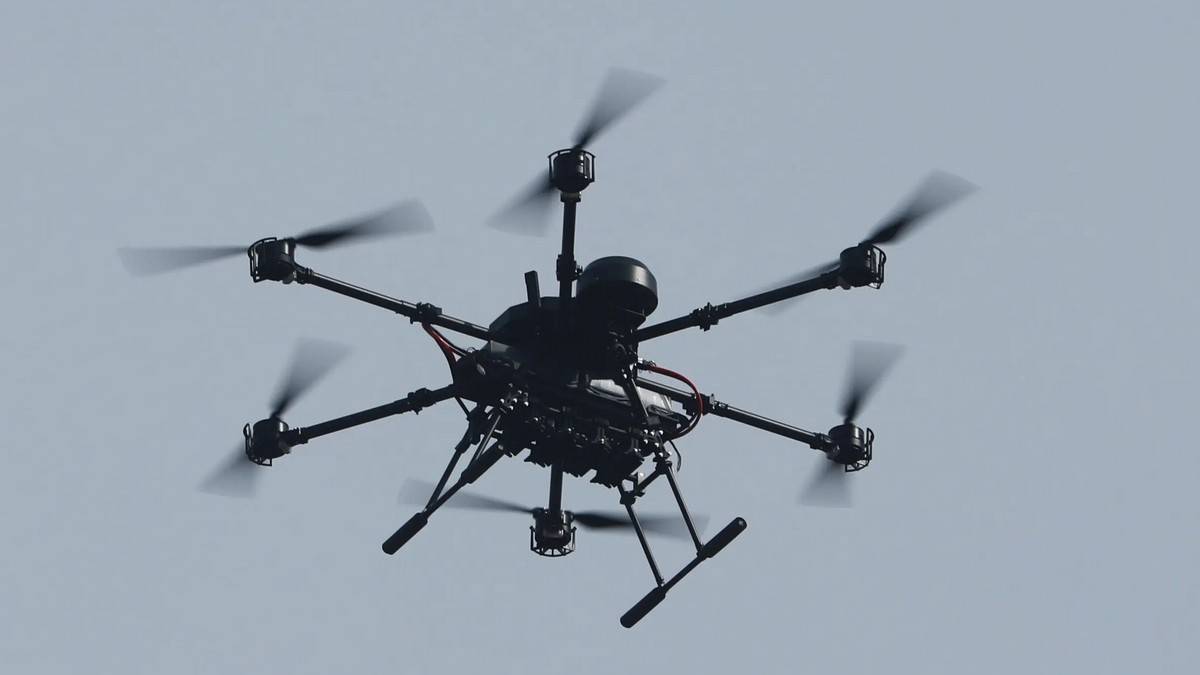
The first resident of Defence City is the producer of "Vampir" drones
Prime Minister Denys Shmyhal announced that the first resident of the new legal regime for the defense sector is a company that manufactures drones "Vampir", "Shraik" and interceptors for Shaheds. This is a signal: the state is moving critical defense production into a separate support regime to speed up modernization and strengthen supply-chain resilience.
"Defence City has officially launched"
— Denys Shmyhal, Prime Minister
What is Defence City
Defence City is a special legal regime of state support for defense enterprises, which comes into force on January 5, 2026. To become a resident, an enterprise must demonstrate strategic importance and meet defined standards, including having a certain share of defense revenue in its income structure.
What benefits residents will receive
Residents receive a package of tax and regulatory relaxations designed for long-term modernization and export capacity:
- exemption from corporate income tax provided profits are reinvested;
- exemption from land, environmental and property taxes;
- simplified customs procedures and eased export controls for military goods;
- special foreign-exchange relief measures from the National Bank;
- the ability to restrict access to certain information in public registers;
- support for relocating production and measures to increase the security of manufacturing facilities.
Why this matters now
The move comes against the backdrop of major credit support for the sector: on December 26 a consortium agreement for 21.5 billion UAH was signed for the defense-industrial complex. The combination of financing and tax incentives creates a kind of "multiplier" for investment in production, security and exports — i.e., tangible effects on the country's defense capability.
Practical effects — relocation of enterprises to safer regions, accelerated procurement of components, and increased rates of serial production of interceptors and reconnaissance UAVs — could be felt in the medium term, if implementation mechanisms work quickly and transparently.
What's next
Key risks are bureaucratic delays in selecting residents and insufficient oversight of the use of benefits. A winning scenario requires government declarations to be turned into signed contracts and concrete infrastructure projects.
Brief forecast: if the state ensures a transparent selection environment and control over reinvestment, Defence City could become a catalyst for modernization of the defense-industrial complex. If short-term gains prevail, the impact of the benefits will be much smaller.







