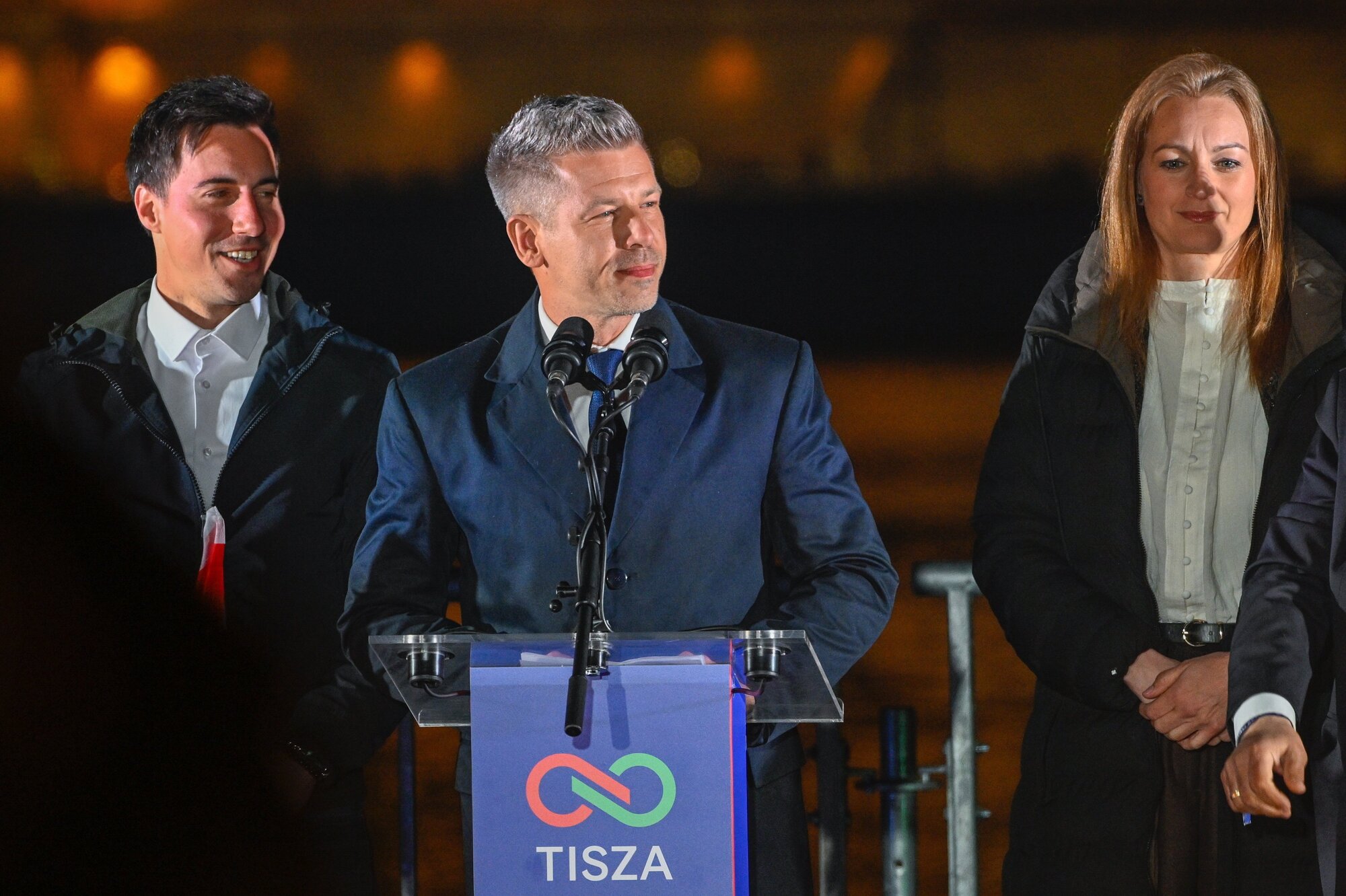
Peter Madar won the election on Sunday. By Wednesday, he was already on the air at Kossuth radio — the same station that had been broadcasting Orban for years and had effectively barred Madar himself from the microphone for nearly a year and a half. The symbolism is intentional.
"Every Hungarian deserves public broadcasting that transmits the truth. One of the first steps will be to halt news broadcasts on public television and radio"
Peter Madar, Kossuth radio
According to Bloomberg, Madar stated that broadcasts will be suspended until unbiased coverage is guaranteed. He said that state media had spread fear and lies to keep Orban in power.
What exactly he wants to halt
This concerns the MTVA network — a public broadcaster that controls the country's main television and radio network. According to Gamereactor, Madar also proposed creating an independent oversight body, possibly modeled after the BBC, to ensure editorial neutrality.
But MTVA is only part of the problem. According to data from Reporters Without Borders, Orban supporters control 80% of Hungarian media through two structures: KESMA covers the private sector, MTVA covers the public sector. Orban cemented this control legislatively, so Madar's first task will be a legislative overhaul of the entire system.
How this system was built
After Orban's return to power in 2010, the Fidesz party systematically restructured the media landscape: replacing regulator leadership, consolidating the public broadcaster, and firing independent journalists. According to Heinrich Böll Stiftung, over 1,000 journalists lost their jobs in this process.
The culmination came in 2018: pro-government businessmen simultaneously transferred their media assets to a single KESMA foundation — without competitive review, as the government declared the merger a "matter of national strategic interest." KESMA now combines over 470 media outlets.
Madar has more than his predecessors
The Tisza party won a constitutional majority — more than two-thirds of the 199 parliamentary seats. This means Madar can amend the constitution without coalition compromises. The government plans to form by early May.
However, a constitutional majority does not resolve the issue of the private media space: KESMA is legally an independent foundation. Breaking up this structure through antitrust legislation is a separate and significantly longer process, and the media regulator is still filled with cadres loyal to Orban.
If Madar truly halts news on MTVA — this would be an unprecedented step for the EU: no member state has silenced state broadcasting for reform motives to date. The question is not whether he has the legal authority — he does. The question is whether the European Union will agree to consider temporary state media silence a lesser evil than propaganda — and whether this precedent will become a tool for less democratic successors.







