The figure of 1505 MW looks convincing, but behind it lies an uncomfortable prehistory. The first stage of this same competition ended with business guaranteeing only 78.1 MW out of the planned over 1300. That is, less than 6% of the target. This is why the Cabinet of Ministers moved to a second round — and this time rewrote the rules.
What changed and why it matters
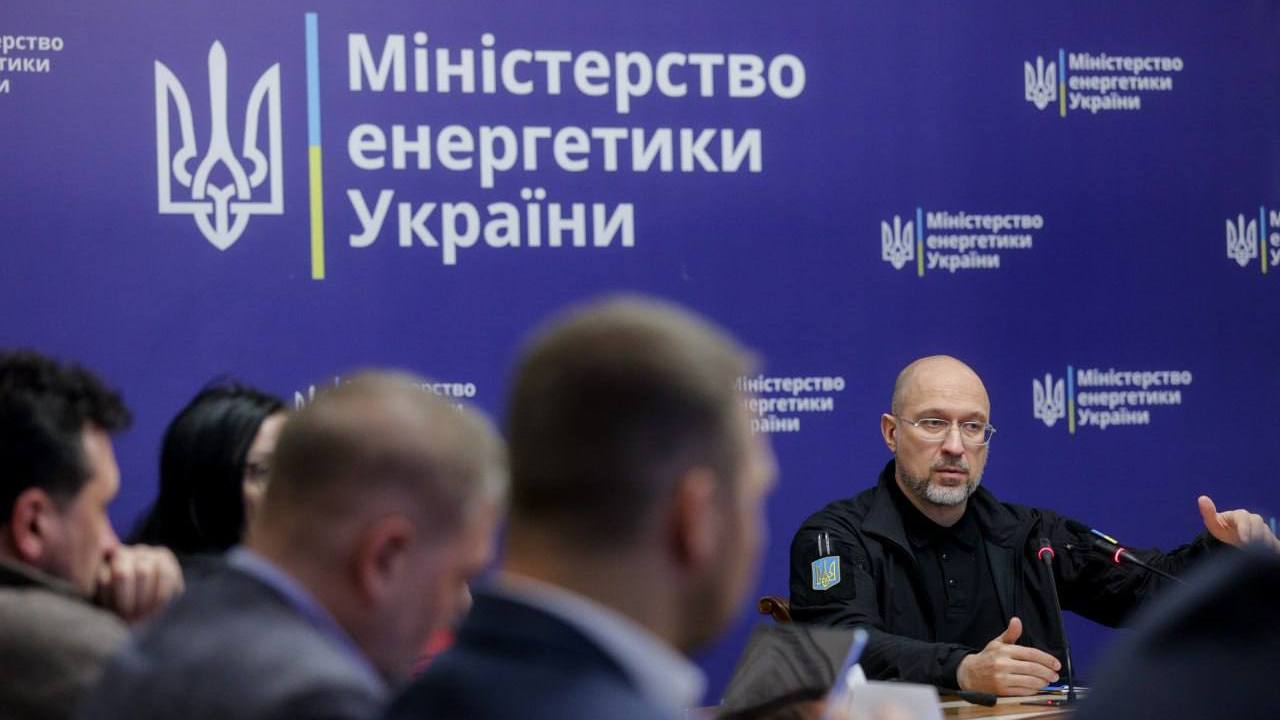
According to First Vice Prime Minister and Energy Minister Denys Shmyhal, the government took investor concerns into account for the second stage. Now each facility must have at least 10 MW of guaranteed capacity and mandatory — a second level of protection against attacks. Small projects that "diluted" the previous competition will no longer pass.
The financial model remains: the state through "Ukrenergo" pays a market premium for 10 years — but only when electricity prices during morning and evening peak hours fall below the competitive rate. Maximum — 27.92 euro cents per kWh, and this payment applies for the first 5 years after commissioning.
"The winner commits to building the required capacity within clearly defined timeframes, and the state ensures the necessary incentives and conditions."
Denys Shmyhal, First Vice Prime Minister, Energy Minister
The Dnipropetrovsk lot: logic, not generosity
The new 183 MW lot for Dnipropetrovsk region is not a bonus, but a response to front-line geography. The Dnipro energy hub supplies both Dnipropetrovsk and Zaporizhzhia regions simultaneously — areas where constant shelling destroys generation faster than it can be restored. Without additional distributed capacity here, there is the greatest risk of cascading blackouts.
The overall picture of second stage lots:
- Sumy, Kharkiv, Poltava — 872 MW (closest to the front)
- Kyiv and Cherkasy — 250 MW
- Dnipropetrovsk — 283 MW combined (100 MW initial + 183 MW new)
- Odesa — 100 MW
Deadline — December 2027. And this is a problem
Construction of new facilities, according to Shmyhal, should begin by the end of November. All planned capacity — commissioned by the end of 2027. The interval between "start of construction" and "commissioning" is less than two years, and this for facilities that do not yet have competition winners or grid connections.
For comparison: since the start of the full-scale invasion, Ukraine commissioned 1.4 GW of new gas generation in total — and that was over three and a half years. Now the government plans to add another 1.5 GW in exactly two.
If the second stage repeats the fate of the first and business again guarantees a percentage instead of gigawatts — the real indicator will be not the Cabinet's figures, but the number of signed contracts with "Ukrenergo" after the three-month application submission window closes.







