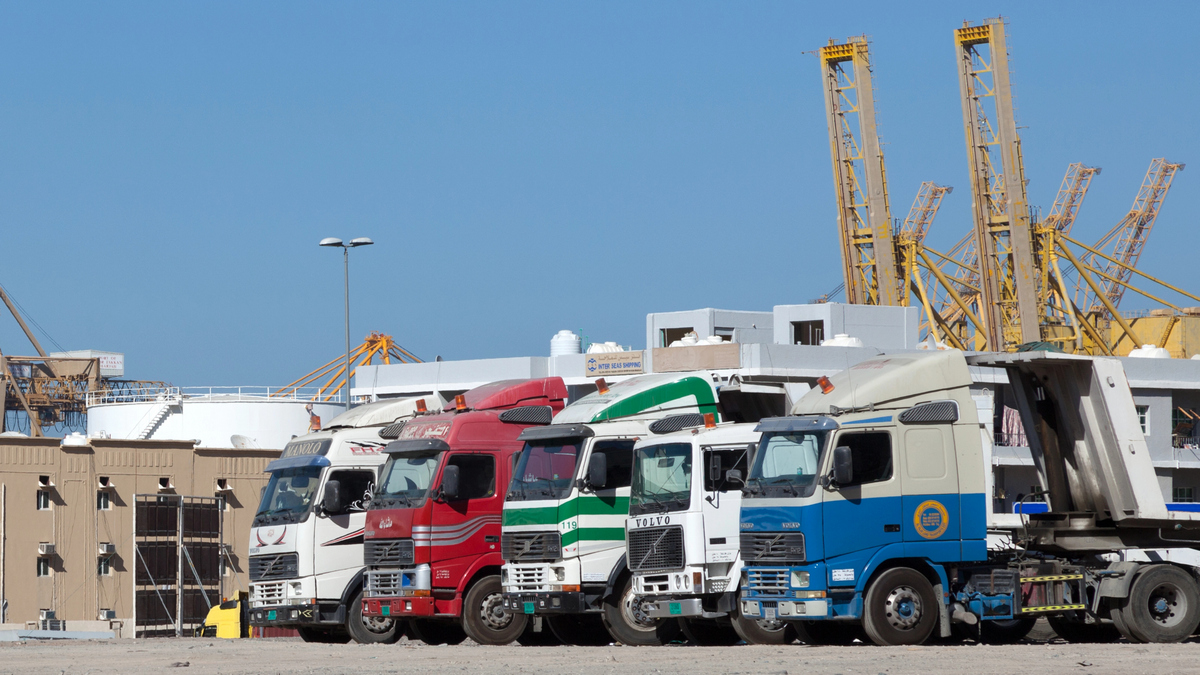
A repeated strike on the port of Fujairah on February 16 again exposed the vulnerability of energy infrastructure in the Persian Gulf. This is not simply a local accident — it concerns a route that bypasses the Strait of Hormuz, and the consequences for supplies and maritime security. We examine what happened and why this matters for the global economy and partner security support.
What happened
According to the Fujairah press office, the port suffered another strike on February 16; official reports indicate a large fire and a temporary suspension of oil transshipment operations, as confirmed by the Reuters agency. Open reports also mention a previous incident — in some sources the date of the prior attack differs, which should be taken into account when further analyzing the reports.
The port of Fujairah is a key export hub for the UAE, connected to the Habshan oil field via the ADCOP pipeline. Unlike most emirate routes, it is not dependent on the Strait of Hormuz, so damage to it creates different, specific risks for oil logistics.
Why this matters
First, strikes on infrastructure increase the risk of delays and bottlenecks in oil deliveries, which immediately affect futures and shipping insurance. Second, escalation in the region stimulates a heightened military component — protection of trade routes, additional naval patrols, and the redeployment of partner fleets.
It is also a signal for international investors: infrastructure risks raise the cost of logistics and insurance, and therefore affect energy prices and the budget calculations of importing countries.
Consequences for the region and for Ukraine
Escalation in the Persian Gulf has several channels of impact on Ukraine. Rising energy prices may increase logistics and defense costs; at the same time, market volatility creates an additional backdrop for the diplomatic efforts of our partners. For Ukraine it is important to monitor mood in the US and the EU: if the conflict diverts their attention or financial resources, this could complicate both political and material support for Kyiv.
In the short term, expect increased attention to the security of sea lanes, a strengthened military presence of Western fleets in the region, and a possible tightening of sanctions policy against parties that escalate the conflict.
Quotes
“American business in the UAE, including ports, berths and military facilities, are legitimate targets for strikes.”
— Islamic Revolutionary Guard Corps, official statement
“A large fire broke out after the strike, oil transshipment operations were suspended.”
— Reuters
“This conflict is taking on the features of a geopolitical catastrophe for the United States.”
— Francis Fukuyama, political scientist
Conclusion
While diplomacy seeks answers, the real consequences will be measured in energy prices, insurance, and naval presence at sea. It is important for Ukraine to monitor these processes and work with partners on two levels: diplomatic — to minimize regional escalation, and economic — to reduce the shock from possible market fluctuations. The question for the international community remains open: will signals and statements turn into concrete steps to protect critical infrastructure?







