Brief and to the point
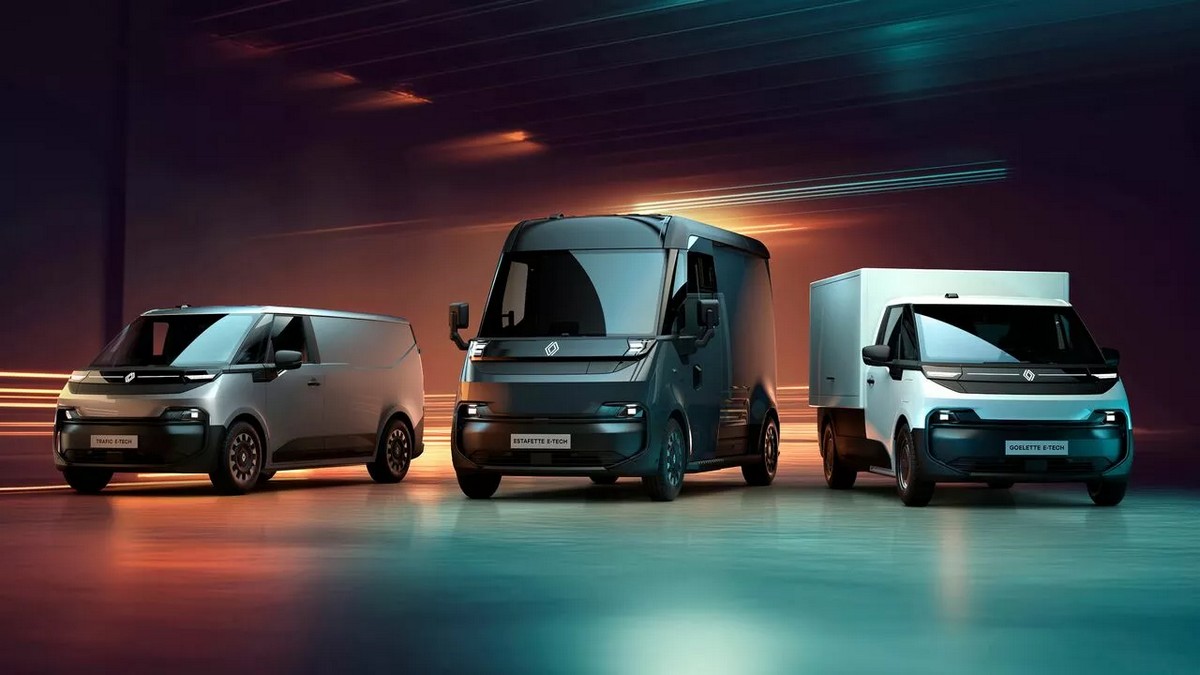
Renault Group announced on February 23 the buyback of Volvo's and CMA CGM's stakes in the joint venture Flexis. After receiving clearance from antitrust authorities, Renault will become the sole owner of the project that is developing a new generation of electric light commercial vehicles (LCV).
"It was an initiative that was called 'the Tesla among vans' — a project with big ambitions for the electrification of commercial transport."
— Luca de Meo, then chairman of Renault
Why this happened
According to Le Monde, after a management change at Renault tensions grew among Flexis shareholders: the company under the leadership of new CEO Francois Provost acknowledged that the pace of electrification in the truck market was slower than expected and proposed revising the business plan. Volvo and CMA CGM, by contrast, remained convinced of the long‑term merits of the investment.
The conflict was so serious that Flexis management went to court seeking mediation, and afterwards the shareholders agreed that Renault would buy the stakes. Initial commitments envisaged investments of €300 million from Renault and Volvo and €120 million from CMA CGM over three years.
"After receiving approval from antitrust regulators Renault will become the 100% owner of Flexis."
— Renault press service
What Flexis is developing and when it will appear on the market
Flexis is working on the Trafic E‑Tech and other models on Renault's new platform. According to Automobile Propre, the first model allows charging the battery from 15% to 80% in less than 20 minutes. Production is planned to start at the end of 2026, with sales in 2027.
Consequences for the market and competitors
The advantage of a single owner is faster strategic decision‑making and the reallocation of investments to match actual demand. For Renault it is also a way to consolidate its position in the LCV segment, where in 2025 the company held about 28.7% of the French market, second only to Stellantis (38.2%).
Alongside this deal, Renault is developing alliances: in December 2025 the company and Ford announced a strategic partnership to produce affordable electric cars for Europe — a factor that could affect the cost and scaling of technologies for commercial models.
What this means for Ukraine
Undoubtedly, this is not a direct event for the Ukrainian market. However, the shift of European manufacturers to electric LCVs has several implications that are important for Ukraine:
- reconstruction logistics: cheaper and more efficient electric vans reduce costs during large‑scale repair and construction works and the delivery of aid;
- energy independence: electrification reduces the need for diesel fuel and increases the role of local energy systems and renewable energy;
- integration opportunities: Ukrainian suppliers and service providers could become part of European chains — from components to fleet maintenance.
Analysts and industry publications note that accelerated production and lower costs of electric LCVs open additional opportunities for states and companies planning infrastructure reconstruction.
Conclusion
Renault's move to full control of Flexis is a pragmatic step to resolve strategic issues more quickly and to align investments with new demand realities. For Europe this could mean faster scaling of electric vans; for Ukraine — additional opportunities in logistics and energy‑efficient reconstruction. The key now is whether declarations and agreements will turn into mass production and competitive prices for end users.







