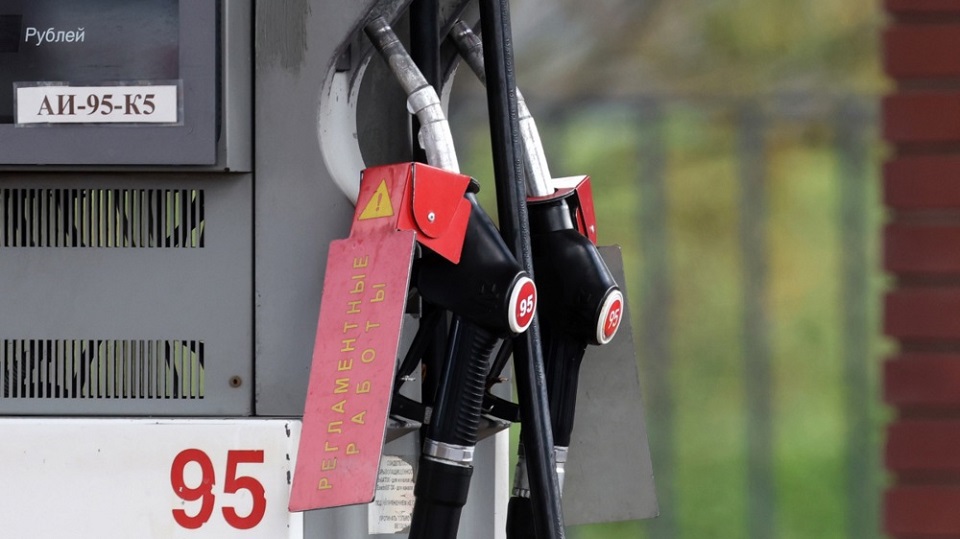
What happened
Russia’s Deputy Prime Minister Alexander Novak ordered the preparation of a draft law to fully ban gasoline exports from April 1. The information was published on the official website of the Russian government; several sources familiar with the course of Novak’s meeting with heads of oil companies confirmed the initiative (Interfax, TASS).
"Prepare a draft law to fully ban gasoline exports from April 1"
— Official website of the Russian government
Context: why now
The decision coincides with several events: Reuters and Bloomberg reported a halt to processing at the large KINEF refinery after drone attacks, and the ports of Primorsk and Ust-Luga temporarily suspended shipments of oil and oil products. Although Bloomberg later noted the resumption of operations at the Primorsk terminal, the incidents highlighted vulnerabilities in supply chains.
What the ban means for Russia
For Moscow, such a decision is a way to curb domestic price increases and prevent fuel shortages inside the country. Historically, the Russian government has already imposed similar restrictions during sharp price swings and logistical disruptions. At the same time, the ban reduces external receipts from exports of petroleum products, which carries macroeconomic consequences for the budget.
What the ban means for Ukraine and the region
For Ukraine the main risks and opportunities lie in logistics and prices. A short-term ban on Russian gasoline exports could:
- ease pressure on regional supplies of petroleum products if Russia redirects resources to the domestic market;
- indirectly affect prices in Ukraine through changes in shipping routes and the redistribution of transit flows;
- become an additional argument in international discussions about the security of energy infrastructure — that is, another sign that strikes on refineries have an economic impact.
Uncertainty and scenarios
So far the duration of the ban has not been officially stated: media reports mention periods ranging from several weeks to the end of July or even the end of the summer. Key nuances:
- for now it concerns gasoline; the question of diesel was not formally raised;
- the actual duration will depend on the condition of refineries and the balance between domestic demand and processing capacity;
- market participants and analysts at Bloomberg/Reuters are watching ports and production — this will determine whether a temporary shortage emerges and how quickly prices return to pre-crisis levels.
Conclusion
Moscow’s decision to ban gasoline exports is not only an internal measure against rising prices: it is an indicator of how vulnerable Russian energy has become after strikes on infrastructure. For Ukraine, it is important to monitor changes in transit and pricing, strengthen logistical resilience, and use this episode in diplomatic and trade negotiations on the region’s energy security.







