Why this matters now
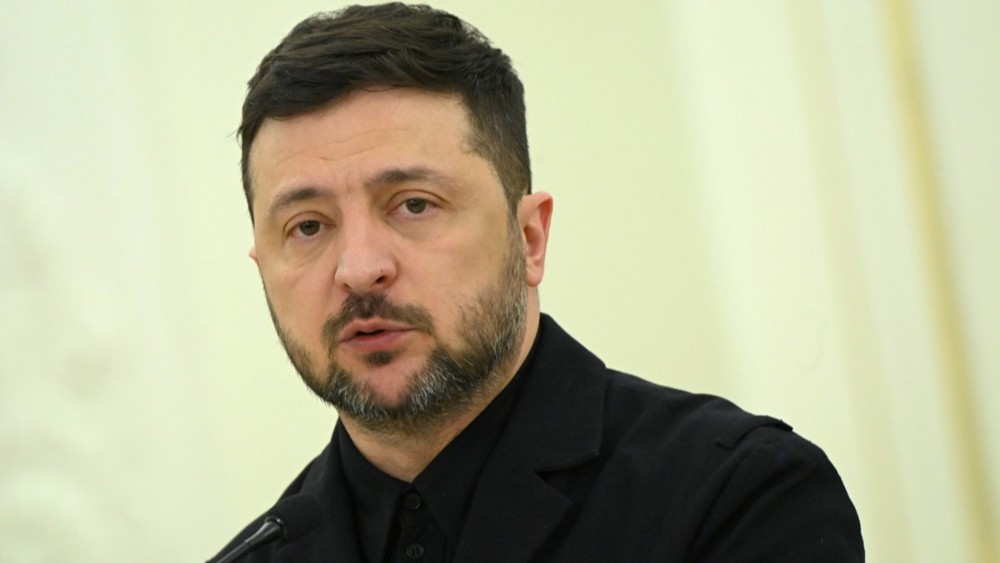
In high diplomacy, concrete supply channels matter more than loud statements. President Volodymyr Zelenskyy, in a major telethon interview, said he is personally pushing the issue of supplying Ukraine with diesel fuel — a first-order problem, because up to 90% of the potential shortfall here falls on diesel.
"Russia is definitely helping Iran. Ukraine provides precise expertise to countries [in the Middle East] to protect civilian infrastructure... I have a question regarding the diesel shortage from the Cabinet... and NAK Naftogaz. I understand the tasks for Ukraine's security. I believe this is an issue I am resolving"
— Volodymyr Zelenskyy, President of Ukraine
What was the catalyst
Global energy prices jumped after the escalation between the US, Israel and Iran — this is reflected in logistics, ship insurance and fuel availability. LIGA.net and other analytical outlets have explained how this geopolitical turbulence affects fuel costs and the risks of shortages.
Who is being engaged and why
According to reports, on March 27 Ukraine negotiated defence cooperation with Saudi Arabia — a country that has large production capacities for petroleum products and logistical delivery capabilities. The government and the president are simultaneously advancing contacts with a number of Middle Eastern countries to secure imported diesel supplies and reduce risks to the domestic market and critical infrastructure.
The market has already reacted
Prices at gas stations rose: on March 27 OKKO and WOG raised the price of all types of diesel by 1 UAH/l — to 87.99 UAH (standard) and 90.99 UAH (premium). On the state UKRNAFTA prices also increased by 1 UAH — to 81.99 and 85.99 UAH respectively, reports the sectoral resource Naftorynok. This indicates that the risk of shortages and price increases has already been partially priced into the market.
Expert assessment
"Middle Eastern countries will mostly maintain a neutral position in the Russia–Ukraine war, but for Kyiv neutrality combined with economic cooperation is a practical resource"
— Analyst Kusa, comment to LIGA.net
Consequences for Ukraine
Diesel in our economy is not just about gas stations. It is transport movement, the operation of thermal generators at critical facilities, fuel for agricultural machinery during the sowing season, and logistics for military units. Ensuring regular supplies will ease inflationary pressure, preserve supply chains in the agricultural sector and reduce risks to the army's operational mobility.
What next
The president's statements are the first step. Next are contracts, logistics, insurance solutions and the rapid creation of strategic reserves. While attention is fixed on diplomatic gestures, the real work is in negotiating volumes, prices and delivery routes.
Question to watch: will the diplomatic agreement turn into stable supplies that lower prices and meet the critical needs of the front and the economy?





