What is known
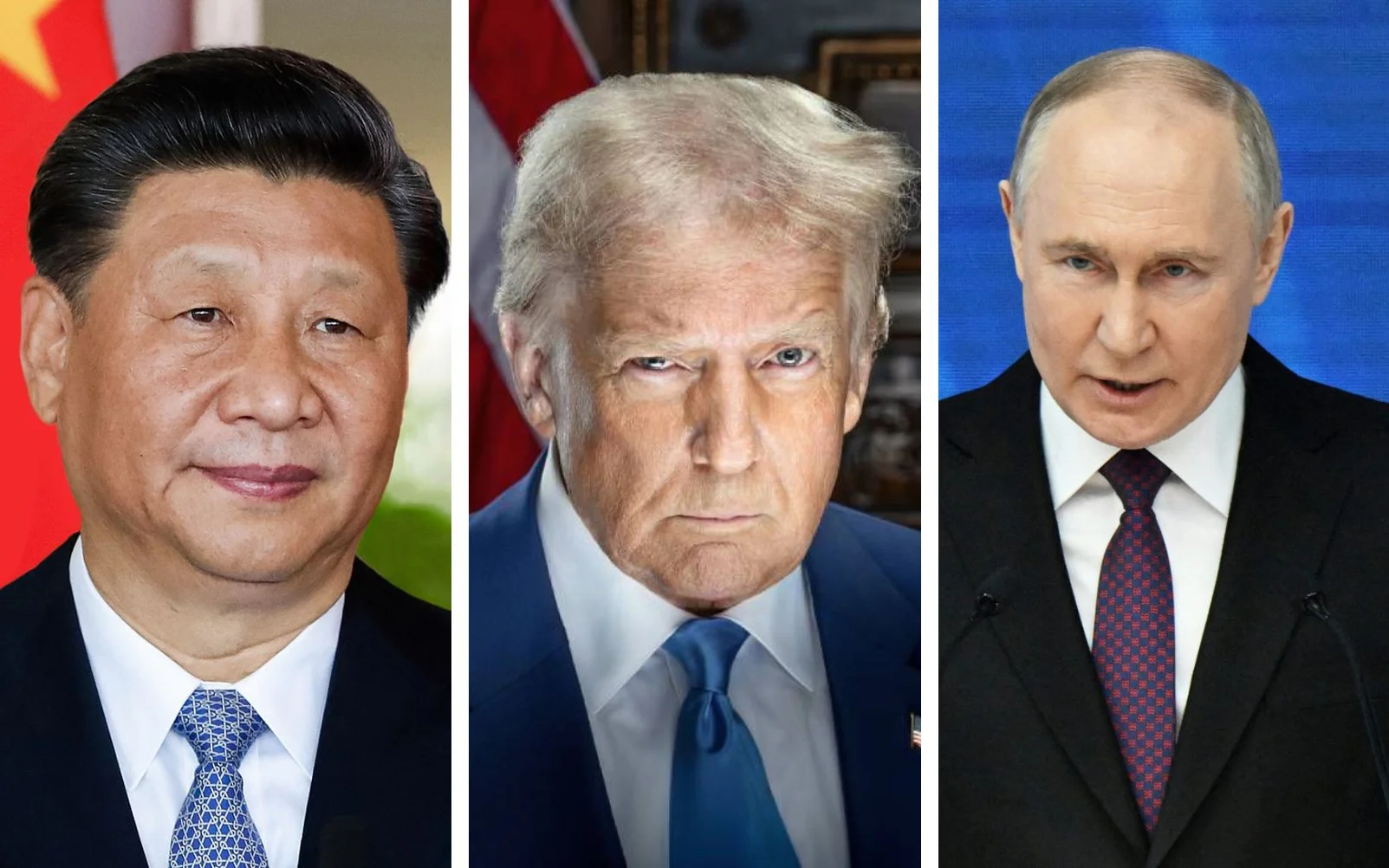
South China Morning Post (SCMP), citing unnamed sources, reports that Russian President Vladimir Putin may visit China in the first half of 2026 — likely in May, and, according to some reports, immediately after a visit by U.S. President Donald Trump. Trump's trip is planned for May 14–15; its dates were previously postponed due to U.S. and Israeli military actions in Iran. Beijing has not yet officially confirmed specific dates.
Official reaction
"Both sides support communication about the visits, but are not providing details."
— Lin Jian, spokesperson for China’s Foreign Ministry (according to media reports)
Why this matters for Ukraine
First, a simultaneous diplomatic focus on Beijing is not merely ceremonial. If China hosts the leaders of the U.S. and Russia in the same month outside a multilateral event, it would create a platform for parallel signals and behind-the-scenes agreements that shape the global balance of power.
Second, this has direct consequences for support to Ukraine: diplomatic maneuvers by major powers determine the priorities for sanctions, the scale of military and intelligence assistance, and allies' willingness to risk escalation. As President Volodymyr Zelensky has noted, Moscow has already tried to use diplomatic pressure in matters of information exchange; such meetings could change the format and intensity of those negotiations.
Analysts, including representatives of the Institute of World Policy, point out that the updated U.S. security strategy has placed China at the center of Washington's foreign-policy focus. Ukraine remains important to the U.S., but increasingly in the context of deterring Russia — therefore assistance will be pragmatic and tied to U.S. interests regionally and globally.
Possible scenarios and consequences
Scenario 1 — independent visits: Trump and Putin arrive separately, without direct coordination. Beijing would use this as an opportunity to showcase its diplomatic weight, but without acting as a mediator in conflicts.
Scenario 2 — synchronous signals: If the visits occur within the same month, China could serve as a venue for indirect agreements. This could potentially weaken pressure on Russia, or conversely be used to restrain it — depending on which instruments of compromise Washington and Beijing select.
For Ukraine the key question is whether these diplomatic contacts will be turned into concrete commitments — supplies, sanctions against Moscow, or security guarantees. Without such a conversion, the attention of major capitals will remain rhetorical, and our risks high.
What Ukraine should do
Ukraine needs to act proactively: secure bilateral agreements with partners, propose concrete roadmaps for support, and emphasize the contribution of Ukrainian security to pan-European stability. Institutional work by diplomacy and intelligence among allies should become less visible but more effective.
Conclusion
The possible simultaneous presence of the U.S. and Russian leaders in Beijing is not a show, but a geopolitical tool. For Ukraine, the main priority is to prevent diplomatic interest from becoming a substitute for real assistance. Whether partners can transform diplomatic focus into concrete guarantees is the key question in the coming months.
Sources: SCMP, statements from China's Foreign Ministry, LIGA.net, comments from experts at the Institute of World Policy.






