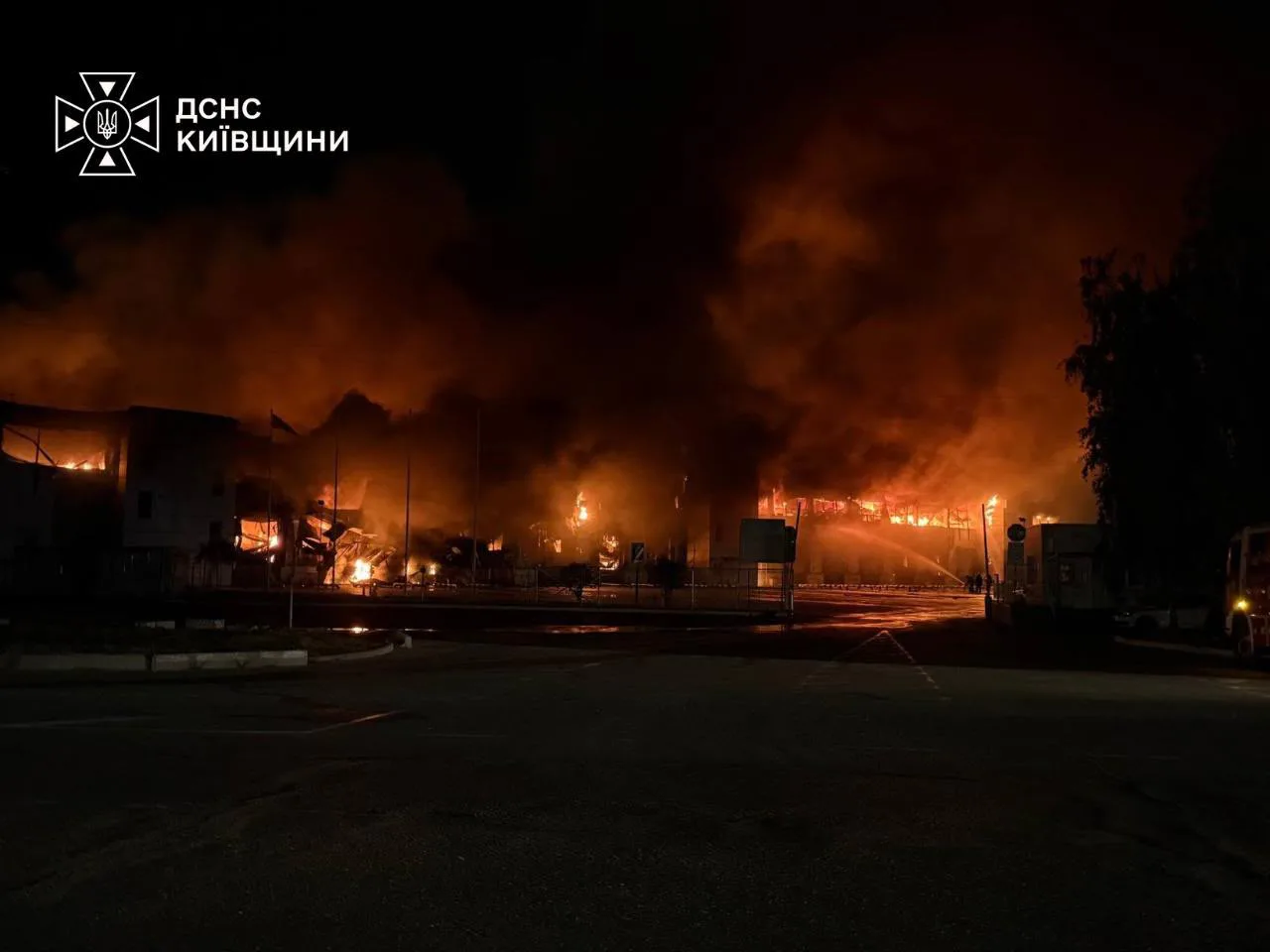
Russian forces on Wednesday, September 2, destroyed a warehouse containing products from Unilever, a company that manufactures everyday goods, including personal hygiene products, household chemicals, and food products. The company announced this on Saturday.
"Unfortunately, on September 2, an enemy drone struck the warehouse facilities of our logistics partner, resulting in the destruction of the warehouse and Unilever brand products. Our company continues its operations and is working to restore product supplies," the company stated.
There were no casualties or injuries as a result of this strike.
What was damaged
This concerns a warehouse belonging to the company's logistics partner – this is where the finished products were stored, not production facilities. This means a disruption in supplying finished goods to retail networks, rather than a halt to production itself.
Unilever Ukraine has been present on the Ukrainian market since 1993. Its brand portfolio includes personal care products such as Dove, Rexona, Axe, Clear and TRESemmé, household products Domestos and Cif, and others.
Experience in recovery after 2022
The company's largest production facility is a tea factory in Hostomel, built over nine months and launched in 2016. Production was destroyed as a result of Russian shelling at the beginning of the full-scale invasion, but the company resumed operations within a month.
In 2024, Unilever completed the sale of its business in Russia and Belarus, focusing on developing its operations in Ukraine.
Part of a wider picture
The strike on Unilever's warehouse is not an isolated incident, but part of a series of attacks on business logistics infrastructure in recent days:
- On September 3, as a result of a Russian strike, Ukraine's largest pharmaceutical warehouse completely ceased operations.
- In the night of September 1-2, the warehouse of the OKWINE alcohol retail network and the Wine Hunters distributor were destroyed.
If attacks on civilian business warehouse facilities continue at the same frequency, companies will have to redistribute their logistics through smaller and dispersed facilities – this will increase delivery costs but reduce the risk of losing large consignments of goods in a single strike.