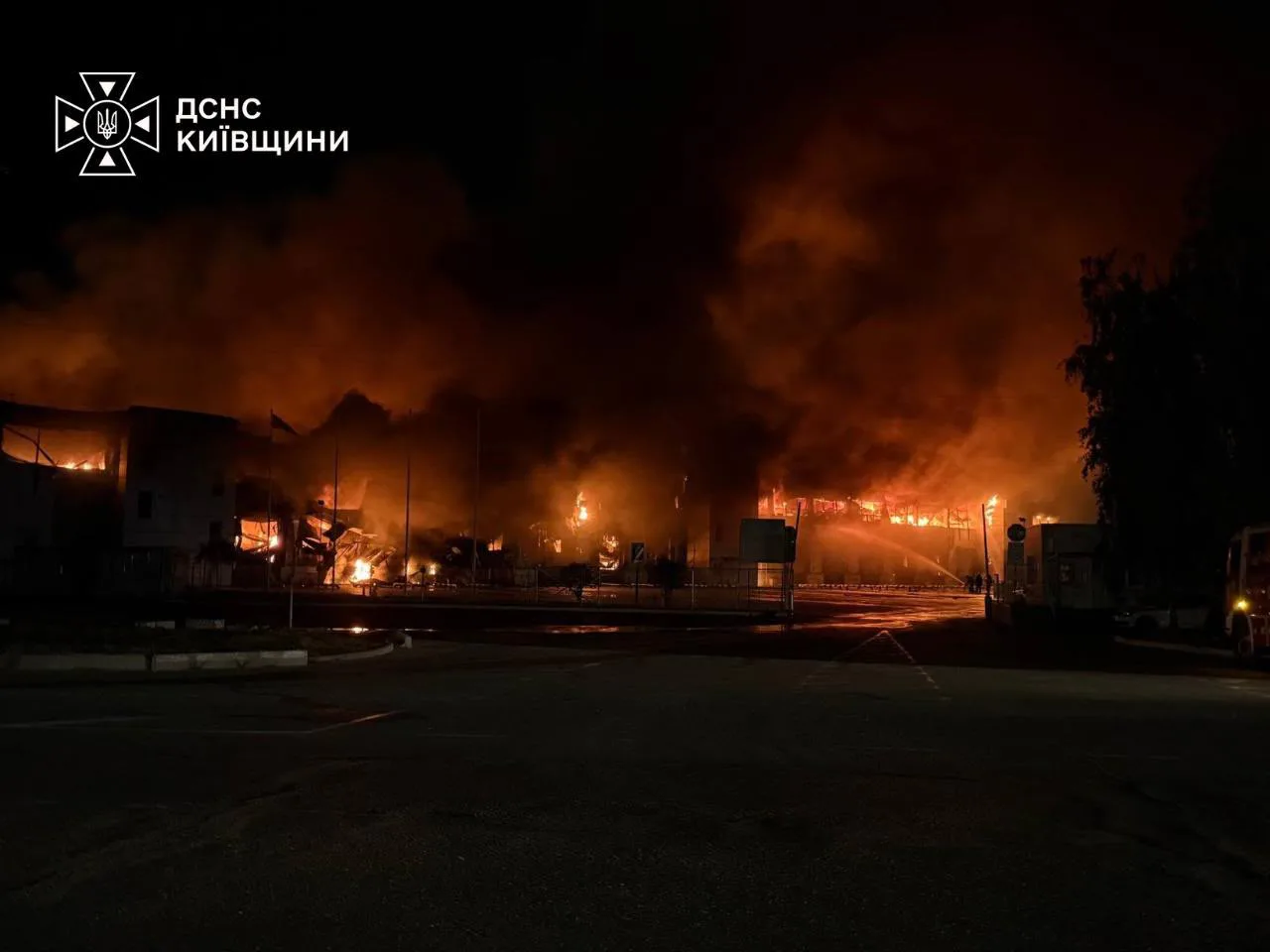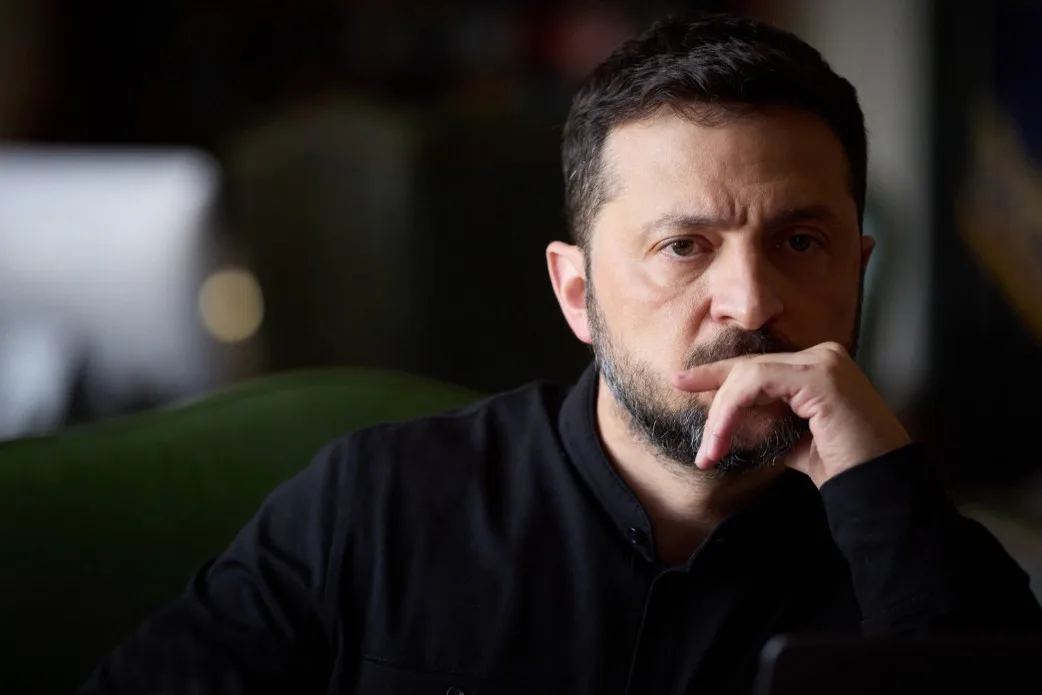
After Russian strikes on Kyiv and Boryspil airports amid discussions of a visit by US representatives to Ukraine, President Volodymyr Zelensky announced an adjustment to operations regarding Russian airspace for the coming week. The head of state emphasized: there are no threats to diplomacy from the Ukrainian side and there will not be.
Russian-Iranian "Shaheds" in response to American diplomacy. We have recorded this Russian move and will accordingly adjust our operation regarding Russian airspace next week, which has become dangerous due to the presence of drones and missiles in the sky. Of course, there are no threats to diplomacy from our side and there will not be.
What happened before
On September 4, Zelensky proposed an air truce ahead of expected visits by envoys of US President Donald Trump — Steve Witkoff and Jared Kushner — to Moscow on September 5 and to Kyiv on September 6.
However, Russia continued strikes on Ukraine during the night of September 5, including with ballistic missiles and attack drones.
The Armed Forces of Ukraine, as reported by the government Center for Strategic Communications, noted that a ceasefire cannot be unilateral or asymmetrical, and the objectives of the defensive operation are currently being carried out in full.
What this means
The phrasing "adjustment of operations" leaves room for maneuver: it does not clarify whether this is about intensifying strikes on facilities from which "Shaheds" and missiles are launched, or about changing approaches to air defense. At the same time, the public emphasis on "no threats to diplomacy" is a signal to Washington: Kyiv wants to show that a military response to Russian strikes will not derail the planned contacts of Trump's envoys.
The question for next week is whether the announced adjustment will be significant enough for Russia to influence its calculations ahead of further diplomatic steps, or will it remain a rhetorical gesture amid the continuation of strikes from both sides.