Strike on Novodnistrovsk and Moldova's rapid response
On 15 March the Cabinet of Ministers of Moldova introduced a 15-day state of environmental alert in the Dniester basin — a response to a wave of oil-product pollution moving downstream after a Russian strike on the hydroelectric complex in Novodnistrovsk (Ukraine). The incident has not only environmental but also geopolitical consequences: the contamination of one neighbour's water resource became a direct result of another's military actions.
What is known — the facts
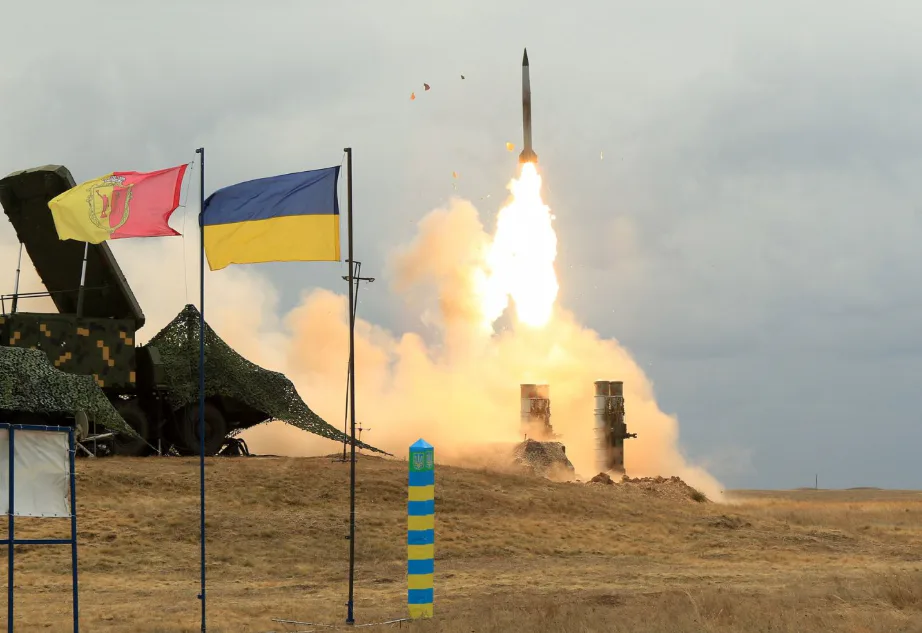
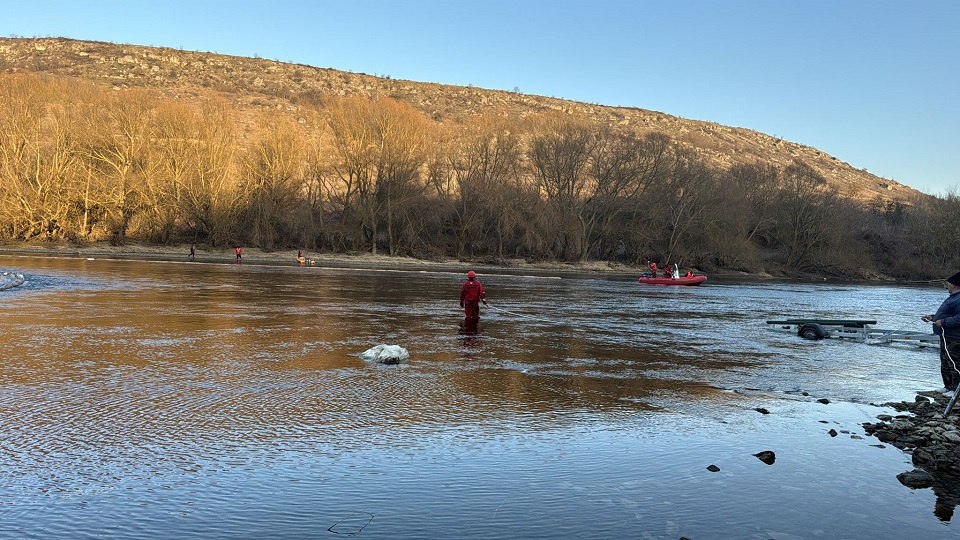
The first footage of oily slicks on the Dniester appeared on social media on 10 March from the area of the village of Naslavcha. According to preliminary information, the leak is associated with a fire or the destruction of equipment at the hydroelectric complex during the 7 March attack. Moldova's Minister of Environment said the volume of petroleum products far exceeds the initial estimate of 1.5 tonnes, and contaminants exceed permissible levels in certain parts of the country's north.
"Introducing a state of environmental alert will allow us to more quickly mobilize additional resources and strengthen the actions of state institutions to limit the environmental impact and prevent any risks to public health."
— Prime Minister of Moldova
Protective dams have been installed near the water intake station in Vadul-lui-Vodă; currently, according to the minister, there are no safety risks for water consumers in Chișinău, but the authorities are keeping the situation under control and are ready to advise residents on emergency measures if conditions worsen.
Who bears responsibility — official positions
The Minister of Environment directly links the pollution to Russian aggression against Ukraine. Moldova's president also published a statement on social media, naming the cause of the attack and placing responsibility on Russia. The foreign minister reported support from the EU and Romania for addressing the aftermath.
"Even now the pollutant continues to enter the Dniester... The sole culprit of the pollution is the Russian Federation."
— Gheorghe Hazder, Minister of Environment of Moldova
"Russia's attack on the hydroelectric plant in Novodnistrovsk led to a leak of oil products into the Dniester River, jeopardizing Moldova's water supply... Russia bears full responsibility."
— Maia Sandu, President of Moldova (post on X)
International support and practical steps
Moldova is already receiving assistance from the European Union and Romania to clean the river and secure water supplies. This is a classic example of environmental harm crossing borders — and its resolution requires coordination at the state level and among international agencies.
Why this matters for Ukraine and the region
The Dniester is a shared water resource for Ukraine and Moldova. A strike on infrastructure in Ukraine caused direct environmental consequences in the neighbouring state, underscoring that infrastructure security during war is also environmental and humanitarian security for the region. Water-resource experts warn of potential long-term impacts on wildlife and fisheries if the pollution is not neutralized quickly.
Conclusion
This situation combines a military act and an environmental threat. What is needed next are not only statements of responsibility, but resources for cleanup, monitoring, and restoration. A question to partners: will we have enough coordinated solutions and funding to turn the crisis into a controlled operational case rather than a prolonged environmental problem?